Europe is putting money behind artistic freedom. The European Alliance of Academies just launched Re:Create Europe, a four-year initiative backed by 1.76 million euros ($2.04 million), designed to protect artists and cultural spaces from the pressures mounting across the continent—war, political control, economic squeeze, shrinking room to create.
The program will support 10 art spaces through residencies, mobility grants, digital mapping, and conferences. Madrid's Círculo de Bellas Artes will receive approximately 320,000 euros, a rescue that matters more than the number suggests: it replaces a funding cut from the city's regional government that many suspected was politically motivated. When a government defunds culture, it's rarely accidental.
When Hope and Dread Live in the Same Room
Meanwhile, Iranian artists living abroad are navigating something harder to name than either hope or fear. They're living both at once.
We're a new kind of news feed.
Regular news is designed to drain you. We're a non-profit built to restore you. Every story we publish is scored for impact, progress, and hope.
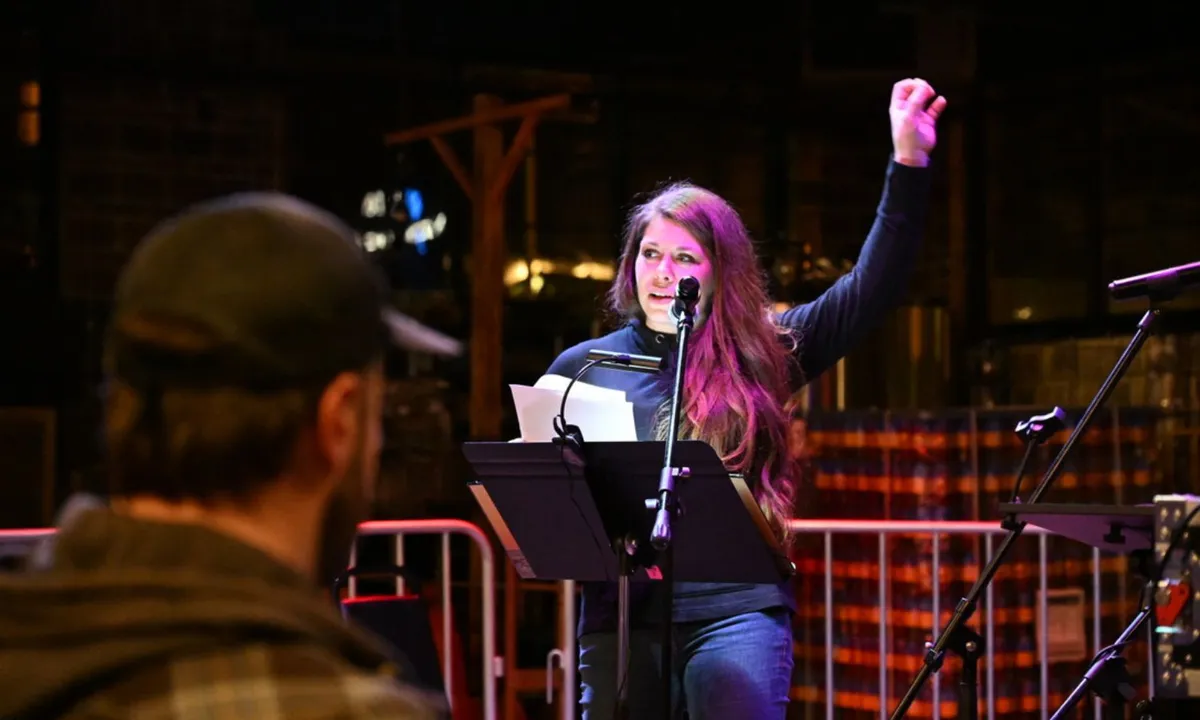
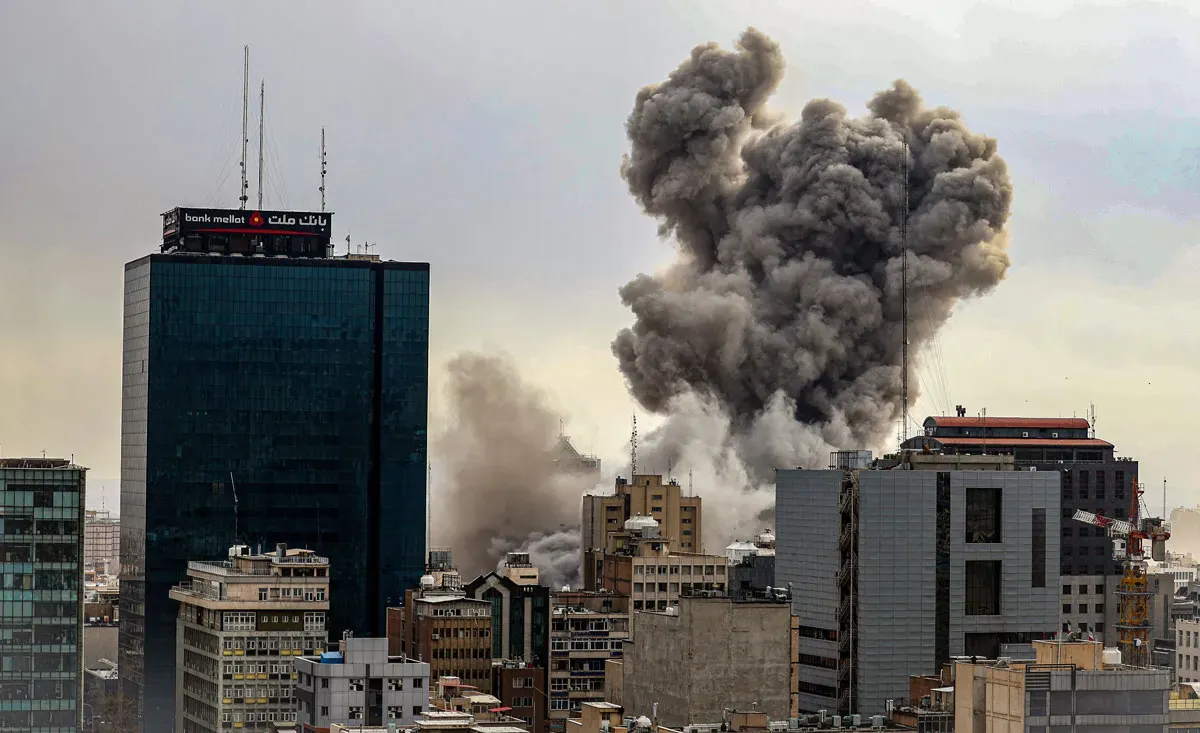
Start Your News DetoxExperimental musician Sara Bigdeli, based in Paris, put it plainly: "Being Iranian at such a time means living in permanent contradiction. There is a real fear for human lives, and at the same time a form of almost guilty hope." Other visual artists, performers, and gallerists describe the same fracture—jubilation at the possibility of regime change tangled with dread over the civilian death toll from ongoing strikes. Many believe this crisis could finally break decades of repression that has defined life under the Iranian government. That belief doesn't erase the cost of getting there.
The Smaller Shifts
The US Supreme Court declined to hear a case that would have granted copyright protection for art created by artificial intelligence, ending years of effort by computer scientist Stephen Thaler to secure federal copyright for works produced by his AI system. The ruling leaves the question of who owns AI-generated art unresolved—a gap that will likely widen as the technology advances.
Nicholas R. Bell, CEO of Calgary's Glenbow Museum, will lead Canada's Royal Ontario Museum, the country's most visited. Bell has overseen a major renovation at the Glenbow set to finish in 2027, bringing institutional experience at a moment when museums are rethinking how they operate.
Artists preparing for TEFAF Maastricht are facing new regulatory weight. The EU's 2019/880 legislation tightens rules on looted and stolen antiquities—a necessary safeguard that dealers acknowledge in principle, though many say the compliance burden has become disproportionate. The tension between protection and practicality is real.
Baku-based artist Faig Ahmed, known for surrealist weaving, will represent Azerbaijan at the 2026 Venice Biennale, curated by Gwendolyn Collaço.
When Private Money Rewrites the Rules
San Francisco's public art landscape is being quietly reshaped by tech money and a familiar aesthetic. Big Art Loop, funded by tech entrepreneur Sid Sijbrandij's foundation, is installing up to 100 large-scale artworks across the city—most originally designed for Burning Man. The project bypasses the traditional vetting processes that usually govern San Francisco's public art, giving the Sijbrandij Foundation outsized curatorial power.
Eighteen installations are already up. They share a recognizable sensibility: spectacle, scale, arresting visual moments that make you pause before moving on. It's the Burner ethos translated to city streets. What's worth noticing here isn't that private money is funding public art—that's happened before. It's that one foundation's aesthetic preference can now shape what millions of people see in their everyday landscape, without the democratic friction that public art processes typically involve. Art funded this way reflects one vision of beauty, one set of values. That's not inherently wrong. It just matters who decides.