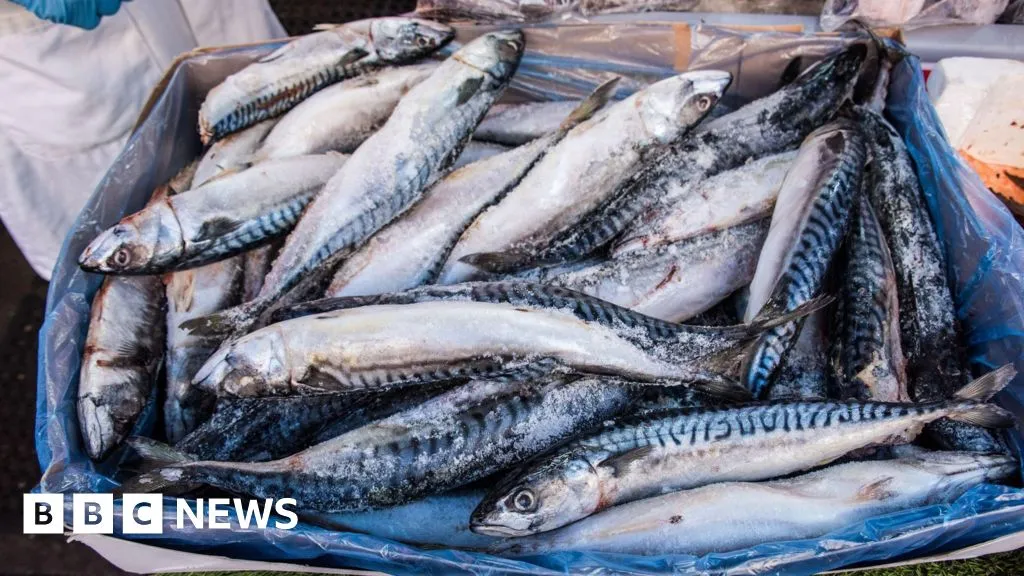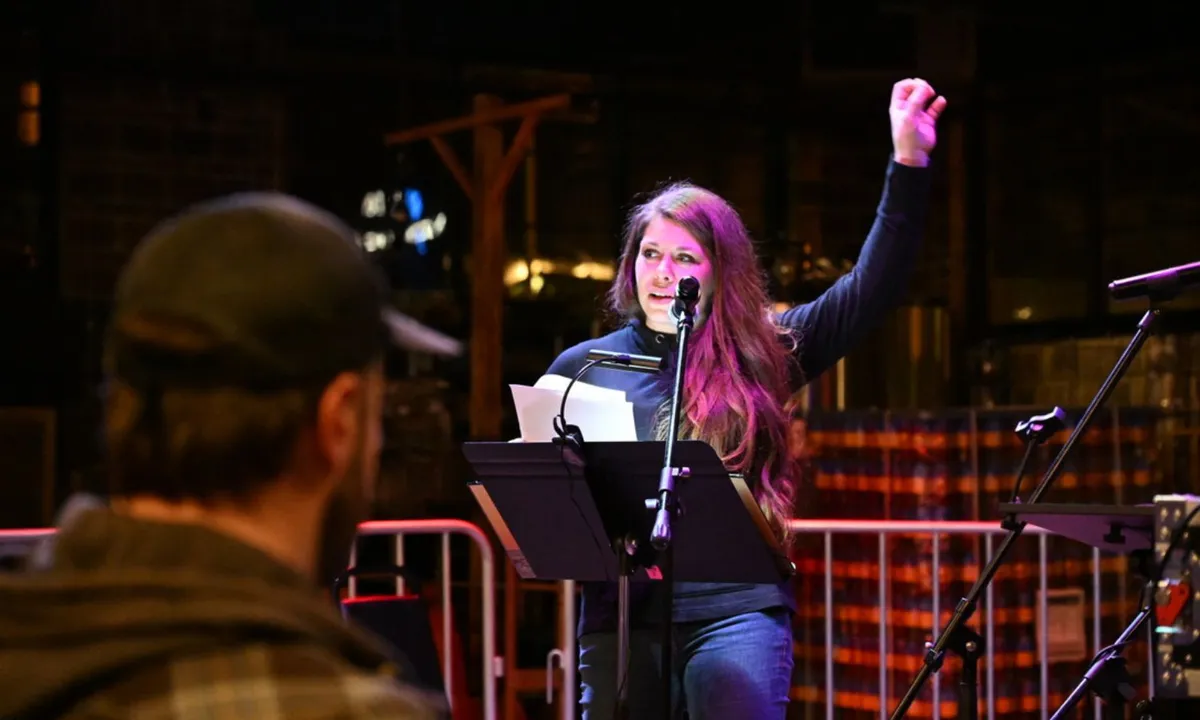
Every February, Astoria, Oregon fills with fishers, tourists, and artists gathering in breweries and playhouses to hear stories about making a living on the water. This year marks the 29th annual FisherPoets Gathering—a festival where commercial fishers share poetry, essays, and songs about life in an industry that's fundamentally shifting beneath them.
Jon Broderick, a salmon fisherman and schoolteacher, started the gathering nearly three decades ago with no grand mission. He just wanted to reconnect with fishing friends and celebrate their work through poetry. "We never met with the goal of maintaining or continuing culture, but just to continue to enjoy our own," he says. The first gathering in 1998 drew 39 people to a bar called the Wet Dog. Now it sprawls across town, drawing environmental advocates, heritage craftspeople, and policy experts alongside the poets.
When Art Opens Doors Policy Can't
Amanda J. Gladics, who works with Oregon Sea Grant to help organize the festival, has noticed something powerful happening in the room. When fishers turn their lived experience into poetry—weaving in environmental change, family legacy, economic pressure—something shifts. "These topics become relatable in a different way," she explains. "They're filtered through individual artistic expression rather than the analytical arguments we might hear in the news."
We're a new kind of news feed.
Regular news is designed to drain you. We're a non-profit built to restore you. Every story we publish is scored for impact, progress, and hope.
Start Your News DetoxThat's the real strength of the gathering. You don't need to be a professional poet. "You just have to have lived a life and tell your truth about it," Broderick says. "It's got to be authentic."
The numbers behind the gathering are sobering. The Alaska Department of Labor reports that seafood harvesting jobs fell for the fifth consecutive year in 2024, reaching their lowest level since tracking began in 2001. The U.S. lost more than 38,000 fishing and related jobs between 2022 and 2023, with wholesale revenue down $1.8 billion. The pain ripples across Washington, Oregon, and California.
Yet Gladics sees something emerging in the wreckage: a younger generation in their 20s, 30s, and 40s redefining what it means to be a fisher. They're not corporate employees—most are owner-operators or work directly for them. They're choosing this work despite the odds. The gathering becomes a space where that choice, that commitment, gets witnessed and honored.
"If we can each be open to really hearing another person's experiences—sometimes vastly different from our own," Gladics reflects, "it allows for empathy and connection, and hopefully a window into valuing the bounty of the ocean and the people who bring it to us in a new way."
That's what happens when you let fishers speak for themselves instead of letting headlines speak for them.