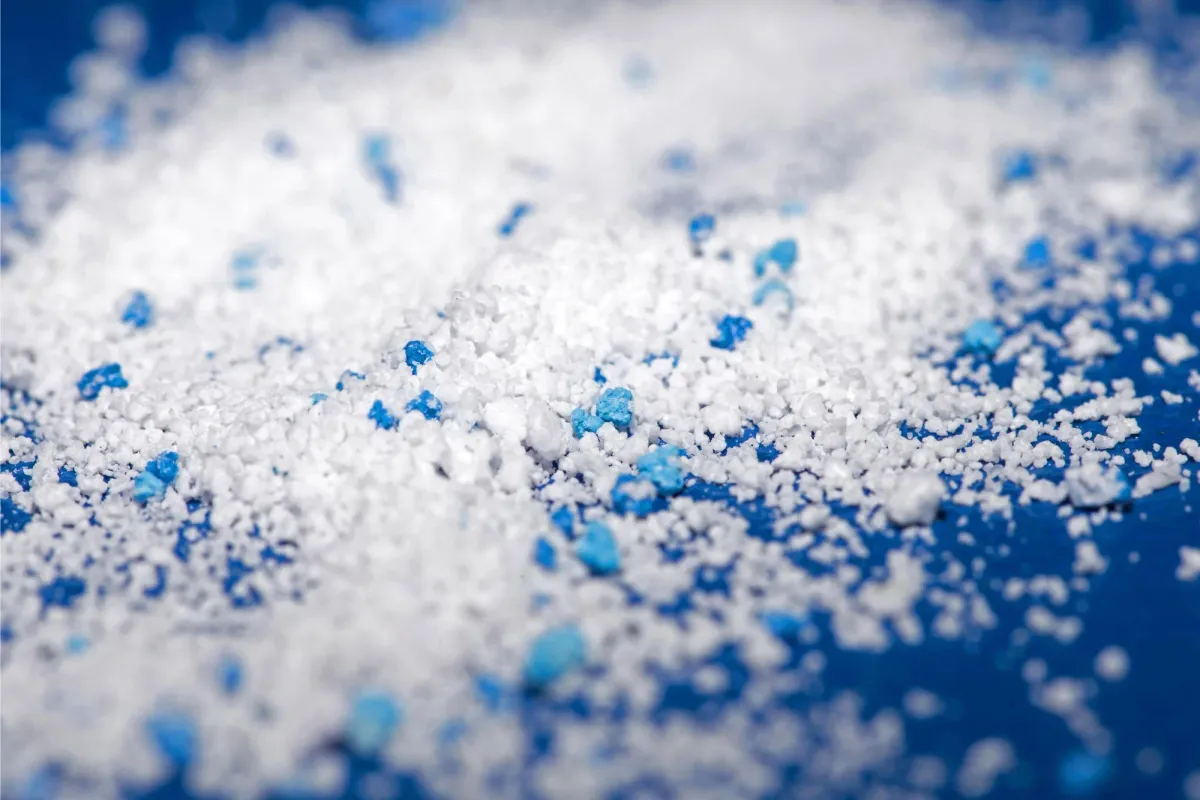
Antarctica's lone native insect—a grain-of-rice-sized midge that survives temperatures most life cannot—is already ingesting microplastics. The discovery doesn't mean the continent is drowning in pollution yet. It means something quieter and more unsettling: even Earth's most remote corner isn't sealed off from what we've released into the world.
The midge that shouldn't struggle
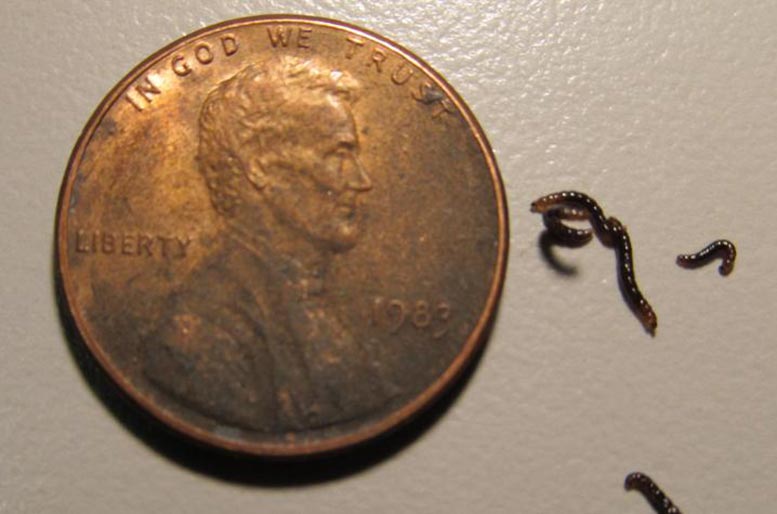
Belgica antarctica lives in damp moss patches along the Antarctic Peninsula, where it feeds on decaying plant material and helps cycle nutrients back into the soil. At densities of nearly 40,000 individuals per square meter, these midges are poly-extremophiles—organisms engineered by evolution to handle intense cold, drying, high salt, temperature swings, and UV radiation that would kill almost anything else.
When Jack Devlin's team tested the larvae in the lab, exposing them to varying microplastic concentrations, the insects did something surprising: they survived. Their basic metabolism didn't change. On the surface, they seemed fine.
We're a new kind of news feed.
Regular news is designed to drain you. We're a non-profit built to restore you. Every story we publish is scored for impact, progress, and hope.
Start Your News DetoxBut when the researchers looked closer, they found a subtle cost. The larvae exposed to higher microplastic levels had reduced fat stores, even though their carbohydrate and protein remained stable. It's a trade-off—energy redirected away from energy reserves, a small biological compromise that might not matter over 10 days in a lab, but could compound over seasons in the wild.
The question that drove the research
Devlin started with a simple thought: surely Antarctica is one of the last places untouched by microplastics. So he went there to find out. During a 2023 research cruise along the western Antarctic Peninsula, the team collected larvae from 20 sites across 13 islands. Of 40 specimens examined, only two contained microplastic fragments.
It's a low number—and that's the good news. "Antarctica still has much lower plastic levels than most of the planet," Devlin said. The bad news is the direction of travel. The plastic is there. It's getting in. And at high enough concentrations, it's changing how these insects allocate their energy.
The experiment lasted only 10 days due to the logistical reality of working in Antarctica. Devlin suspects the real-world impact might be different: the midges feed more slowly in cold conditions, and the complex soil they inhabit may naturally filter out some particles. But longer-term studies will be needed to understand what chronic exposure actually means for populations that have survived for millions of years.
What this reveals about the world
The finding isn't dramatic in the way we expect environmental stories to be. No mass die-offs, no visible catastrophe. Instead, it's a quiet signal: human pollution has reached the ends of the Earth. A continent with no trees, barely any plants, where one insect species exists in splendid isolation—and even there, we've left a mark.
For Devlin, that's the real story. "You work with this incredible little insect that lives where there are no trees, barely any plants, and you still find plastic in its gut. That really brings home how widespread the problem is."
The next phase will track how microplastic levels in Antarctic soils change over time, and test whether longer-term exposure—combined with other stresses—affects the midge and other soil organisms. Antarctica's simplicity as an ecosystem makes it useful for asking focused questions. If we listen to what it's telling us now, Devlin suggests, we might learn lessons that matter far beyond the polar regions.