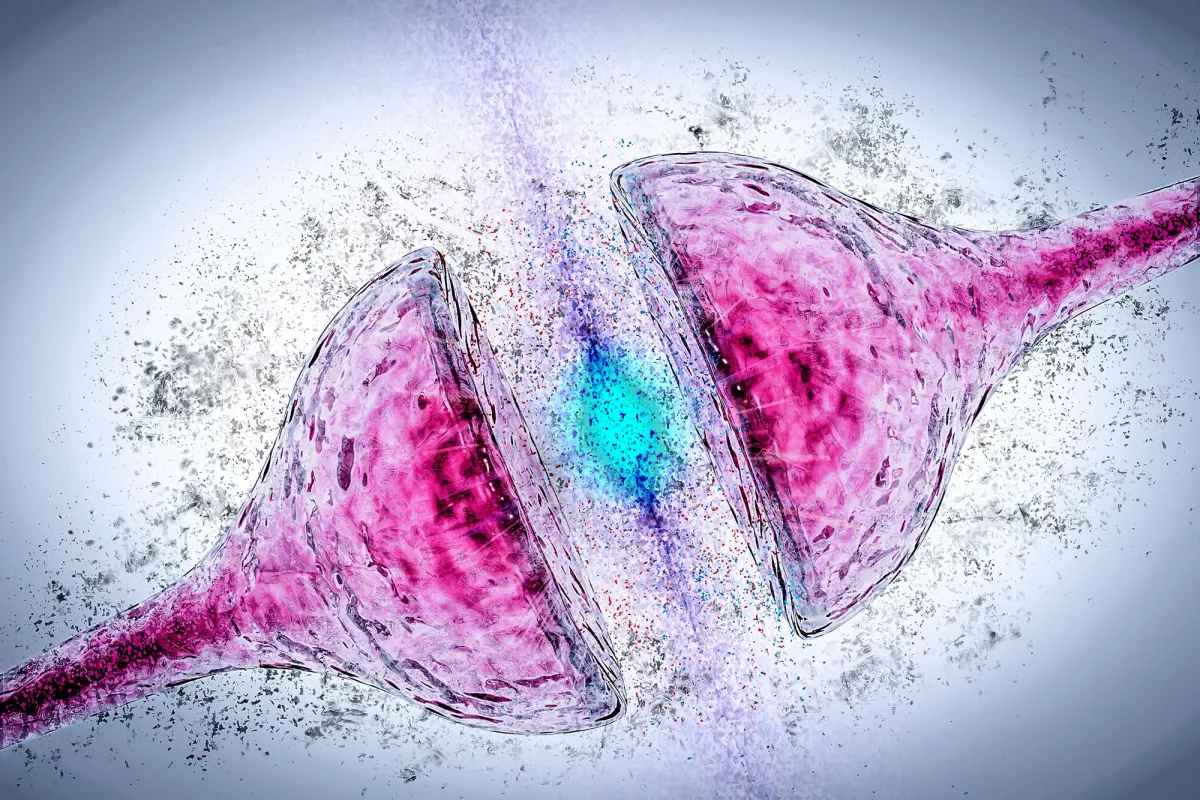
Scientists have grown brain organoids in the lab that develop neural structures remarkably similar to those of a kindergartener's brain. These pea-sized clusters of human brain cells, built from stem cells, contain up to two million neurons packed into tissue smaller than a pea. The breakthrough raises an urgent question: as this technology becomes more sophisticated, what ethical lines need to be drawn?
Brain organoids started as scientific curiosities roughly a decade ago—flat layers of neurons in a dish that gave researchers a basic 3D model to work with. But the field has matured rapidly. Researchers can now grow organoids with layered structures and blood vessels that mimic the cortex, the part of the brain responsible for reasoning and working memory. Even more striking: organoids can be made from a person's own skin cells, faithfully reproducing the genetic mutations that lead to conditions like autism. This means researchers can study neurodevelopmental disorders in ways that weren't possible before.
Harvard researcher Paula Arlotta's team has kept organoids alive for seven years—an astonishing feat. As they tracked these organoids over five years, something remarkable happened. The tissue's neurons matured in shape, function, and connections in ways that closely matched the developing brain of a kindergartener. The progenitor cells (young cells that can become different types of brain cells) took their time deciding what to become, just as they do in a young human brain. Over time, this process accelerated, mirroring normal brain development.
We're a new kind of news feed.
Regular news is designed to drain you. We're a non-profit built to restore you. Every story we publish is scored for impact, progress, and hope.
Start Your News DetoxThe Ethics Problem
The more capable these organoids become, the harder the questions get. Earlier this year, Stanford researcher Sergiu Pasca's team linked four organoids into a neural "pain pathway"—combining sensory neurons, spinal tissue, and cortex organoids to model how the brain processes pain. When they applied capsaicin (the chemical that makes chili peppers hot) to the sensory side, waves of synchronized neural activity rippled through the tissue, suggesting it had detected the stimulus and processed it.
That's where the ethical complexity deepens. If organoids can detect and respond to stimuli, could they experience pain? As researchers explore implanting human brain tissue into animals (experiments show it integrates with host brains), or even into humans, the line between human and non-human begins to blur. There's no clear framework yet for what's permissible.
In November, Arlotta, Pasca, and other leading researchers gathered with ethicists and patient advocates at a conference organized by Stanford bioethics specialist Henry Greely. The meeting wasn't designed to produce universal guidelines—the field is moving too fast for that. Instead, it signaled something equally important: the scientific community recognizing that discovery and ethics must advance together.
"A continuing international process is needed to monitor and advise this rapidly progressing field," Arlotta and colleagues wrote. There are no universal agreements yet, but the conversation has begun. What happens next will likely shape not just how this research proceeds, but how we think about the boundary between tissue engineering and something closer to creating conscious entities.