The Gulf of Maine is warming faster than almost anywhere else on Earth. That's a genuine problem for the region's lobster fisheries and coastal communities bracing for flooding. But something unexpected is happening in the water: oysters are coming back.
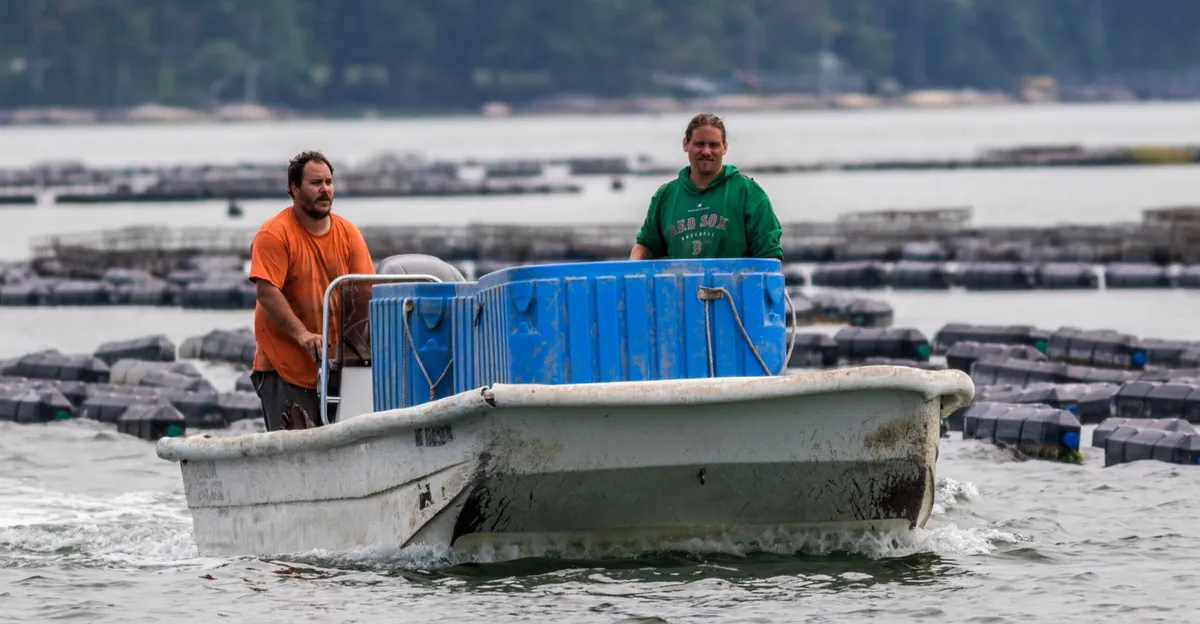
When Maine's first oyster farms took root in the Damariscotta River in the 1980s, they were an experiment in adaptation. Over the past 15 years, the industry has quietly grown. And then farmers noticed something they didn't plan for. Wild oysters—species that had vanished from these waters—started reappearing on their own.
"When we think about the emergence of wild oysters, it's bringing back a part of the ecosystem that has been a part of who we are as people in this place, part of Indigenous people's connections to this place," says Heather Leslie, a marine conservation scientist. "It foregrounds the question of not just restoring the non-human parts of the ecosystem, but also enabling the Native people to reconnect with coastal ecosystems."
We're a new kind of news feed.
Regular news is designed to drain you. We're a non-profit built to restore you. Every story we publish is scored for impact, progress, and hope.
Start Your News DetoxThe ecological payoff is real. Oysters filter water and sequester carbon—each adult oyster can clean up to 50 gallons of seawater a day. But the return also matters economically. Oyster farming has created new income streams along Maine's working waterfront at a moment when traditional fisheries face pressure from warming temperatures.
This pattern—where one adaptation creates space for something else to flourish—is playing out across conservation work globally. Take the "frog saunas" that biologist Anthony Waddle developed during the pandemic. Stacks of bricks beneath mini greenhouses that gently raise endangered frogs' body temperature, protecting them from a deadly chytrid fungus. It worked. Now Waddle's team is moving toward vaccine programs and gene-replacement strategies to save hundreds of amphibian species threatened by the same fungus.
Over 40% of all amphibian species face extinction, according to herpetologist Dr Jodi Rowley. "We need these really innovative and cutting-edge strategies to help turn things around," she says. The stakes are higher than they might seem. Frogs and other amphibians control insect populations that carry human diseases. Their skin is also a potential source for new painkillers—ones that might be less addictive than opiates and could help address antibiotic resistance.
What's emerging across these efforts is a pattern: when we create conditions for one species to recover, we often unlock unexpected benefits for the broader ecosystem and the people who depend on it. The oysters in Maine's warming waters aren't a solution to climate change. But they're a reminder that adaptation and restoration aren't always either-or choices. Sometimes they're the same thing.