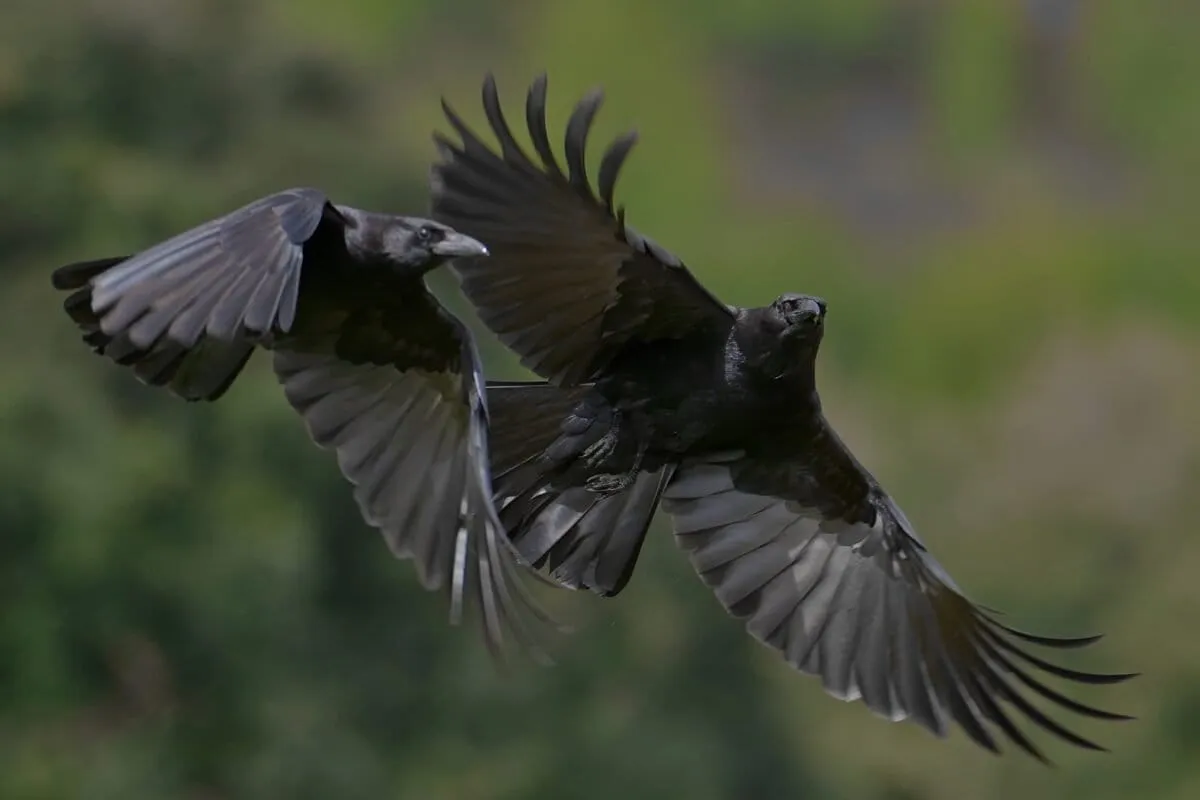
For decades, two scientists have been trying to figure out what carrion crows are gossiping about. Now, they've brought in the big guns: artificial intelligence. Because apparently, the crows have a lot to say.
Vittorio Baglione and Daniela Canestrari have been studying these incredibly social birds in northern Spain, focusing on their unique cooperative parenting style. Entire crow families band together to raise chicks and guard nests. Which, if you think about it, requires some pretty sophisticated chat.
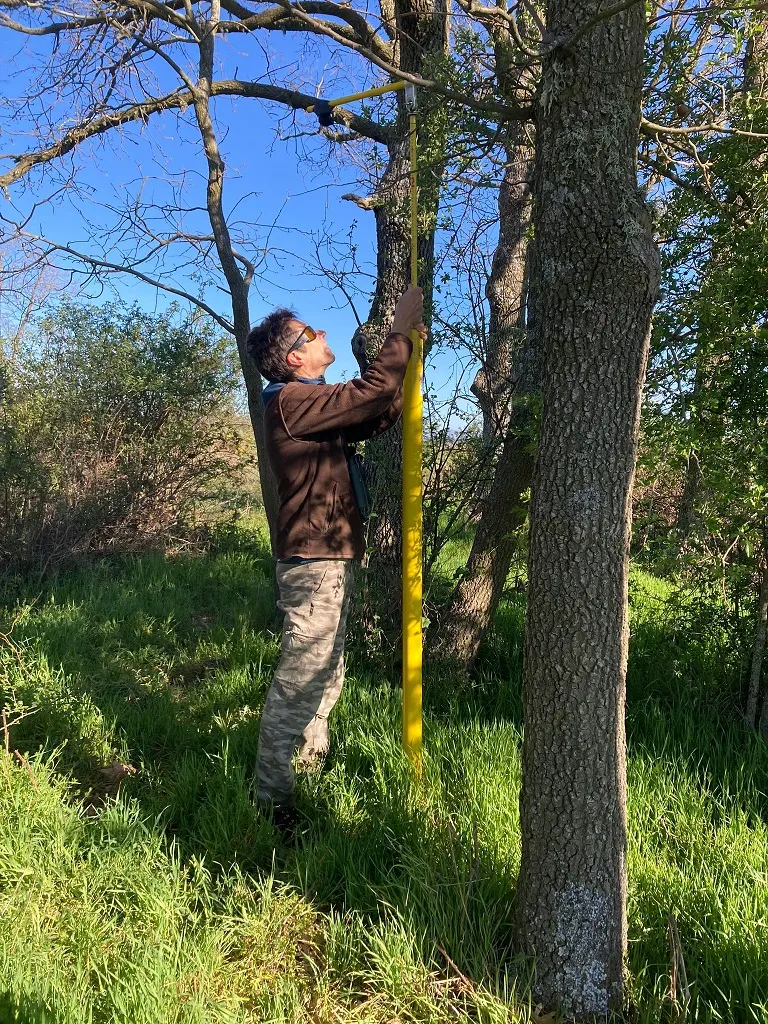
Baglione, a professor at the University of León, points out that crows have this intricate society and do highly coordinated things together. Researchers know why they do it, but the how — specifically, how they communicate and share information — has remained a mystery. Until now.
We're a new kind of news feed.
Regular news is designed to drain you. We're a non-profit built to restore you. Every story we publish is scored for impact, progress, and hope.
Start Your News DetoxThey set up audio recorders and trackers, collecting an absolute mountain of data. Canestrari explained that each microphone recorded for six to seven days straight. They quickly realized they had a data problem: too much of it for human analysis.
Enter the Earth Species Project (ESP), a U.S.-based nonprofit specializing in AI for decoding animal communication. Since 2024, ESP has been helping the scientists build AI models to categorize crow calls. It's like building a Rosetta Stone, but for caws.

This collaboration is helping them create a massive dataset of different call types, inching them closer to truly understanding what these birds are saying to each other. Soon, we might just know if that crow on the fence is warning about a cat, complaining about the neighbor's terrible taste in bird feeders, or just asking for a little help with the kids.