The International Olympic Committee is quietly confronting a problem that would have seemed unthinkable a decade ago: winter might not stay winter long enough to host the Winter Games.
The IOC is now considering moving future Winter Olympics to January and the Paralympics to February, a shift driven by rising temperatures that are making it harder to guarantee snow coverage later in the season. The proposal is part of the committee's "Fit For The Future" program, which is essentially the IOC's way of adapting to a world where hosting the Winter Games has become logistically more fragile.
The snow problem is real
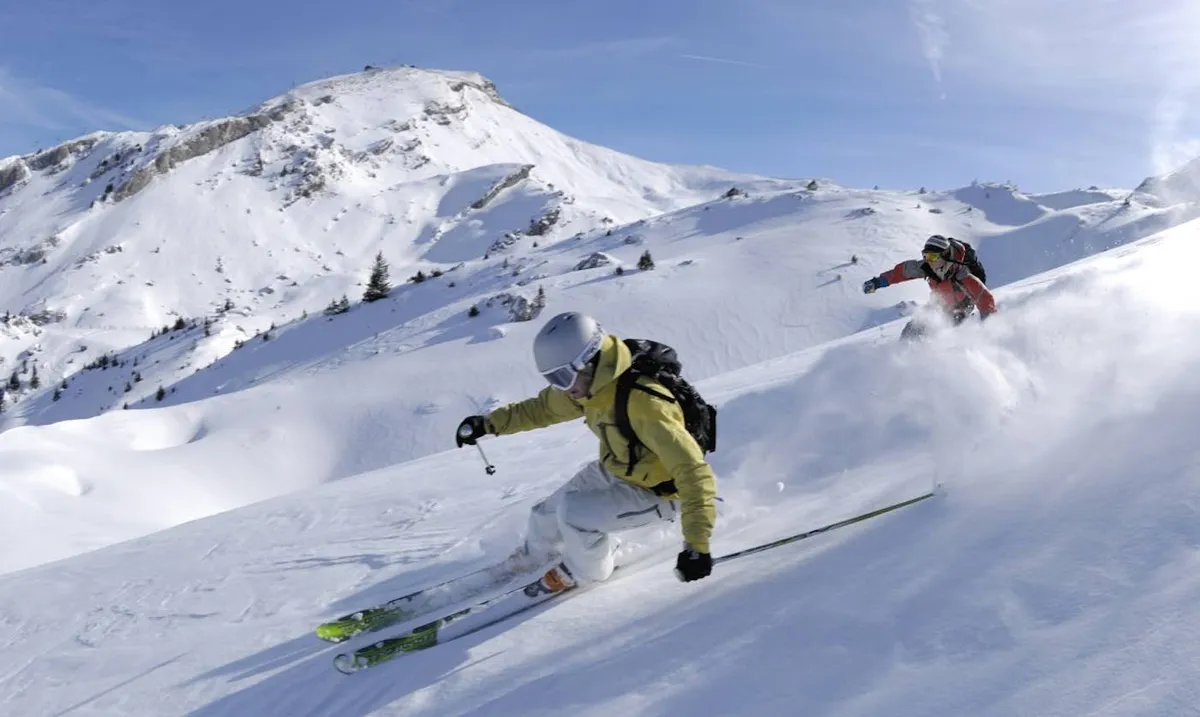
The issue crystallizes around a specific detail: the sun gets stronger as winter progresses. Karl Stoss, an IOC member overseeing the sports program review, pointed out that the Milan Cortina Paralympic Winter Games—currently scheduled for March 6-15—faces a real risk. "The sun is strong enough to melt the snow" by that point in the season, he noted. It's a blunt acknowledgment that the traditional late-winter timing no longer guarantees the conditions these athletes need.
We're a new kind of news feed.
Regular news is designed to drain you. We're a non-profit built to restore you. Every story we publish is scored for impact, progress, and hope.
Start Your News DetoxEvery Winter Games gold medal since 1964 has been awarded in February. That consistency is about to break. The shift would ripple outward: January Olympics would collide with NFL and NBA schedules, and it would disrupt the World Cup ski racing calendar that's been built around February timing. These aren't trivial scheduling conflicts—they affect broadcasters, sponsors, and athletes whose training calendars are locked in years in advance.
The IOC has known for years that climate change is reshaping which cities can even bid to host winter sports. Reliable snow is no longer guaranteed in many traditional winter sports regions. That's why the committee is exploring flexibility now, before it becomes a crisis.
The IOC will make final decisions on these changes—along with whether to add new sports to the 2030 French Alps Winter Games—when its 100-plus members meet in June. The French Alps Games are currently scheduled for February 1-17, while the 2034 Utah Winter Games are set for February 10-26. Both dates may shift.
What's happening here is adaptation under pressure. The Winter Olympics exist because winter exists. As that certainty erodes, the institution itself has to bend.