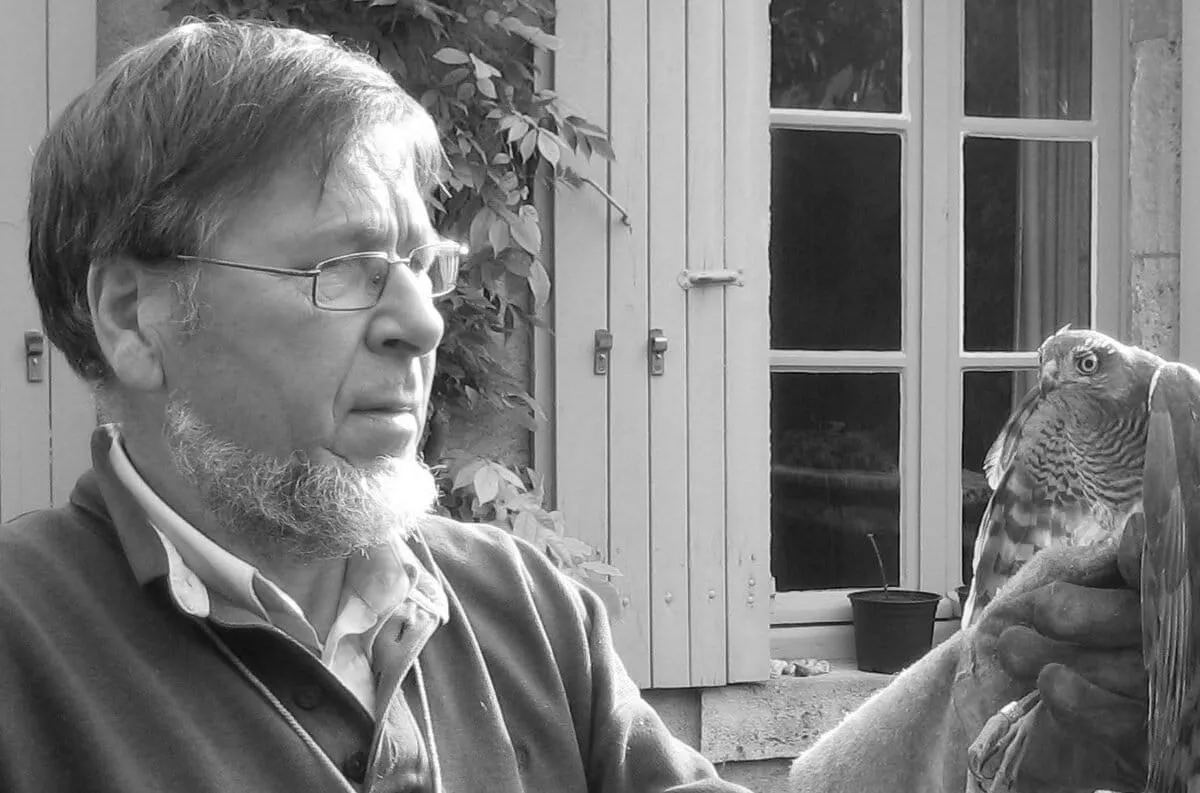
Gerard C. Boere spent his career chasing a simple but radical idea: that a bird doesn't care about borders, and neither should conservation.
Boere, a zoogeographer and paleontologist who died on January 6 at 83, was the architect of what became known as the "flyway approach" — the understanding that migratory waterbirds knit together wetlands from the Arctic to southern Africa into a single, interconnected system. Protect one marsh in Denmark, and you're protecting the future of birds that will spend their winter in Mali. Drain a wetland in Russia, and you're affecting populations thousands of miles away. It sounds obvious now. It wasn't, when Boere started.
He began with meticulous fieldwork on Arctic waders and the Wadden Sea — the kind of patient, ground-level science that builds credibility. But Boere had ambition beyond the research notebook. In the late 1980s and 1990s, he recognized that the newly adopted Convention on Migratory Species offered something unprecedented: a legal framework that could actually enforce this cross-border thinking. He spent years translating the flyway concept into policy language, working toward what would become the Agreement on the Conservation of African-Eurasian Migratory Waterbirds (AEWA).
We're a new kind of news feed.
Regular news is designed to drain you. We're a non-profit built to restore you. Every story we publish is scored for impact, progress, and hope.
Start Your News DetoxA framework that stuck
When AEWA was concluded in The Hague in 1995 and entered into force in 1999, it represented something rare in international conservation: a binding agreement that treated migration as a single, coherent problem rather than 50 separate national issues. Boere served as its first executive secretary from 1999 to 2008, shepherding the agreement through its most vulnerable years — the period when most international initiatives either find their footing or quietly fade.
What made his work remarkable wasn't the elegance of the idea. It was the persistence required to make it real. International cooperation doesn't happen because it's sensible. It happens because someone is willing to sit through years of meetings, to build relationships across governments that don't always trust each other, to keep showing up even when progress feels glacial. Boere did that work, and it held.
Today, AEWA covers 255 species of waterbirds across Europe, Asia, and Africa. It's become a template for how to think about species that don't respect the lines on maps. That template exists because one scientist decided that understanding a problem wasn't enough — it had to be fixed, internationally, legally, and permanently.
The birds still migrate. The wetlands still need protecting. And the framework Boere built is still there, quietly doing the work he spent his life imagining into existence.