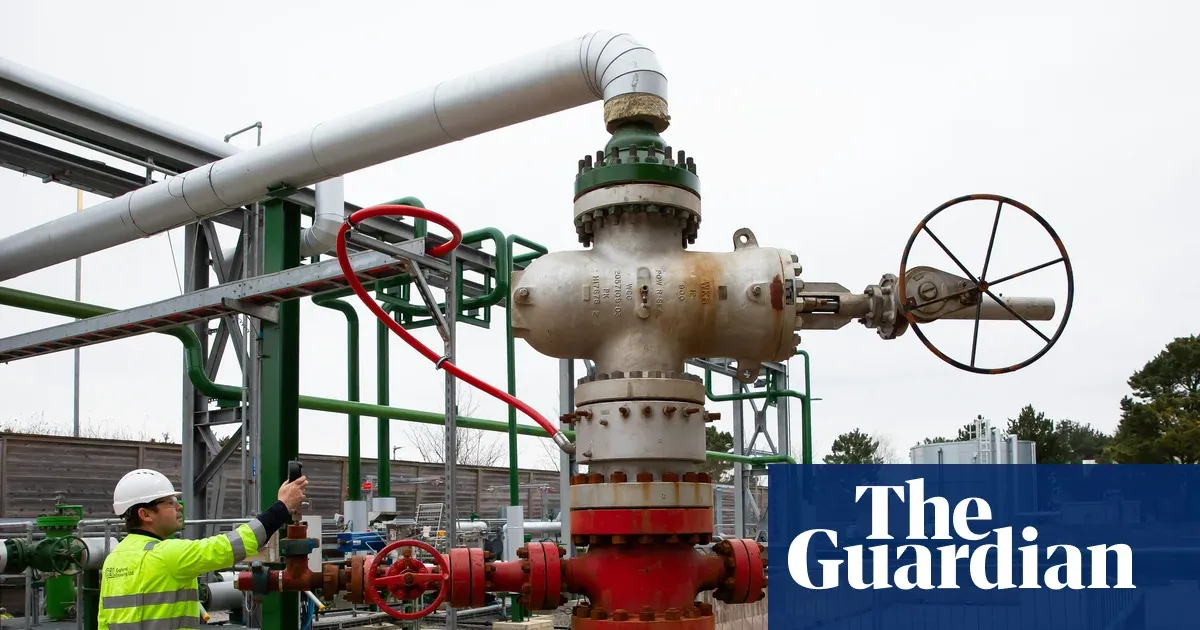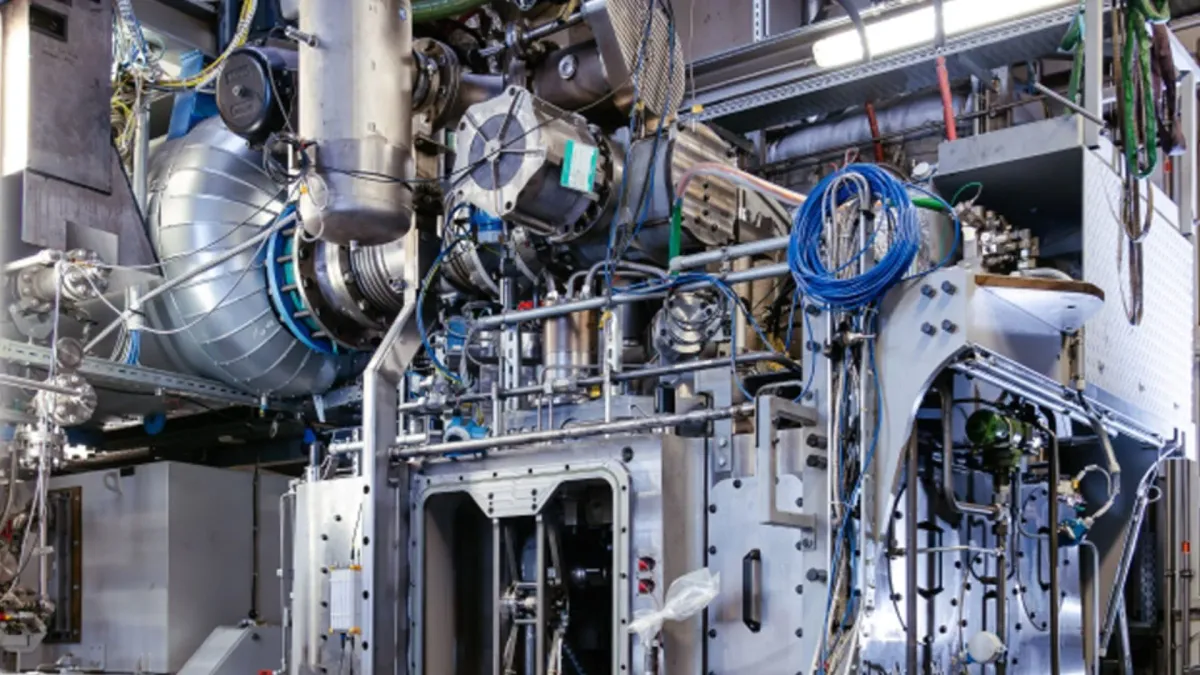
A single-cylinder marine engine running on pure hydrogen just completed its first successful trial in Augsburg, Germany. It's a quiet milestone that matters more than it might sound: ships account for roughly 3% of global carbon emissions, and finding a zero-carbon fuel that actually works at sea has been the missing puzzle piece.
Everllence, the German manufacturer behind the engine, spent years redesigning how combustion actually works inside a hydrogen-powered motor. The challenge wasn't just swapping out diesel for hydrogen — hydrogen burns differently, faster, hotter. The team had to rebuild the mechanical architecture from scratch: new combustion chambers, new fuel injection systems, new ways to manage the heat. What they achieved is an engine that doesn't just run on hydrogen; it delivers more power per cylinder than previous attempts.
This wasn't a garage experiment. The HydroPoLEn project brought together five partners: Everllence leading the charge, WTZ handling the testing, Munich's Technical University providing the modeling, Tenneco engineering the components, and Carnival Maritime — one of the world's largest cruise operators — making sure the design actually works for real ships. That last partner matters. A technology that works in a lab but can't be scaled to a 5,000-person cruise ship is just a curiosity.
We're a new kind of news feed.
Regular news is designed to drain you. We're a non-profit built to restore you. Every story we publish is scored for impact, progress, and hope.
Start Your News DetoxThe Hydrogen Question
Dr. Cornelius Wagner, who managed the project, was careful not to oversell. Yes, this proves hydrogen can power a marine engine. But the technology is still in early stages. Safety systems need more refinement. Components need to be tested across thousands of operating hours, not just days. The infrastructure to supply ships with hydrogen fuel barely exists yet.
Even the engineers behind this breakthrough don't think hydrogen will be the only answer. The maritime industry is also testing ammonia and methanol as marine fuels. Different ships, different routes, different operational needs — there probably isn't one perfect fuel. The point is to have options.
What's worth noting is the momentum. Last year, researchers at the Karlsruhe Institute of Technology set a new record for a hydrogen gas turbine, running it for 303 seconds and actually generating electricity from it — beating NASA's previous 250-second benchmark. Hydrogen technology is advancing across multiple fronts: power generation, industrial heat, now marine propulsion.
The Augsburg engine trial doesn't solve shipping's carbon problem tomorrow. But it does something more important: it shows that the problem has a technical solution. The next phase is the harder one — scaling it, building the supply chains, making it economical. That's where the real work begins.