Three miles beneath the Cornish granite, water sits at 190°C. For almost twenty years, Geothermal Engineering Ltd waited for the moment to tap it. This week, they did.
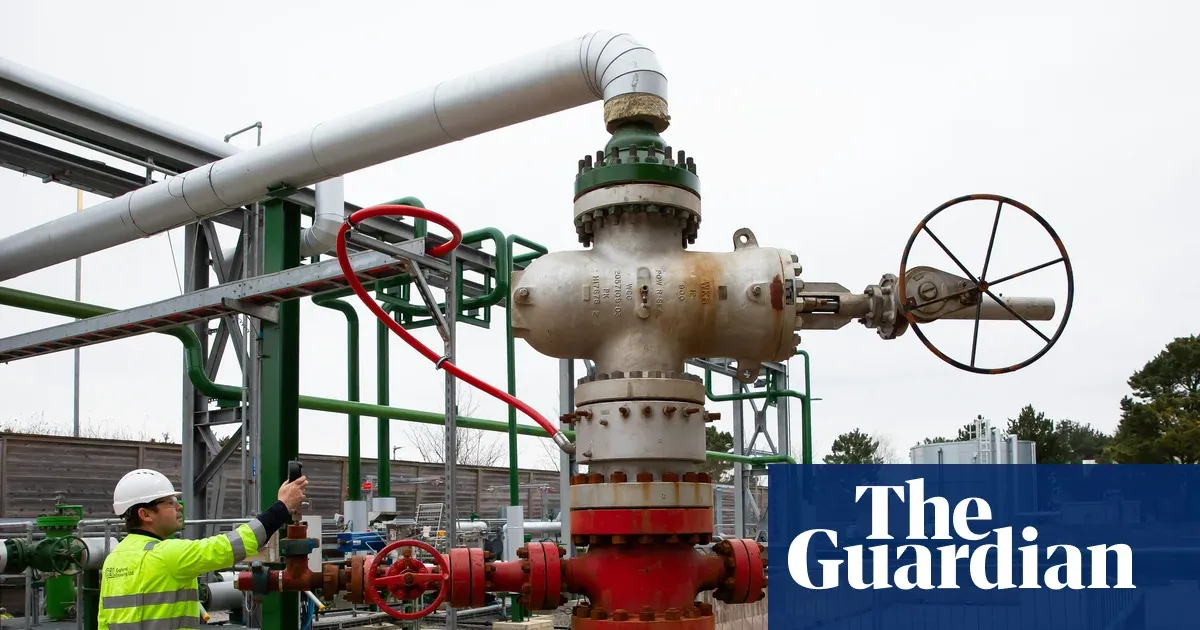
The plant near Redruth—built in the shadow of old tin and copper mining engine houses—is now pumping that superheated water to the surface. A turbine spins. Electricity flows to the National Grid. And in a twist that feels almost poetic for a region built on resource extraction, the cooled water yields something new: lithium, the mineral at the heart of every rechargeable battery.
It's the first geothermal power station in Britain. It will supply electricity to roughly 10,000 homes. But the real story isn't the engineering—it's what it means for a place that's been waiting for its moment.
We're a new kind of news feed.
Regular news is designed to drain you. We're a non-profit built to restore you. Every story we publish is scored for impact, progress, and hope.
Start Your News DetoxThe Heat Beneath
Ryan Law, CEO of GEL, describes the process with the ease of someone who's explained it a thousand times over two decades. Hot water comes up through a production well, drives a turbine, then cools to exactly 50°C—the ideal temperature for lithium extraction. Once the lithium is removed, the water gets re-injected deeper into the fault line, recharging the underground reservoir over time. The whole operation sits on just 1.5 acres. "The magic is happening beneath the surface," Law said.
The skeptics came first. Drilling more than three miles into hot rock faults isn't intuitive. It took conviction to convince politicians and investors that this made sense. But Law frames it plainly: "It's like someone has built this enormous nuclear power station underground. We are just tapping into the heat that's generated."
Within a decade, GEL says the plant will produce enough lithium carbonate to supply batteries for around 250,000 electric vehicles annually. More sites are planned across Cornwall.
What This Means for Cornwall
One area near the plant was once called "the richest square mile on Earth." That was during the tin and copper boom. The region has been waiting for that kind of economic momentum ever since.
The plant has created roughly 100 jobs so far—engineers, geologists, chemists—with a deliberate focus on local hiring and partnerships with regional colleges. Greg Foxwell, who sits on Gwennap parish council, noted the company has "gone out of its way to recruit some local people and do very good work with the local colleges and schools."
Perran Moon, the MP for Camborne and Redruth, put it plainly: "Mining isn't what we do, it's who we are." He won his seat for Labour in a previously Conservative stronghold. "We're one of the most deprived regions in northern Europe," he said. "Cornwall wants to play its part in the transition away from fossil fuels. There's real drive for playing our part and regenerating our communities in the process."
There were concerns about minor earthquakes from reservoir testing. So far, none have materialized.
Chancellor Rachel Reeves called it a "pioneering project." Frances Wall, a professor at the Camborne School of Mines, called it "really significant." The language matters because it signals something larger: this isn't a footnote in Britain's energy transition. It's a model—one that combines energy security, critical mineral supply, and economic revival in a single deep hole.
Cornwall's mineral wealth, dormant for decades, is suddenly relevant again. Not to the world of the past, but to the one being built right now.