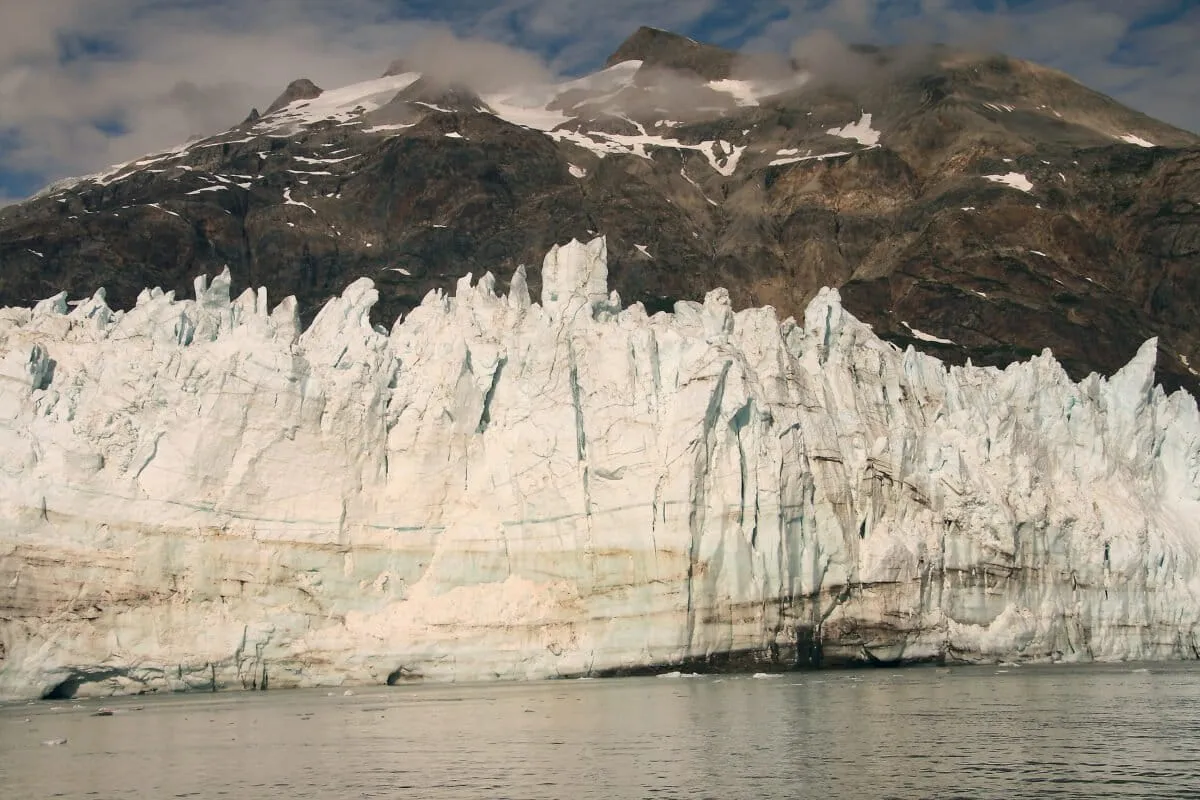
Nearly half the world's population depends on glacier meltwater for drinking water, farming, and power. That's not abstract infrastructure—it's the difference between having water in summer and watching wells run dry. Yet for decades, glaciers have been retreating faster than anyone predicted, losing more than 30 meters of average thickness since 1970 alone.
The physics is straightforward: rising temperatures melt ice faster while shortening the seasons when snow accumulates. In mountain regions across Asia, South America, and Europe, precipitation that once fell as snow now arrives as rain, leaving glaciers unable to rebuild what summer heat takes away. The World Glacier Monitoring Service has documented this acceleration—the last several years have each set new records for ice loss.

What's actually changing on the ground
But here's where the story shifts. Communities that depend on glacial water aren't waiting for global emissions to drop. In the Andes, farmers are building small-scale reservoirs to capture meltwater before it runs downhill, extending water availability through dry seasons. In the Hindu Kush, researchers are working with local water managers to map exactly when and where glacier melt peaks—information that lets irrigation systems work smarter, not just harder. In parts of the Alps, glacier-fed hydroelectric dams are being retrofitted to operate efficiently even as water volumes shrink.
We're a new kind of news feed.
Regular news is designed to drain you. We're a non-profit built to restore you. Every story we publish is scored for impact, progress, and hope.
Start Your News DetoxThese aren't silver bullets. A glacier that's retreating will keep retreating if global temperatures keep rising. But the work happening now—mapping water flows, redesigning infrastructure, building storage—buys time. It also shifts the framing from passive loss to active adaptation. Communities are moving from "we're losing our water" to "we're learning to use what we have."
The broader trajectory still points toward significant glacier loss over the next few decades. But the gap between "inevitable collapse" and "managed transition" is where real work happens. That gap is where water security gets built.