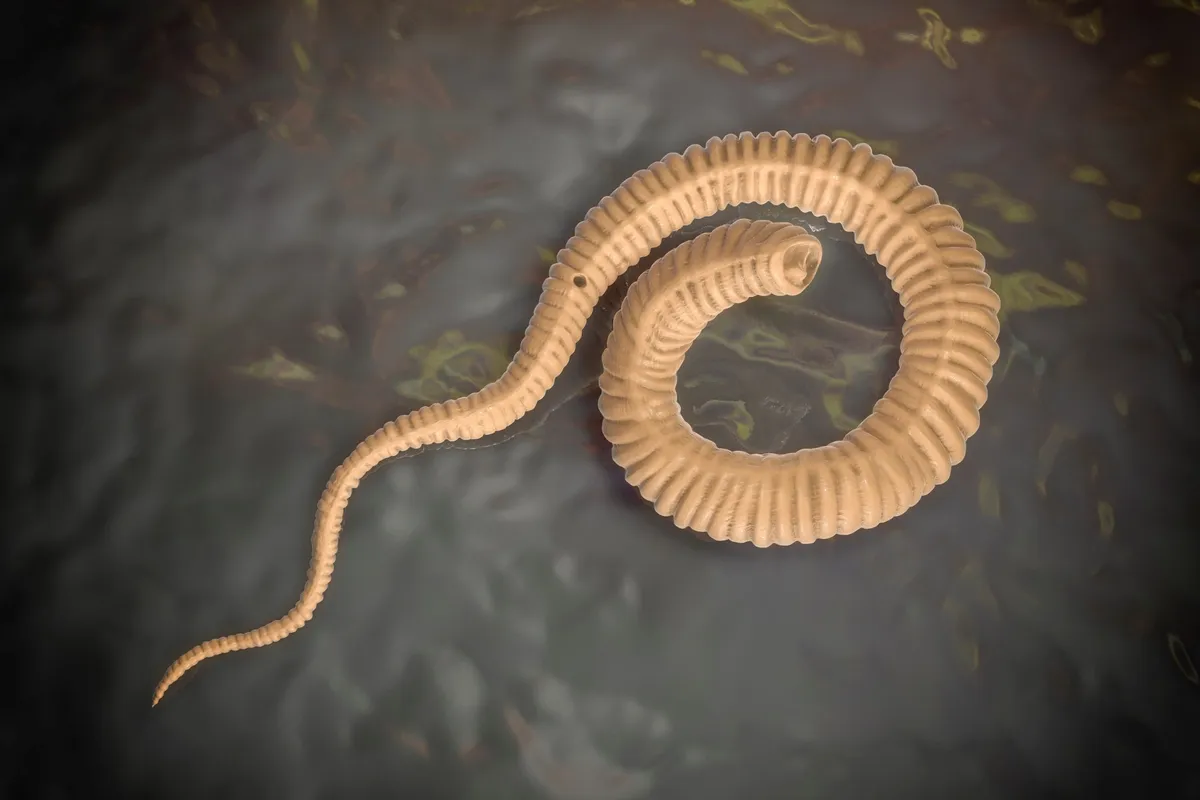
There are now just 10 known cases of Guinea worm disease in the entire world. That's the number reported in 2025 by The Carter Center, the organization that's spent nearly four decades methodically dismantling one of history's most painful parasitic infections.
If those numbers hold and the final six countries maintain zero cases for three consecutive years, Guinea worm will become only the second human disease ever to be completely eradicated—a milestone that hasn't been reached since smallpox was eliminated in 1980.
How We Got Here
When The Carter Center intensified its eradication efforts in 1986, approximately 3.5 million people contracted Guinea worm every year, mostly in rural Africa and Asia. The disease works like a horror film: a parasitic roundworm grows inside the body for about a year, then emerges through the skin as a blister, often on the lower leg or foot. The worm can stretch up to three feet long. There's no vaccine, no drug that kills it. People infected with it endure weeks of agonizing pain as the worm slowly works its way out.
We're a new kind of news feed.
Regular news is designed to drain you. We're a non-profit built to restore you. Every story we publish is scored for impact, progress, and hope.
Start Your News DetoxThe transmission cycle is grimly simple. People drink water contaminated with microscopic infected water fleas. The larvae mature inside the body. When the blister forms and people immerse it in water to ease the burning pain, they unknowingly release new larvae back into the water supply, infecting the next person.
Breaking that cycle required no medical breakthrough—just clean water, cloth filters, and community education. Local health workers taught people to use simple filtration tools and to avoid water sources while infected. These basic interventions, implemented across some of the world's most remote regions, reduced cases from millions to single digits.
The Final Stretch
Six countries remain uncertified as Guinea worm-free: Angola, Chad, Ethiopia, Mali, South Sudan, and Sudan. In 2025, Chad and Ethiopia each reported four cases. South Sudan reported two. Angola, Cameroon, Mali, and the Central African Republic reported zero cases for the second consecutive year—a sign they're closing in on the three-year zero threshold required for official certification.
Adam Weiss, director of the Carter Center's Guinea worm program, frames the remaining work plainly: "Zero is the only acceptable number, and our commitment to getting there is unwavering."
What Comes Next
Guinea worm's near-eradication isn't just a standalone victory. It's becoming a template. Yaws, a bacterial infection that primarily affects children, is following a similar path toward WHO eradication by 2030. As of 2025, 136 countries have been certified transmission-free—up from just one in 2020.
The Guinea worm story proves that global health breakthroughs don't always require cutting-edge medicine. Sometimes they require something simpler: the will to coordinate across borders, the resources to reach remote communities, and the patience to sustain effort across decades. With each year that passes, a future where Guinea worm exists only in history books gets closer.