Ghana's government has revoked a 2022 law that would have opened the country's protected forest reserves to mining operations. In December, the Minister for Lands and Natural Resources introduced legislation to nullify the earlier rule, which had given the president power to approve mining in these reserves despite decades of protection policies.
The reversal came after sustained pressure from environmental groups and public outcry. When Ghana held elections in 2024, the incoming president, John Dramani Mahama, had promised to undo the mining law during his campaign. He took office on January 7, 2025, and the government moved quickly to follow through.
Why this matters
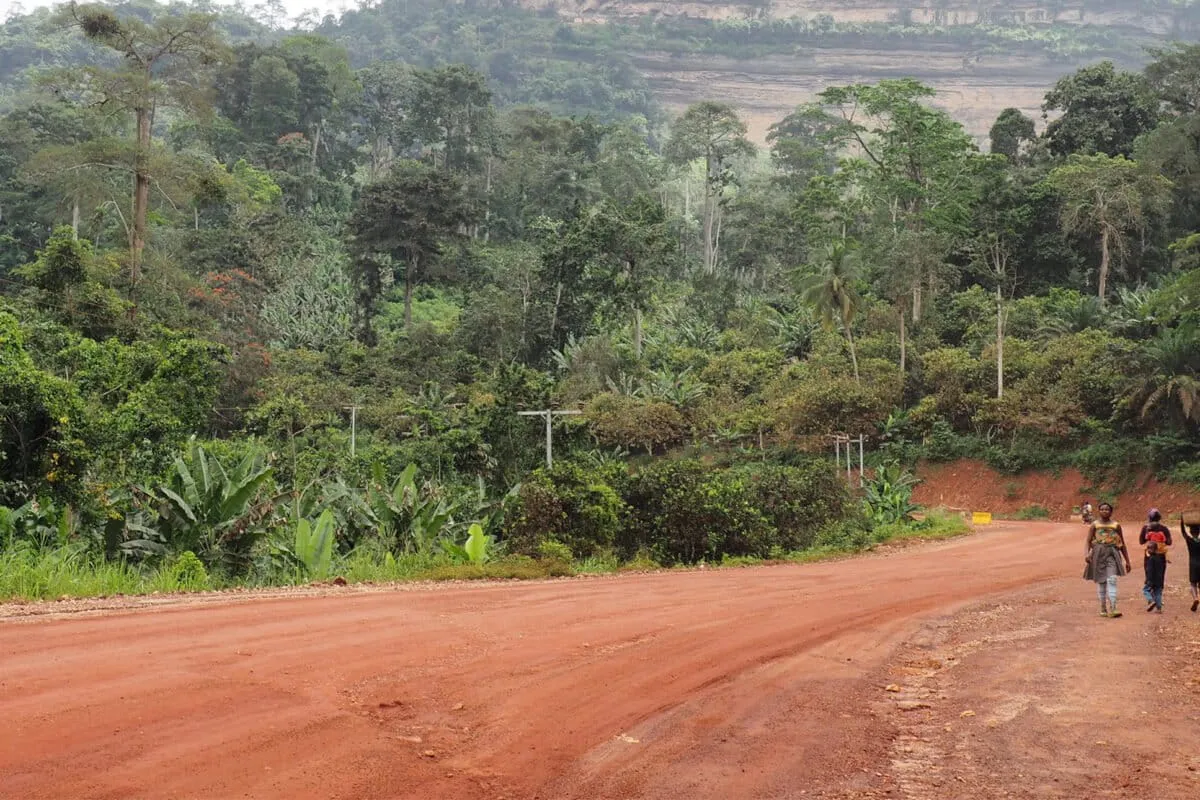
Ghana's forest reserves aren't just local assets—they're globally significant biodiversity hotspots. The 2022 law had contradicted the country's own Forest Development Master Plan, which aims to phase out mining in reserves entirely by 2036. Environmental groups warned that opening these areas to extraction would trigger serious deforestation and habitat loss in places that had been protected for years.
We're a new kind of news feed.
Regular news is designed to drain you. We're a non-profit built to restore you. Every story we publish is scored for impact, progress, and hope.
Start Your News DetoxMinister Buah told the press that the government's decision reflected a commitment to protecting "our pristine forest reserves and our environment." A coalition of civil society organizations called the rollback a major victory for forest protection and environmental governance in Ghana.
This move signals something worth noting: Ghana's government responded to public pressure and electoral promises. Environmental policy doesn't always shift this way. The fact that a newly elected administration prioritized forest protection over mining interests—especially in a country where mining has historically been economically important—suggests that public concern about deforestation is reshaping political calculations.
Forests in West Africa are under intense pressure. Ghana's decision to keep its reserves off-limits to mining doesn't solve deforestation entirely, but it removes one significant threat from an area that already faces pressure from illegal logging and agricultural expansion. With the master plan targeting a complete phase-out by 2036, the next question is whether Ghana can enforce these protections and rebuild what's already been lost.