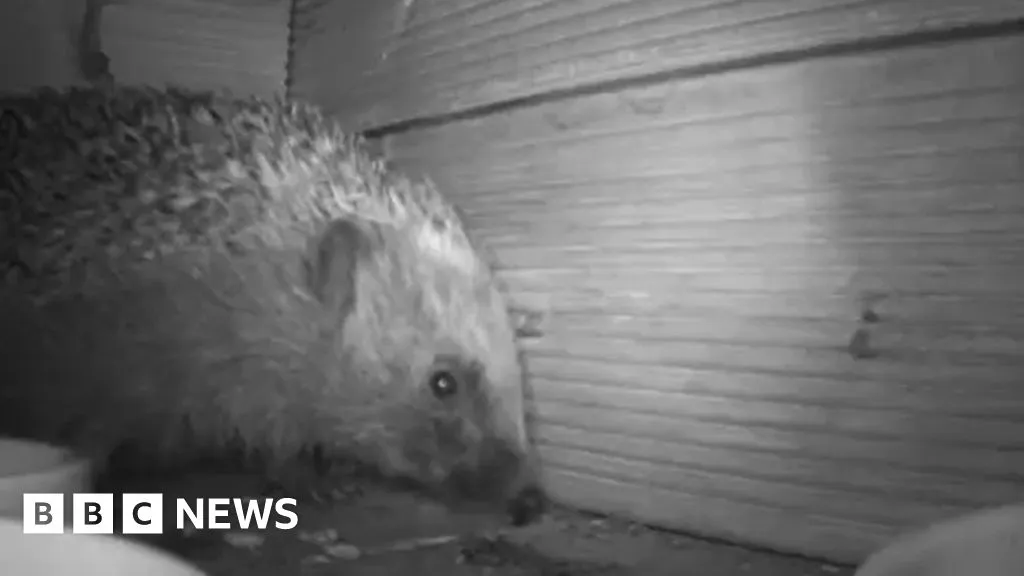
Hedgehogs are increasingly making gardens their home—and a new study shows why that matters. Researchers from Nottingham Trent University and Chester Zoo placed wildlife cameras in over 400 gardens across Chester and found hedgehogs in more than half of them. It's a small window into a much larger problem: rural hedgehog populations have collapsed, driven by habitat loss, intensive farming, and road deaths. These nighttime garden visits might be their lifeline.
The study, published in Urban Ecosystems, reveals that food is a major draw, but what's really striking is simpler than that. Hedgehogs need space to roam and forage naturally. When they can move between gardens freely, they're more likely to survive. When they find patches of wildflowers, leaf litter, and log piles, they have places to hunt, breed, and shelter through winter.
Dr. Rebecca Thomas, a conservation biologist involved in the research, points out that as rural habitats shrink, suburban gardens are becoming crucial refuges. This isn't a replacement for fixing the bigger problems—it's a survival strategy while we work on those. The hedgehogs aren't thriving because we want them to; they're thriving because we're finally giving them what they need.
We're a new kind of news feed.
Regular news is designed to drain you. We're a non-profit built to restore you. Every story we publish is scored for impact, progress, and hope.
Start Your News DetoxHow to Help
If you have a garden, the practical steps are straightforward. Cut small holes in fences so hedgehogs can move between properties without climbing over barriers. Leave patches of native plants and wildflowers untouched. Pile up dead leaves and logs in a corner—they become shelter and breeding sites. You can leave out food, though researchers caution that the long-term effects of supplementary feeding aren't fully understood. If you do, stick to cat biscuits and keep feeding areas clean to prevent disease spread.
The bigger picture is that hedgehogs in gardens are both a success story and a warning sign. They're finding refuge in places humans created for other reasons. But they shouldn't need to. The real work is protecting the countryside habitats they've lost. Until that happens, British gardens—and the people who tend them—are keeping these spiny mammals alive.