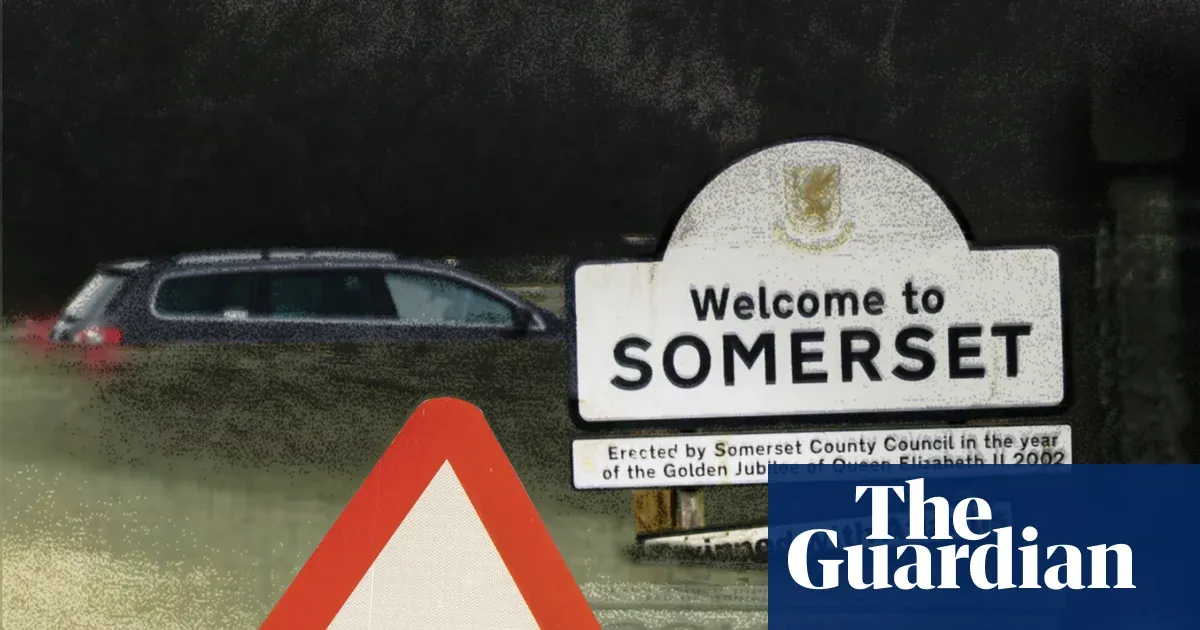
When the Somerset Levels flooded in 2014, it took two months for water to rise. Last week, it took two days.
That compression of time — from weeks to days — tells you everything about how the climate crisis is reshaping flood risk in Britain. Torrential winter rains are arriving roughly 20 years ahead of what climate models predicted even a decade ago. In some communities, the question is no longer how to manage flooding, but whether homes can survive at all.
The Acceleration
A ferocious Atlantic storm system drenched south-west England in January, saturating soils and supercharging rivers across the region. Somerset council declared a major incident. Schools closed. Trains stopped. Dozens of people were pulled from stranded vehicles. Across the south-west, homes and businesses flooded while communities were cut off from roads and services.
We're a new kind of news feed.
Regular news is designed to drain you. We're a non-profit built to restore you. Every story we publish is scored for impact, progress, and hope.
Start Your News DetoxRebecca Horsington, chair of the Flooding on the Levels Action Group, described the emotional toll: "The stress and anxiety is palpable in the community. We've all been here before, we know what happens and it shouldn't. But since 2014, the weather events are becoming more and more frequent and the rain just dumps now."
Bryony Sadler, a hairdresser from Moorland village on the Levels, noticed the pattern too. "These events are getting more frequent and more serious. The rain is heavier and more intense, the winds stronger."
Why This Is Happening
The science is straightforward: warmer air holds more water vapour. As global temperatures rise, winters across the UK are becoming wetter — and the south-west, already damp, is hit hardest.
Prof Hayley Fowler, a climate change expert at Newcastle University, puts the gap between prediction and reality starkly: "We're already experiencing changes in UK winter rainfall that the global and regional climate models predict for the 2040s — we're 20 years ahead."
The numbers are staggering. The extra water falling across the UK each year now equals 3 million Olympic-sized swimming pools. Storms themselves have intensified by 20%, according to the Met Office. "It's directly attributable to fossil fuel burning," Fowler said. "So it's going to continue getting worse until we stop."
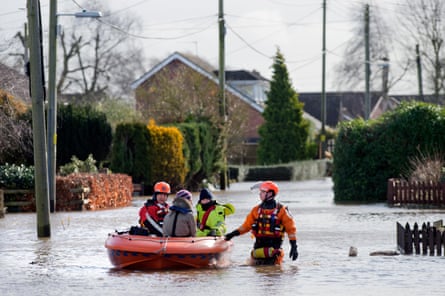
Flooding in Moorland on the Somerset Levels in 2014.
The Widening Gap
Here's what makes this urgent: the gap between climate impacts and protective action is widening. Fowler, who sits on the adaptation subcommittee of the Climate Change Committee, is blunt: "Flooding is actually one of the areas that we are doing better at, which is slightly horrifying given the actual impacts we're feeling almost every week now."
Dr Martina Egedušević, a flooding scientist at the University of Exeter, identifies the core problem. "We are still funding flood protection like climate change is a future problem, but for communities in the south-west it is already here."
Somerset council leader Bill Revans explains what "here" means practically: the region needs permanent, high-volume pumps to manage water when it floods. Right now, when a flood arrives, crews must arrange cranes and contractors — a process that takes days. "If that resource was there permanently, it would be a case of flicking a switch," Revans said.
A Question of Viability
The south-west has always faced flood risk, but climate-driven intensity is bringing peril to areas historically safe. Flash floods overwhelm drainage systems designed for yesterday's rainfall. Communities that never considered flooding a real threat now face it regularly.
Mike Stanton, chair of the Somerset Rivers Authority, voiced what was once unthinkable: "It may be that in the next 50 years, perhaps in the next 20, some homes around here will have to be abandoned."
Revans, reflecting on Moorland's tight-knit community, described the human weight of that possibility: "It's a beautiful community here. Everyone's really friendly and supportive of each other. They don't deserve this."
When asked whether communities like Moorland can survive, Revans paused. "I would fight tooth and nail to be able to keep communities like this viable and going in the future. But ultimately, it's a question of whether we're prepared to spend the resource on keeping them dry every winter."
That question — what resources we're willing to spend, and how quickly — may define whether adaptation happens or abandonment does.