A 3,500-acre farm in Sussex has quietly become one of Britain's most important wildlife refuges. Twenty years ago, it was depleted, polluted, and losing money. Today, it's home to species that have vanished from most of the UK—and their numbers are climbing fast.
The Knepp estate's transformation started when Isabella Tree and her husband Charlie Burrell stopped fighting the land and let it recover. They removed fences, introduced free-roaming cattle and other animals to fill ecological roles that extinct species once held, and stepped back. The land responded.
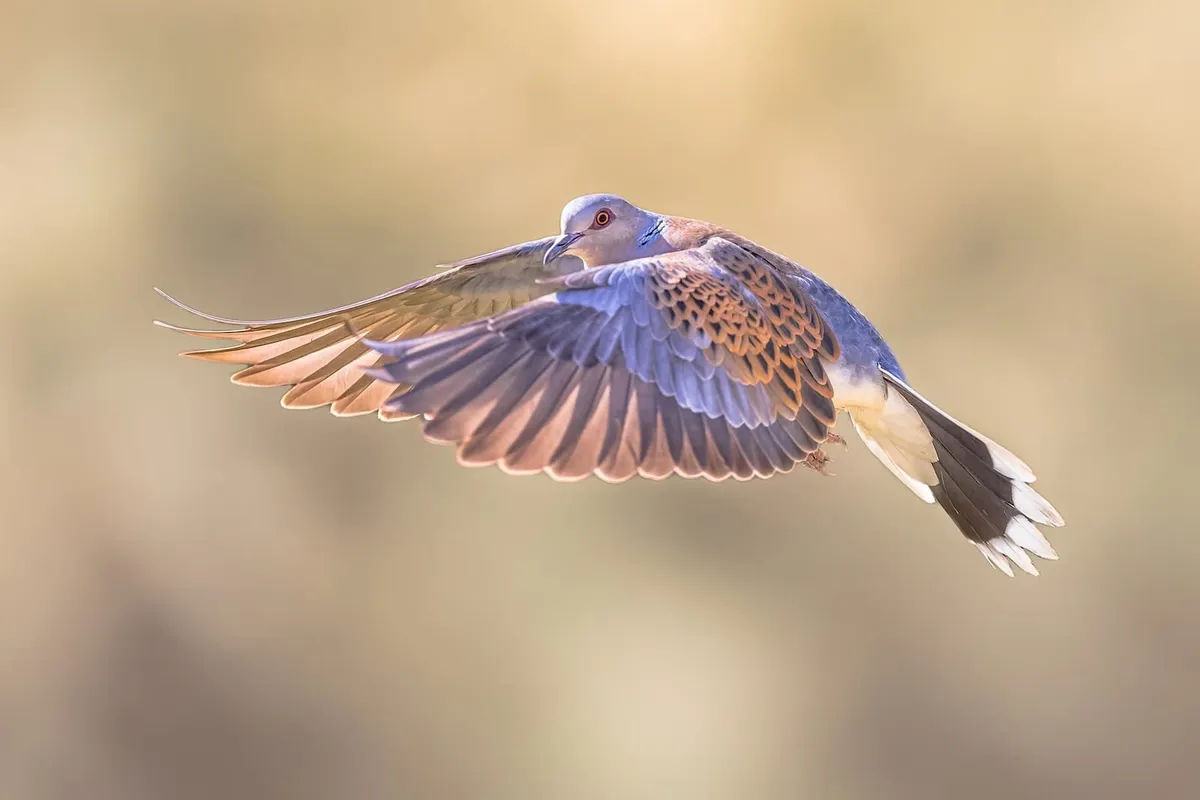
According to a two-decade ecological review, breeding bird numbers have surged by 900%. Turtle doves—a species in freefall across Britain—jumped 600%. Nightingales, equally battered by habitat loss, climbed 511%. Butterflies doubled in some areas. Dragonflies and damselflies nearly matched the bird increase, rising 900% as wetlands recovered and insects returned.
We're a new kind of news feed.
Regular news is designed to drain you. We're a non-profit built to restore you. Every story we publish is scored for impact, progress, and hope.
Start Your News Detox"The trend is strongly positive and still increasing year on year," said Fleur Dobner, an ecologist at Knepp. This isn't a one-off spike. The data shows consistent, year-on-year gains—the kind of trajectory that suggests the ecosystem has found a new equilibrium.
What makes Knepp significant isn't just the numbers. It's proof of concept in a country that has stripped away more of its natural heritage than almost anywhere else on Earth. Britain ranks among the world's most nature-depleted nations. Tree's book Wilding documented the experiment and helped shift how people think about land management—that sometimes the most productive thing you can do is stop trying to control everything.
"We have gone from a depleted, polluted, dysfunctional farmland to one of the most significant biodiversity hotspots in the UK," Tree said. "The uplift in biodiversity shows how much life the land can hold."
The UK has committed to returning 30% of land to nature by 2030. Tree argues the country isn't moving nearly fast enough, and that Knepp demonstrates the scale of ambition needed. Rewilding isn't exotic or experimental anymore—it's a proven tool. The question now is whether Britain will apply the lesson at the scale the crisis demands.