When I filled out my National Kidney Registry application, I hoped to improve someone else's life. I never imagined the process would save my own.
Why I Decided to Donate
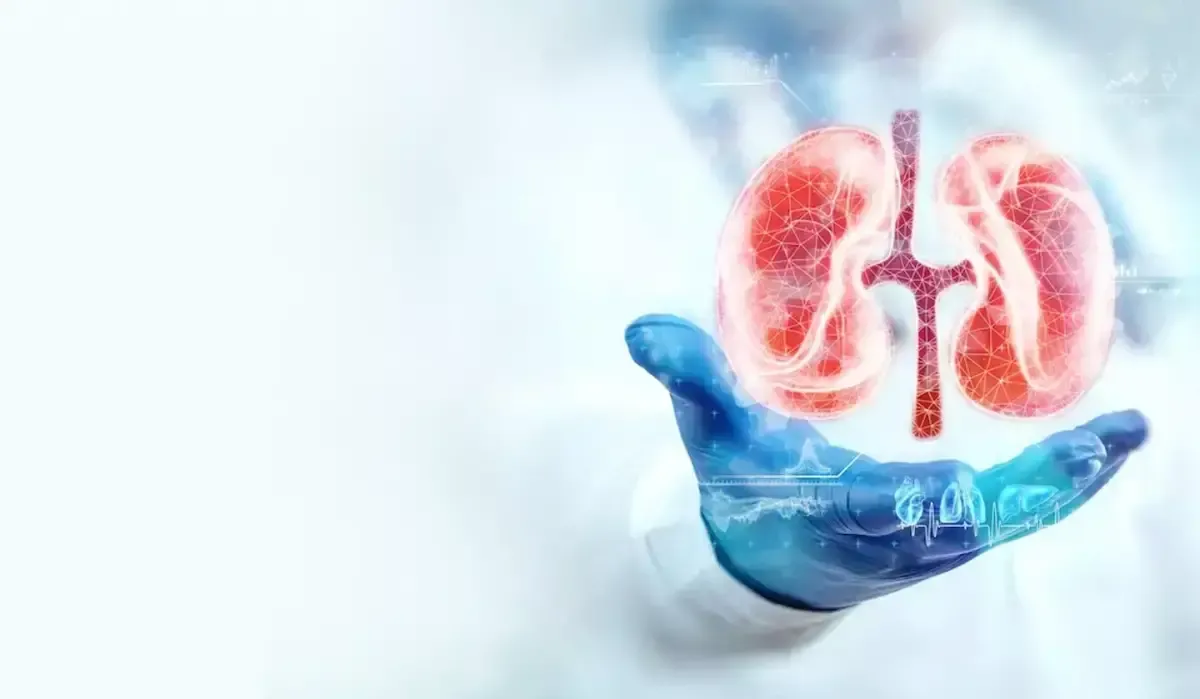
Kidney donation had lingered in my thoughts for years. My aunt faced kidney disease once, though she recovered without needing a transplant. Then the reminders kept coming—signs near my daughter's school, a man with a sandwich board asking for a kidney for his wife, a documentary on my flight home. Over 90,000 people wait on transplant lists right now, many facing dialysis, chronic illness, and financial strain.
The final push came through TikTok. I discovered Chandler Jackson, @ChandlerTheKidneyGuy, a college student with kidney disease who documents his daily routine: sanitizing his dorm room and hands, attaching tubes and bags to the dialysis port in his abdomen, running a nine-hour filtration process every single day. By the time I'd scrolled through his feed, I was resolved. I would donate in 2026. I couldn't give directly to Chandler due to geography and biology, but I could start a transplant chain on his behalf.
We're a new kind of news feed.
Regular news is designed to drain you. We're a non-profit built to restore you. Every story we publish is scored for impact, progress, and hope.
Start Your News DetoxMy own life felt uncomplicated by comparison. I spend my time speaking in schools about learning and parenting, tending my gardens, keeping bees, splitting firewood. A kidney donation would barely disrupt it—some blood work, a laparoscopic surgery, a few weeks of recovery. I imagined healing by my wood stove while knitting through a Vermont winter, then returning to the garden and trails by spring.
The Medical Workup Begins
I filled out the registration form on my phone in under ten minutes. A nurse navigator from Mass General Brigham called days later. Once she confirmed I was viable, the testing began—blood work, urine collection, and the encouragement to schedule overdue preventative care. For 55 years my kidneys had warranted barely a thought. Now I thought about them constantly. Which one would they keep? Were they healthy enough? I'd started thinking of them as something I was caretaking for a stranger.
I scheduled my mammogram as part of the routine screening. I even took a cheerful photo in the changing room for Instagram, captioning it with encouragement about not skipping mammograms.
The Unexpected Turn
When the breast care clinic called back asking for a follow-up ultrasound, I wasn't worried at first. This had happened before—just irregular tissue density, nothing more. But when the technician asked me to stay for the ultrasound, concern crept in. I chatted nervously with her about our kids as she scanned my left breast and lymph nodes.
In the consultation room, I noticed the box of tissues placed prominently on the table before the radiologist even entered. When my husband arrived, I saw him notice it too.
The radiologist told us I had a mass in my left breast, almost certainly invasive based on its spiculated appearance. I'd need a biopsy immediately. Surgery would follow—lumpectomy or mastectomy options to discuss with a surgeon.
No, I wanted to say. This wasn't supposed to be about me. I was meant to be giving life, not weighing mortality calculations.
I was devastated—for myself and for the stranger I'd already claimed as my responsibility.
The Gift Within the Crisis
And yet that mammogram, scheduled months earlier than I would have chosen, caught my cancer early. I was diagnosed with invasive lobular carcinoma, a type often difficult to spot in its early stages. Early detection changed everything.
I did have surgery during that cold, dark Vermont winter—a bilateral mastectomy with reconstruction. I spent December and January near my wood stove, knitting a lumpy shawl. By spring, I'll be healed enough to trail run, split firewood, and move stones in my garden.
Meanwhile, Chandler received his kidney transplant that same winter. Someone else stepped up when I dropped out. She completed her registration, passed rigorous testing, and donated her kidney. Because her donation became part of a transplant chain, Chandler got his chance at life free from kidney disease.
My initial motivation for donating was altruistic. In a reversal so common it feels cliché, I gained everything I'd hoped to give.