Ever scrolled Wikipedia, looking for info on some incredible African woman, only to find... crickets? Or maybe a stub of an article with no picture? Yeah, about that. It turns out the internet, for all its vastness, has a major bias problem, especially when it comes to African women.
Turns out, a lot of the knowledge we find online is written by, well, mostly men. And if you're an African woman trying to contribute, you might hit a wall of online harassment or just plain lack of access. This means countless achievements, stories, and leaders simply aren't making it onto the digital record. Which, if you think about it, is both impressive in its oversight and slightly terrifying for history.
The Wikipedia Gap
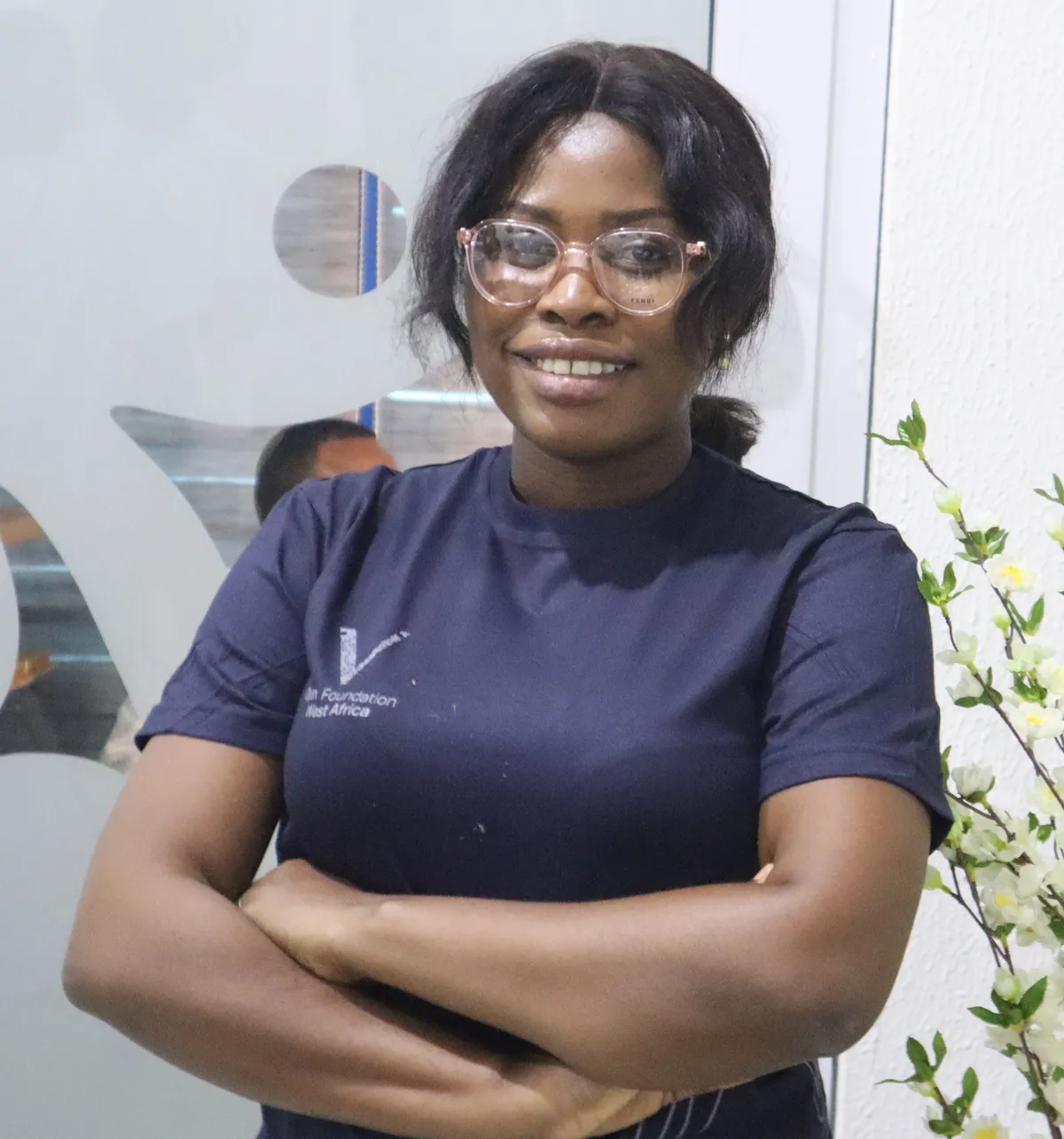
Enter Africa Wiki Women, a project cooked up by three visionaries: Ruby Damenshie-Brown from Ghana, Bukola James from Nigeria, and Pellagia Njau from Tanzania. Their mission? To flood the internet with the stories that are missing. Because apparently, if you want something done right, you find a few incredibly determined women and give them keyboards.
We're a new kind of news feed.
Regular news is designed to drain you. We're a non-profit built to restore you. Every story we publish is scored for impact, progress, and hope.
Start Your News DetoxRuby Damenshie-Brown, a co-founder, jumped into the Wikimedia community in 2019 and quickly noticed the glaring gap: less than 20% of English Wikipedia biographies were about women. And many of those barely had a photo. It was a problem so big, she struggled to find enough published info to write about notable African women during a 24-hour edit-a-thon. The data simply wasn't there.
Even a campaign called "Sheroes of Africa" in April 2022, designed to celebrate African women, ended up being dominated by male participants. The rules even had to be tweaked just to recognize one woman's truly exceptional contribution. It was a clear sign: a dedicated space was needed.
So, Africa Wiki Women became that space. A community focused on training, mentorship, and making sure African women's voices are not just heard, but leading the charge in documenting their own histories. Because when it comes to shaping the narrative, who better to tell the story than those who lived it?
Why It Matters (Beyond Just Wikipedia)
Representation isn't just about feeling good; it's about power. Wikipedia is often the first stop for millions seeking information. If African women are absent, it subtly suggests their experiences, leadership, and expertise are less important. Which is, to put it mildly, inaccurate.
By adding these stories, Africa Wiki Women isn't just correcting historical imbalances; it's inspiring younger generations and informing public decisions. When women's contributions are visible, researchers, journalists, and policymakers have actual data to work with. It ensures the global story reflects reality, not just a convenient subset of it.
Since its inception, the group has trained over 500 women across Africa, who've gone on to create and improve hundreds of articles. We're talking profiles of female leaders, pages on women-led organizations – the whole nine yards. And beyond the numbers, it's about confidence. Many participants report feeling empowered, seeing themselves as experts, and finally being able to share their communities' stories.
Of course, it's not all smooth sailing. Access to tech, digital literacy, time constraints (because, you know, life), and a lack of existing role models are all very real hurdles. But Africa Wiki Women is tackling these head-on with training, resources, and advocacy. Because closing the digital gender gap isn't just about getting online; it's about making sure the internet actually reflects the world we live in.
Ultimately, this isn't just about Wikipedia entries; it's about ensuring future generations inherit a knowledge ecosystem that's actually fair, inclusive, and representative. And if that's not a goal worth typing for, what is?