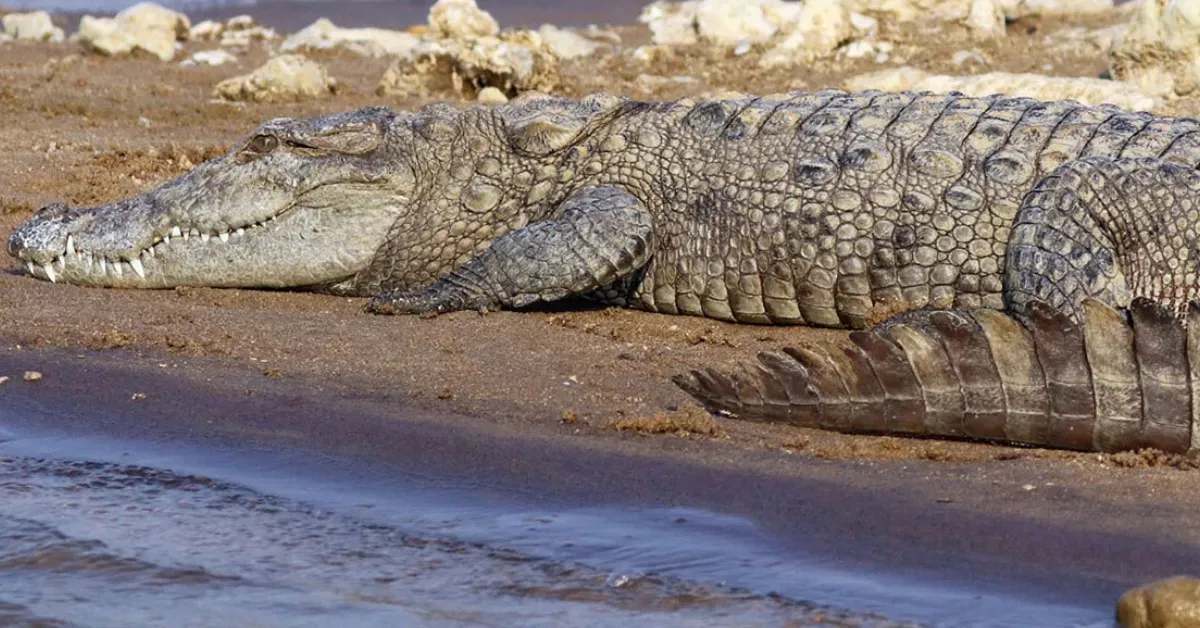
In Similipal National Park, where tigers pace through forests and elephants move between valleys, something older is stirring in the rivers. The mugger crocodile—an ancient reptile that has survived ice ages and empires—is coming back.
For years, their numbers had slipped away. But in early January 2026, forest officials finished a three-day census across 20 locations and the count read 84 crocodiles. That's three more than the year before. It doesn't sound like much. But when you're tracking a species that nearly disappeared from these waters, three crocodiles matter.
The Count
The census was methodical work. Over 100 forest personnel split into 30 teams and moved through eight main rivers and water bodies, documenting where each crocodile rested and moved. The West Deo River held the densest population—around 60 crocodiles basking on banks or gliding through current. Others scattered across the park's divisions, with five more at the Ramatirtha breeding centre.
We're a new kind of news feed.
Regular news is designed to drain you. We're a non-profit built to restore you. Every story we publish is scored for impact, progress, and hope.
Start Your News DetoxWhy count at all? Crocodiles are sensitive instruments. They need clean water, abundant fish, safe nesting grounds. When their numbers rise, even slightly, it signals something larger: the habitat itself is healing.
How They Came Back
This recovery didn't happen by accident. At its center is the Ramatirtha Mugger Crocodile Breeding Centre, where hatchlings are raised in controlled conditions until they're strong enough for the wild. Each year, young crocodiles are released into the West Deo, East Deo, Khairi, and Budhabalanga rivers—a deliberate strategy to rebuild wild populations.
But breeding centers alone don't work. Forest staff monitor the rivers themselves, preventing pollution and limiting disturbance. Local communities have shifted their relationship with these waterways too. The annual census feeds back into this cycle, allowing officials to spot threats early and adjust protection strategies.
Then in 2025, part of Similipal gained official national park status—the 107th in India and the largest in Odisha. That legal designation carries real weight. It means stronger protections, more resources, and a formal commitment that extends beyond the tenure of any single official.
What Three More Crocodiles Mean
The jump from 81 to 84 is small in isolation. But it represents something that conservation rarely gets: momentum. It's proof that patience works. That a breeding center plus habitat protection plus legal safeguards plus community shift actually compounds over time.
These crocodiles have survived 200 million years of planetary change. What they couldn't survive was a few decades of habitat loss and neglect. Now, in Similipal's rivers, they're proving they can come back if humans decide to make space for them.
As the park moves forward, the question isn't whether 84 is enough. It's whether this trajectory holds.