In 2025, Camden, New Jersey, a city of 72,000, hit a milestone: its first summer without a single homicide in almost 50 years. Let that satisfying number sink in. The city ended that year with just 12 homicides, a dramatic nosedive from the 67 recorded in 2012. Back then, Camden's per capita homicide rate was 18 times the national average. Eighteen. Times.
After George Floyd's murder in 2020, Camden's police reform efforts became a national talking point. Especially when Minneapolis decided to scrap its department and start fresh, much like Camden had done seven years prior. But here's the thing: most of those conversations skipped over the actual heroes in this story. It wasn't just the police department changing its mind. It was everyone else.

When 'Broken Windows' Met Brick Walls
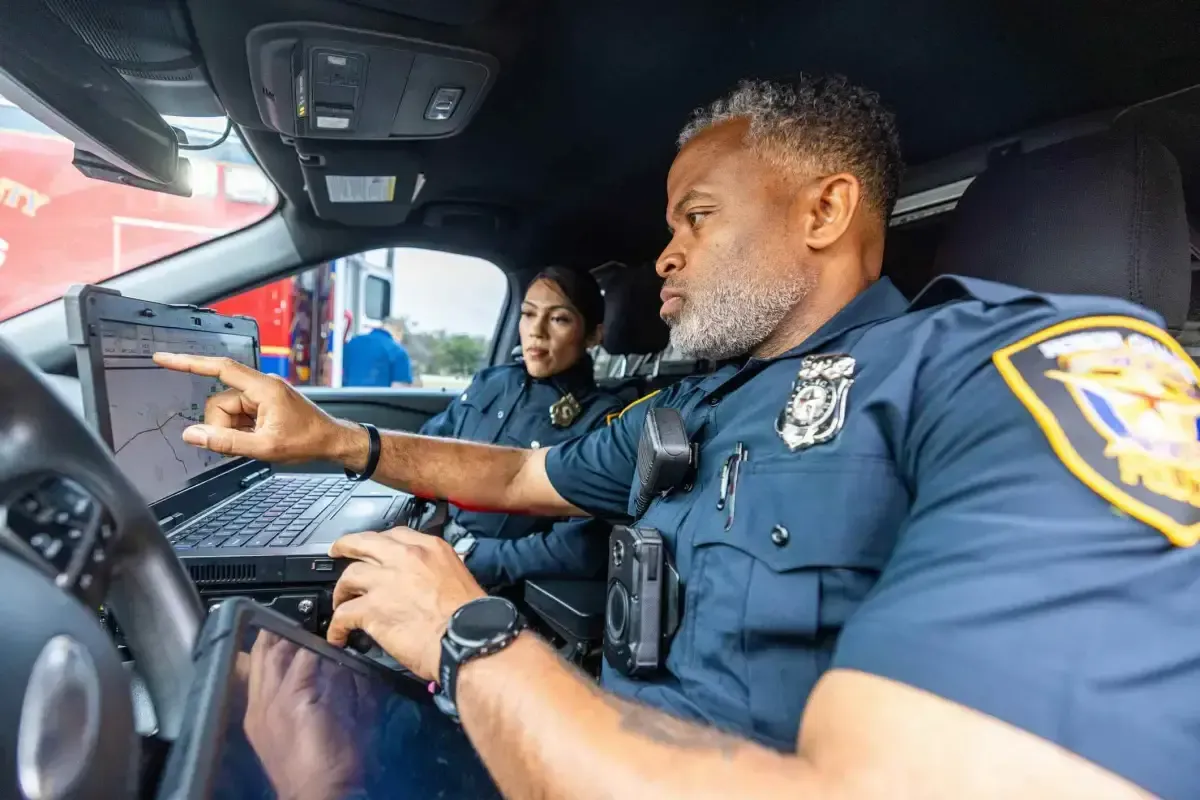
See, the original Camden City Police Department had pretty much vanished from the community in its final years. So when the shiny new Camden County Police Department (CCPD) took over, they decided to go big with an aggressive "broken-windows" style of policing. That's the one where you hammer down on minor offenses like loitering, ostensibly to prevent bigger ones.
We're a new kind of news feed.
Regular news is designed to drain you. We're a non-profit built to restore you. Every story we publish is scored for impact, progress, and hope.
Start Your News DetoxResidents, naturally, were not thrilled. The ACLU of New Jersey, along with researchers and local media, started digging. Using public records, they unearthed a troubling trend: a sharp increase in officer-initiated stops, minor violation tickets, and complaints of excessive force in 2014 and 2015.
In 2014 alone, CCPD officers made 60,352 stops, with 16,742 of those being pedestrian stops. To put that in perspective, that's a higher rate of pedestrian stops than New York City and Philadelphia saw during their infamous "stop-and-frisk" heydays. Tickets for things like riding a bike without a bell or having tinted car windows also skyrocketed. The number of municipal court cases jumped nearly 30% in the CCPD's first year. Because apparently, that's where we were now.

The People Push Back
Citizen complaints about excessive force against the CCPD doubled from 35 in 2013 to 65 in 2014. Groups like the Camden County NAACP and the ACLU-NJ made sure these numbers weren't ignored. In a moment of exquisite irony, in May 2015, President Obama publicly praised the CCPD for its community policing. On the very same day, the ACLU-NJ publicly called him out, stating Camden was not a model until its heavy-handed tactics were addressed.
Residents, clergy members, and local newspapers like The Philadelphia Inquirer and The Star-Ledger made their disapproval abundantly clear. And it worked.
In response, the CCPD leadership did something remarkable: they listened. Starting in spring 2015, all officers underwent de-escalation training. The department overhauled its use-of-force policy, banning tactics like chokeholds and shooting at moving vehicles, and focusing instead on de-escalation and the sanctity of human life. This innovative policy later inspired the New Jersey Attorney General to update the statewide policy.

Complaints of use of force and excessive force plummeted: 43 in 2015, 28 in 2016, 16 in 2017, and just three in 2018. Since then, they've mostly stayed in the single digits. The CCPD deserves credit for changing course, absolutely. But it was the relentless pressure from community groups, activists, and local media that truly drove that change.
Camden's progress is undeniable. Its homicide rate, while still four times the national average, is a massive improvement from 18 times the average. The city still faces plenty of challenges – it's still one of New Jersey's most violent cities, and despite $1.6 billion in state economic aid (mostly tax breaks for businesses that don't hire many locals), many areas remain deeply disadvantaged.
But the lesson here is clear: real change often comes from the ground up. And sometimes, the heroes aren't wearing uniforms, but carrying clipboards and making a ruckus.