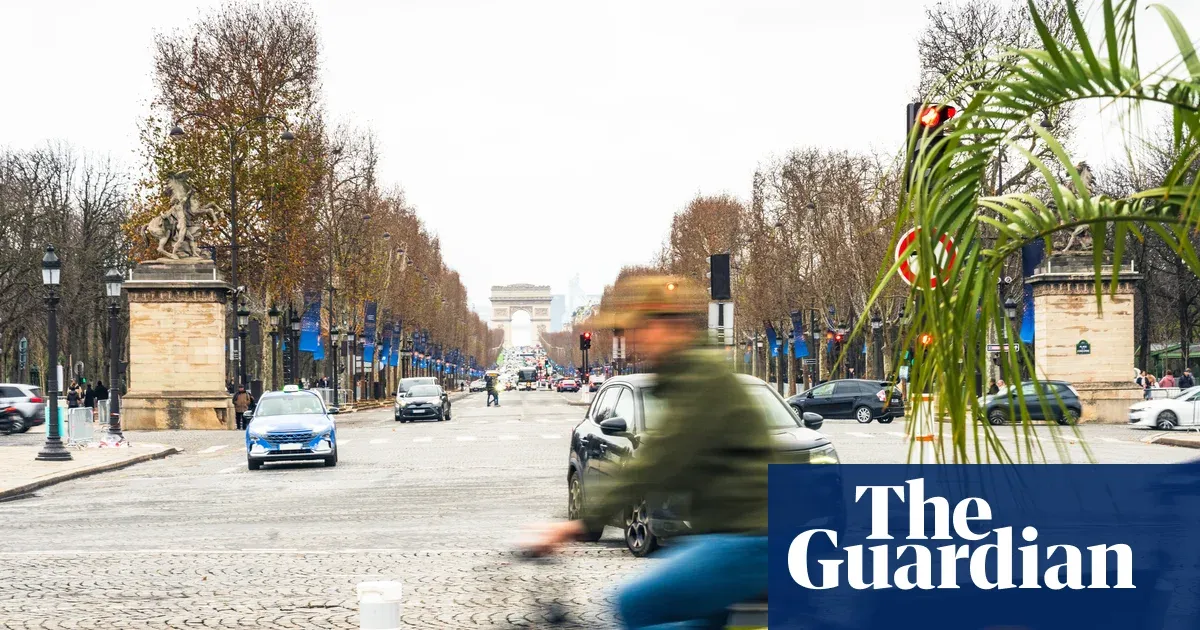
When Corentin Roudaut moved to Paris 10 years ago, he was afraid to cycle. He had biked a lot as a student in Rennes. But Paris felt too busy with cars everywhere and few safe places for bikes.
Then, authorities built a separate bike lane on Boulevard Voltaire near his home. Roudaut started cycling to work again and hasn't stopped. He now volunteers with Paris en Selle, a group that promotes cycling. He has seen the city change from being car-focused.
"It was a process that started slow and really accelerated in the last 10 years," Roudaut said. "At least in some parts of the city, we have a [cycle] network that is starting to be safe and pretty much complete."
We're a new kind of news feed.
Regular news is designed to drain you. We're a non-profit built to restore you. Every story we publish is scored for impact, progress, and hope.
Start Your News DetoxParis's Green Transformation
Paris began a big change when Anne Hidalgo became mayor in 2014. She planted 155,000 trees and added hundreds of kilometers of bike lanes. She also made 300 school streets car-free and banned cars from the banks of the Seine River.
Parking spots became green spaces or outdoor seating for cafes. Parents now worry less about their children walking to school. Hidalgo finished her 12 years as mayor on Sunday, March 29. Her work to make Paris more livable is now a model for other European cities. This is happening even as some national governments reduce green policies.
"When people ask me if I have any advice, I say don’t be afraid of being ambitious," Roudaut said. Last year, he met Green politicians from Germany who wanted to learn from Paris.
Even though Hidalgo didn't finish her whole plan, Roudaut noted, "everybody’s saying: ‘Look at what Paris has done, it’s so amazing.’"
Challenges and Future Steps
Not all Parisians agree with the changes. Taking space from cars for bikes has upset some drivers. Referendums on charging SUV drivers more for parking and making more school streets car-free passed with low voter turnout.
Before last month's elections, Rachida Dati, a right-wing mayoral candidate, called the changes "anxiety-inducing." However, she did not suggest reversing the main policies.
Hidalgo said that making the riverbanks car-free was "a tough battle." But now that it's done, people don't want cars back. "Today there are generations of children who have not known cars there," she said. "People say ‘wow!’ when you tell them."
Experts say Paris's tight city limits helped. This means suburbs have less say over city transport than in other capitals. Also, previous mayors had already started some groundwork. But it still took courage to make changes that inconvenienced drivers for the benefit of everyone and the environment.
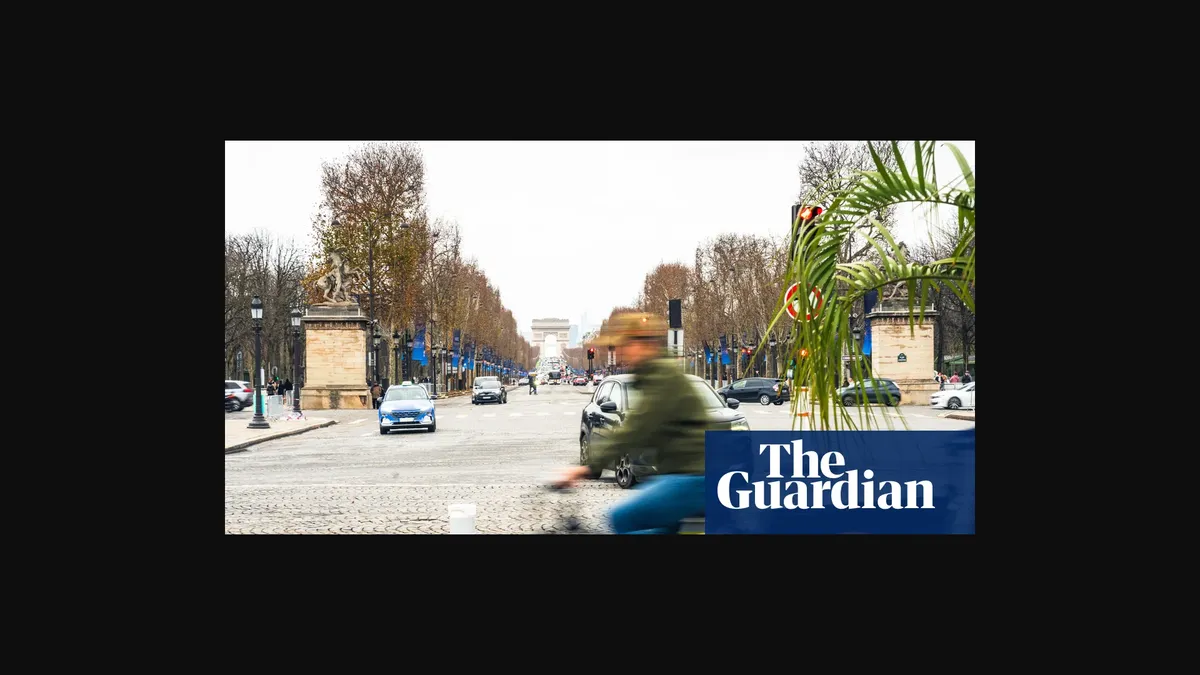 Photograph: pawel.gaul/Getty Images
Audrey de Nazelle, an environmental expert who grew up in Paris, thinks the changes are "fabulous." She remembers when cycling was so rare that if you saw another cyclist, you might stop for coffee.
"What’s missing in the rest of the world is courage," she said. "Mayors could say: ‘This is my opportunity [to leave a] legacy,’ but most will not dare."
Paris is one of 19 cities that greatly reduced two harmful air pollutants between 2010 and 2024. This was noted in a recent report. Other cities like Brussels and Warsaw saw faster drops in fine-particle pollution. London saw a faster drop in nitrogen dioxide.
Giulio Mattioli, a transport researcher, said Paris has caught up with many cities from a lower starting point. "The conditions were there already, you just needed to make some bike lanes and people would use them," he said.
Many European cities saw more cycling during the pandemic. But some have faced setbacks due to political shifts and conspiracy theories.
Paris has become a "15-minute city," where amenities are within walking distance. However, the suburbs are still car-dominated and separated by a busy ring road. Jean-Louis Missika, a former deputy mayor, said transforming this ring road is key to making Paris a post-car city.
"As long as this 35km motorway continues to encircle Paris, the Greater Paris metropolis will remain a figment of the imagination," he wrote. "Because a metropolis cannot be built by erecting walls between its inhabitants."