A dairy farm in north Somerset has quietly turned its staff into amateur naturalists—and the ripples are spreading through the whole community.
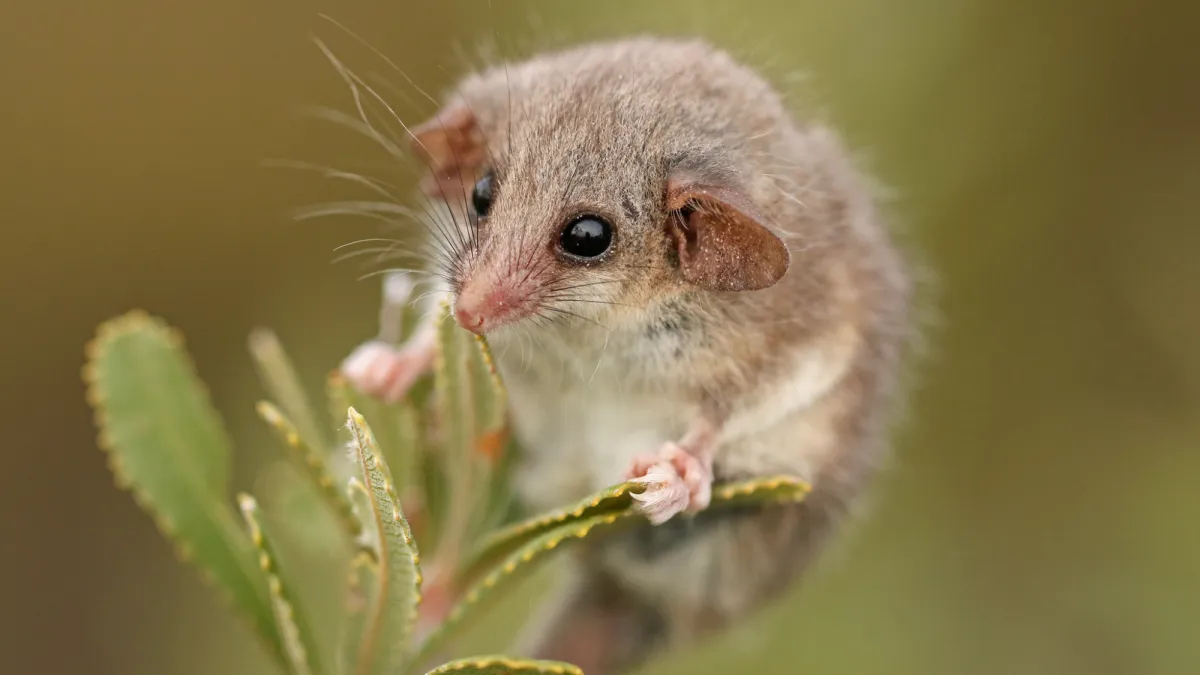
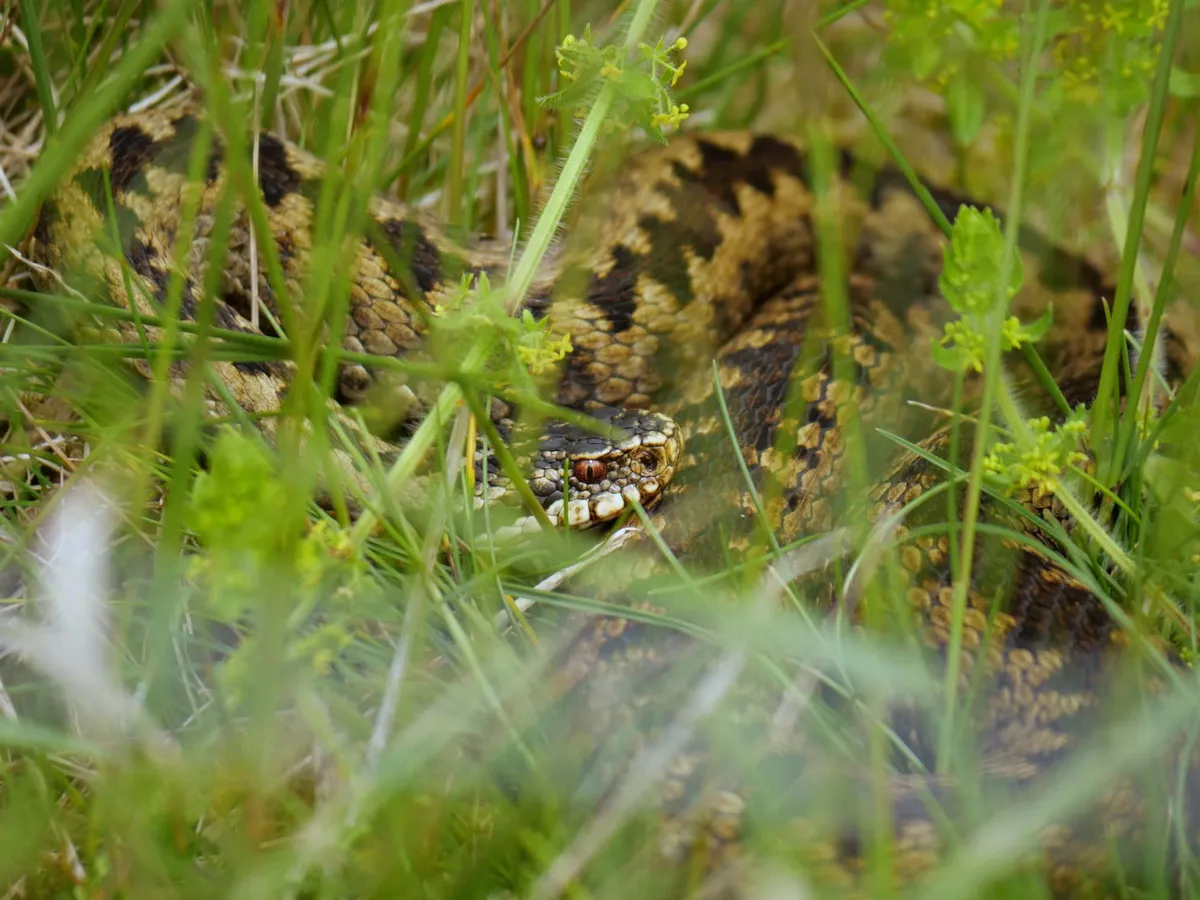
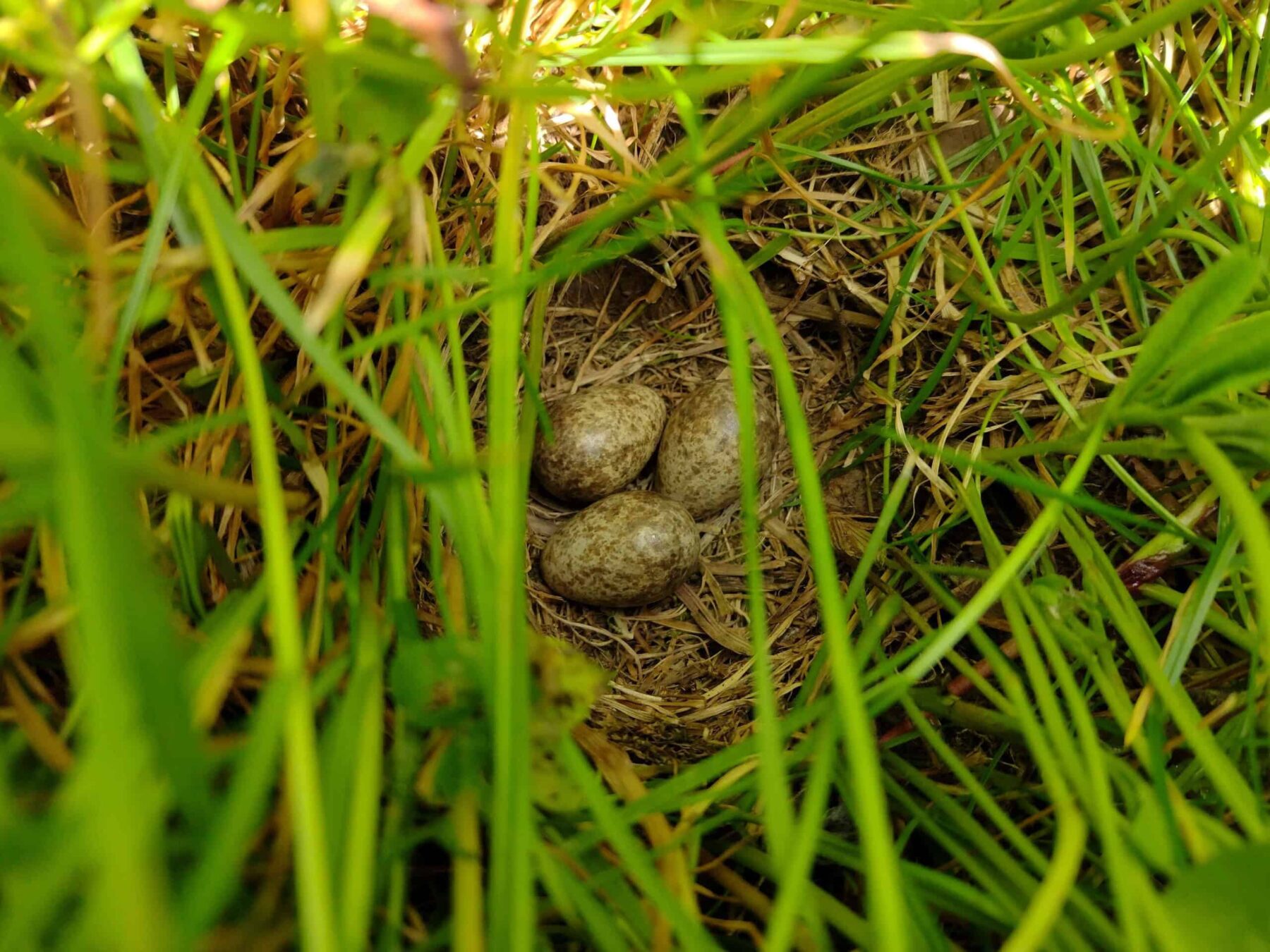
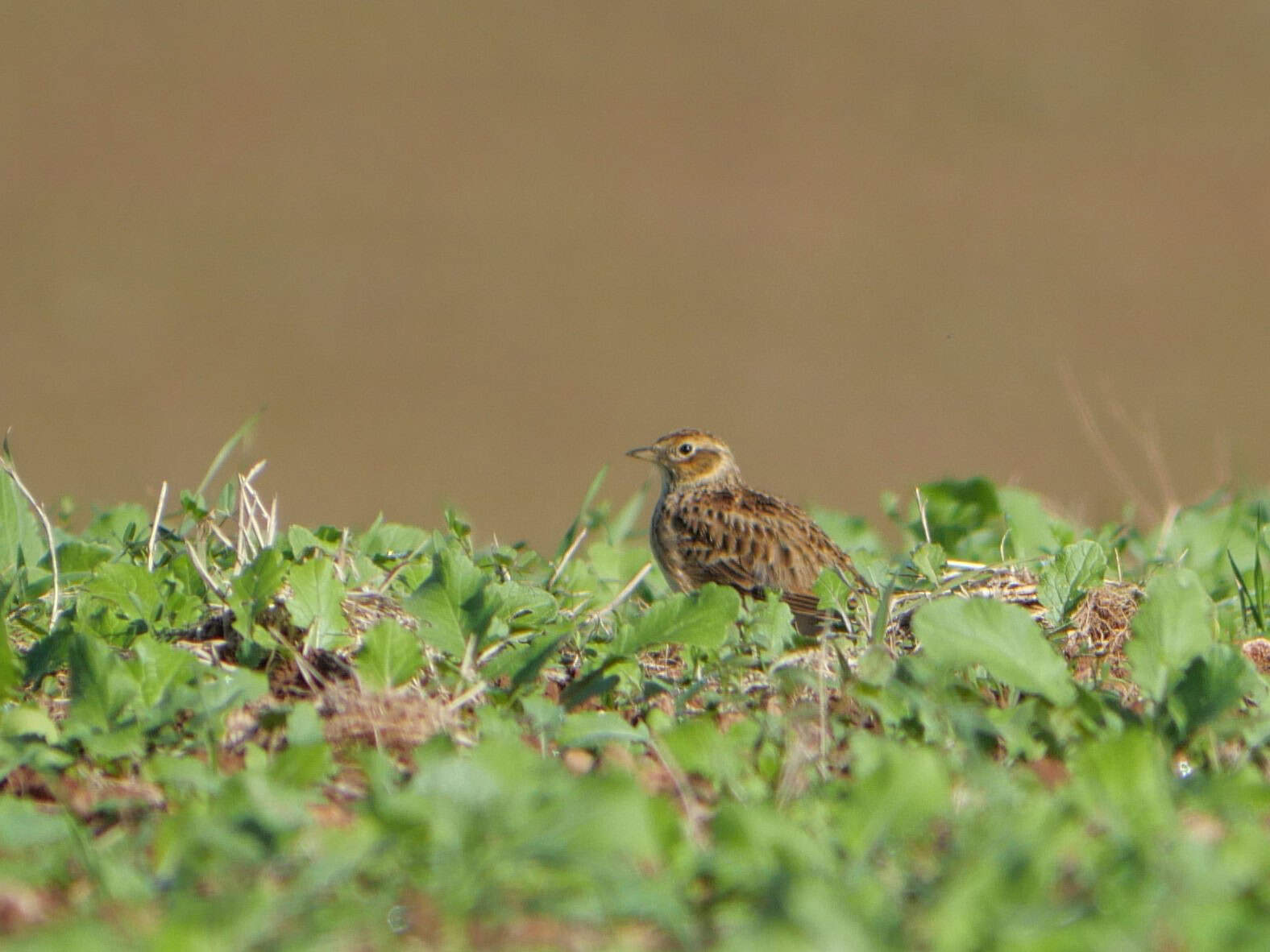
It started with something unglamorous: Yeo Valley Organic's management team sifting through cowpats to count dung beetles. But that's exactly the point. The farm, which runs cattle on pesticide-free organic pasture, enlisted ecologist Patrick Hancock to track four indicator species—dung beetles, skylarks, hazel dormice, and adders—as a way to measure whether their regenerative farming approach was actually working. Hancock established a network of walking routes across the farm's varied habitats, documenting what he found throughout the year.
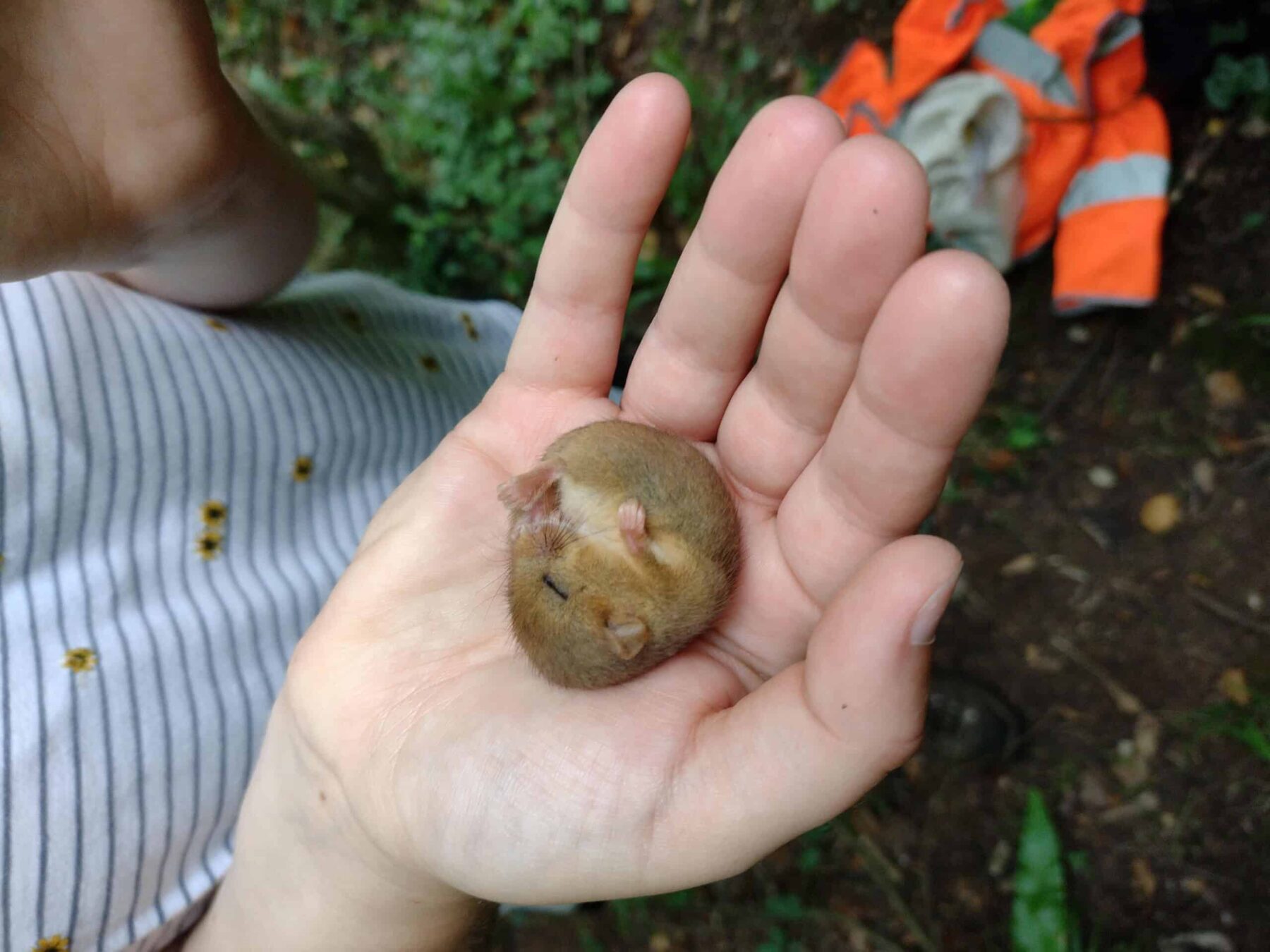
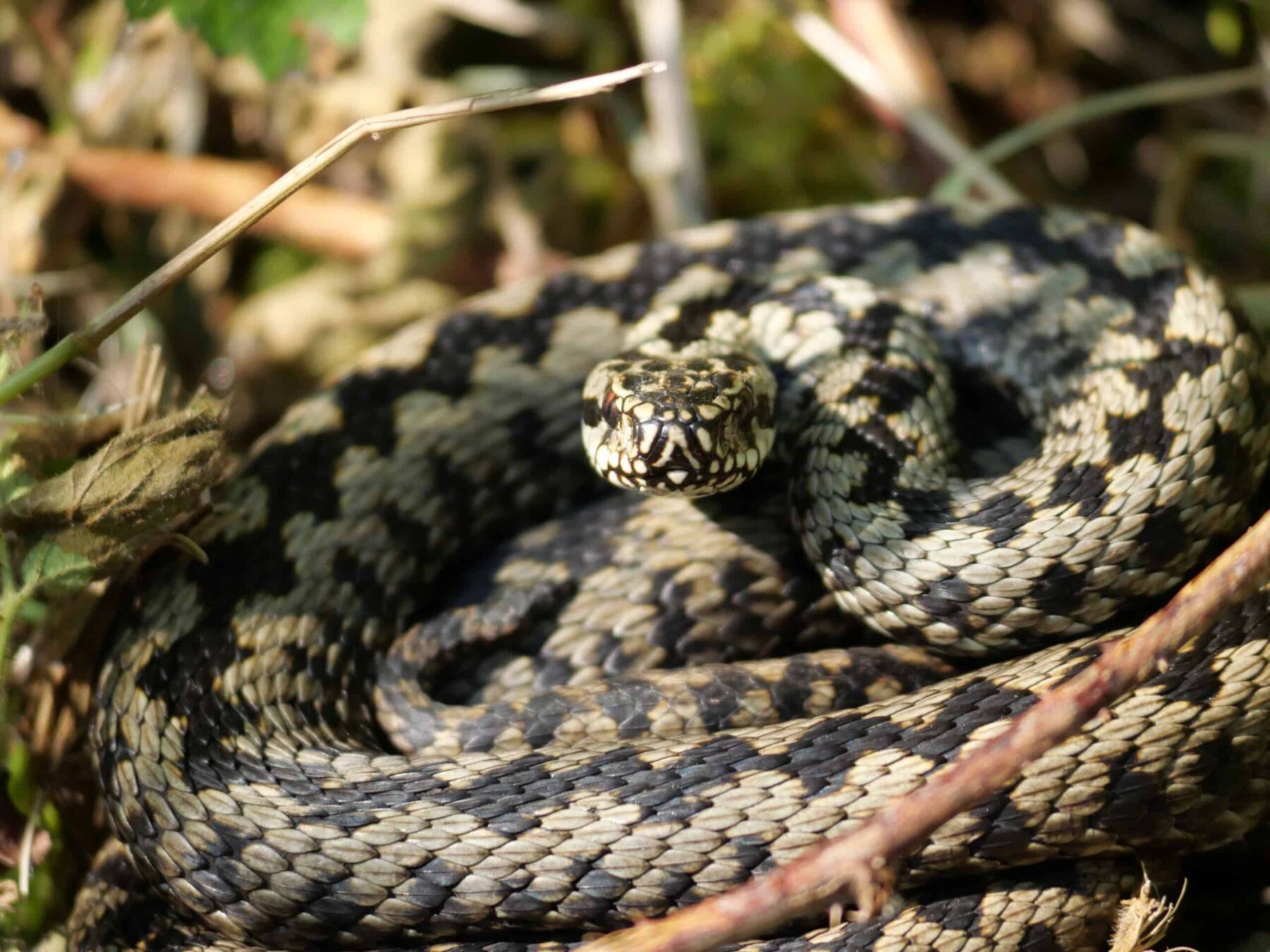
What happened next wasn't planned. When Hancock shared his findings in a staff WhatsApp group, something shifted. Colleagues started uploading their own wildlife photos. Then locals asked to join. Then they began logging sightings on iNaturalist, a global biodiversity platform. A casual workplace chat became a community obsession.
We're a new kind of news feed.
Regular news is designed to drain you. We're a non-profit built to restore you. Every story we publish is scored for impact, progress, and hope.
Start Your News DetoxMark Sumpter, a local resident invited in by farm founder Tim Mead, describes the group as transformative. He's now the person noticing deer and woodcock—a largely nocturnal bird that thrives in healthy soil—when he wouldn't have looked twice before. Matt Pluchino, an amateur photographer whose back garden overlooks the farm, has documented barn owls, migrating swans, and hares. The walks have become a regular thing. People are paying attention.
How Farming and Wildlife Actually Work Together
Yeo Valley's approach is called "land sharing"—the idea that a working farm can support biodiversity rather than work against it. It's different from "land sparing," where you set aside separate chunks for nature and farm the rest intensively. Here, the two coexist.
One practical example: mob grazing. The farm moves livestock frequently between small patches of pasture, mimicking how wild herds move naturally. This keeps soil healthy, which means steady populations of earthworms and beetles—food for skylarks and other birds. The system feeds itself.
"We're not just benefiting biodiversity, we're strengthening the resilience of the farming system itself," says Will Mayor, the farm's development manager. That matters. A farm that depends on chemical inputs and intensive practices becomes fragile. A farm that works with natural processes becomes more stable.
What started as an ecologist's survey and a farmer's curiosity has become something more interesting: proof that when people see wildlife thriving near them, they stop taking it for granted. The species spotting group hasn't solved agriculture's bigger problems, but it's shown one village what's possible when someone decides to measure—and share—what's actually living in their backyard.