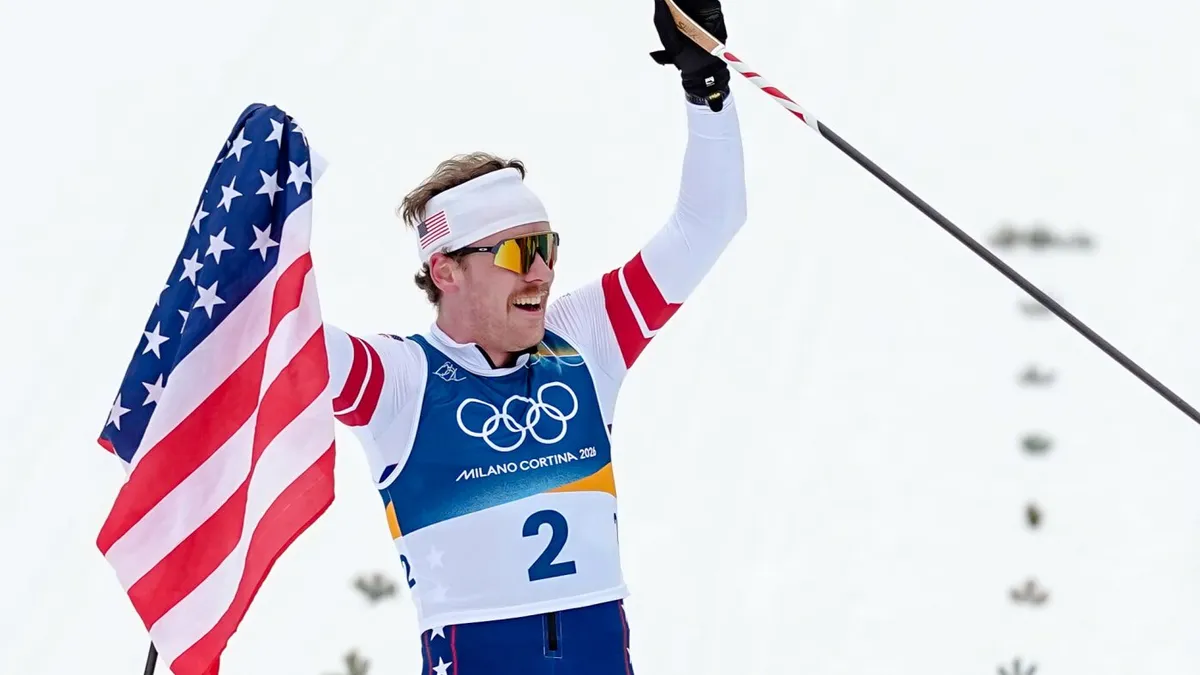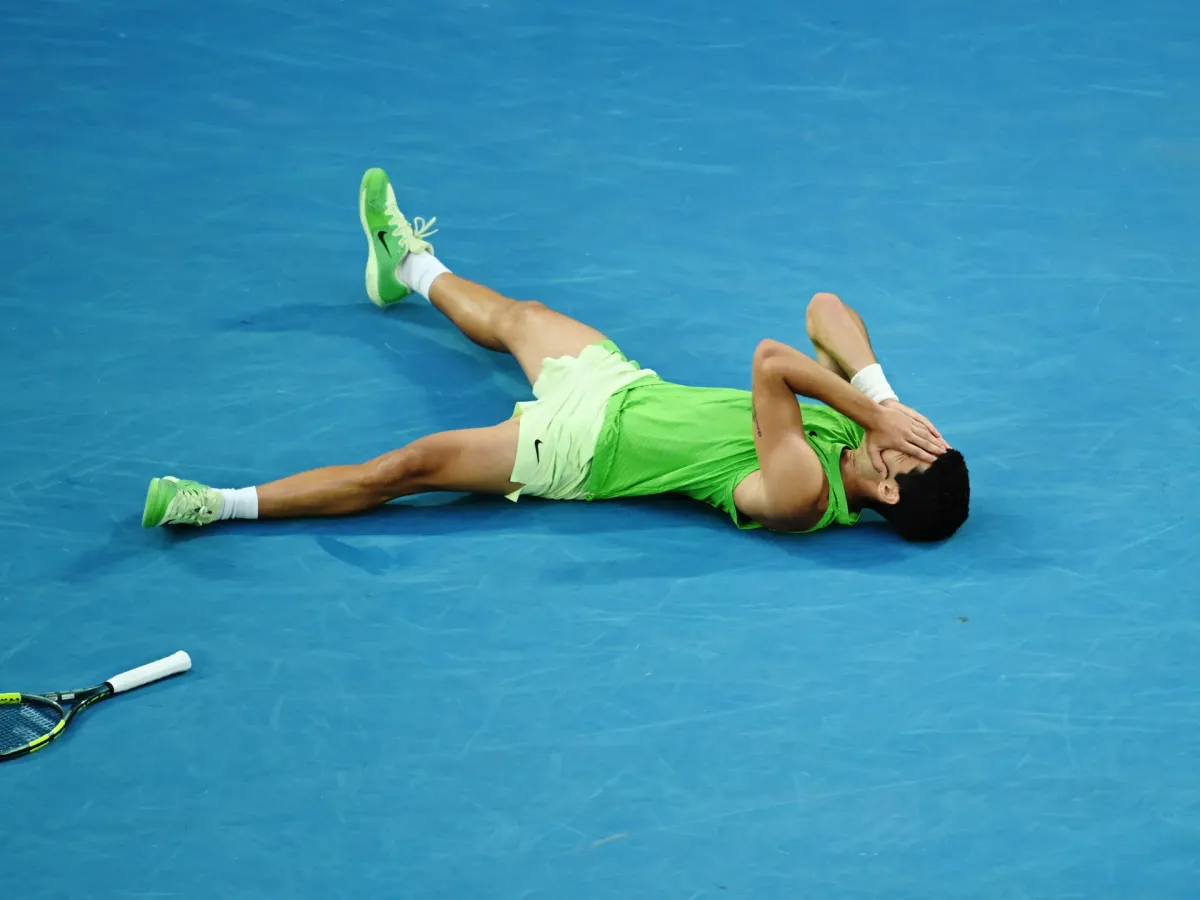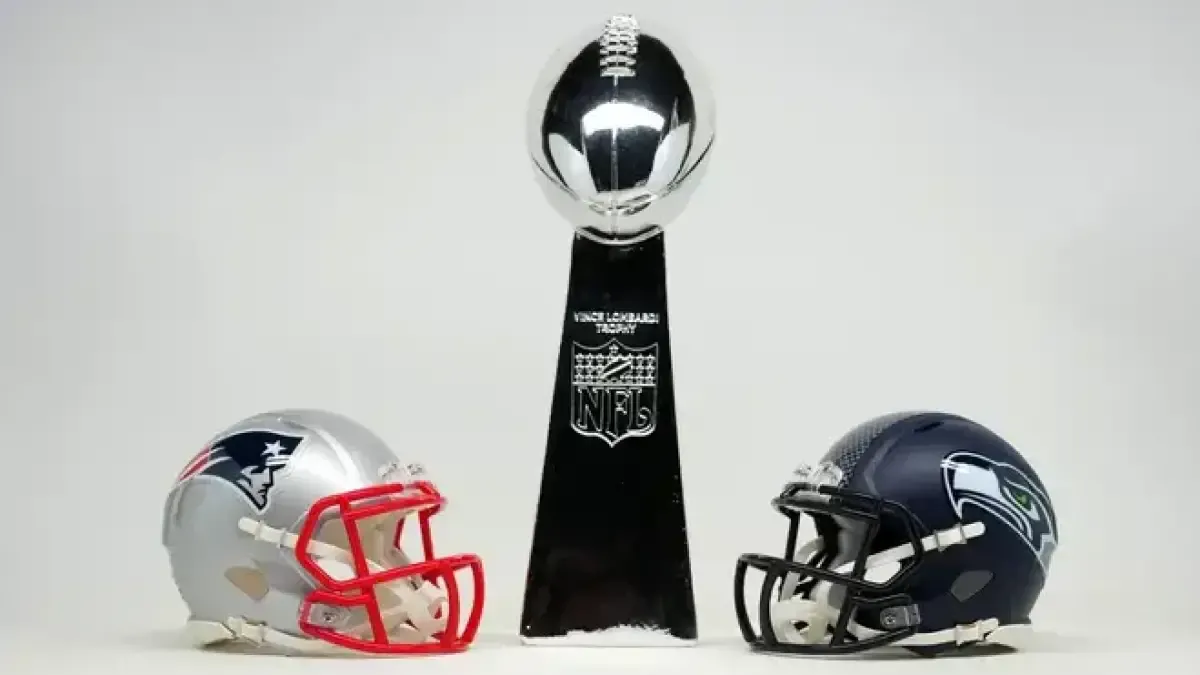
This Sunday, more than 100 million Americans will gather for the Super Bowl. In stadiums, living rooms, and sports bars across the country, millions of people with vastly different political beliefs will watch the same game, high-five strangers after touchdowns, and groan together over blown calls. For a few hours, the divisions that usually define American life simply disappear from view.
At a moment when the country feels fractured, this matters. It's worth paying attention to the spaces where people still come together—where politics genuinely recedes because something else has their full attention. Sports fandom is one such space, woven into the habits of millions.
But here's what's less obvious: the connection doesn't stop when the game ends.
The Engaged Fan Effect
Research from More in Common and FOX Sports in June 2025 found something striking. The most dedicated sports fans—those who follow closely and participate actively—are more likely to be registered voters, to vote in local elections, and to follow politics regularly. They give to charity more often, attend community meetings, donate blood, and volunteer. They're civically engaged in ways that matter.
We're a new kind of news feed.
Regular news is designed to drain you. We're a non-profit built to restore you. Every story we publish is scored for impact, progress, and hope.
Start Your News DetoxWhat makes this unusual is that their engagement doesn't come with the typical cost. In most of American life, the people most engaged in politics are also most likely to distrust the opposing party. Higher political engagement usually means deeper partisan division. Sports fans break this pattern.
Despite high levels of political participation, the biggest fans are actually more open to engaging across political differences—not less. Among the most passionate fans, nearly 7 in 10 say they'd be interested in a conversation with someone who holds opposing views, compared to just 46% of non-fans. More than 8 in 10 say they'd be willing to work with someone from across the aisle to improve their community, versus 65% of non-fans.
This openness appears across the political spectrum. Republican and Democratic fans alike have warmer feelings toward members of the opposing party and are more willing to collaborate than their non-fan counterparts.
Connection Where It's Needed Most
Sports fandom also reaches people who need connection most. The most dedicated fans are disproportionately men—and that matters. According to Gallup, 25% of American men aged 15 to 34 report feeling lonely "a lot" in their day-to-day lives, compared to 18% of women the same age and just 15% in peer democratic countries. Men are less likely to turn to friends or family for emotional support and report having fewer close friendships.
In this landscape, sports create something rare: a culturally acceptable space for emotional expression and connection. Three in four avid sports fans, male and female, agree that sports are a healthy way for men to express themselves. Most men don't sit down planning how to connect more meaningfully—they just sit next to a couple of friends and watch a game. Sports provide the structure, the shared interest, and the ease that makes openness feel natural.
Fans also report a stronger sense of belonging. They're more likely to disagree with the statement "There is no community where I feel a strong sense of belonging," and they're more likely than non-fans to see sports as a healthy outlet.
Sports fandom won't solve polarization or loneliness on its own. But it reveals something worth noticing: there are still large-scale spaces where people of different backgrounds show up, engage, and build trust. Sports remain one of our most diverse and most consistent shared rituals. This Sunday's Super Bowl won't fix what's broken in America, but for millions of people, it may quietly remind them that coming together is still possible.