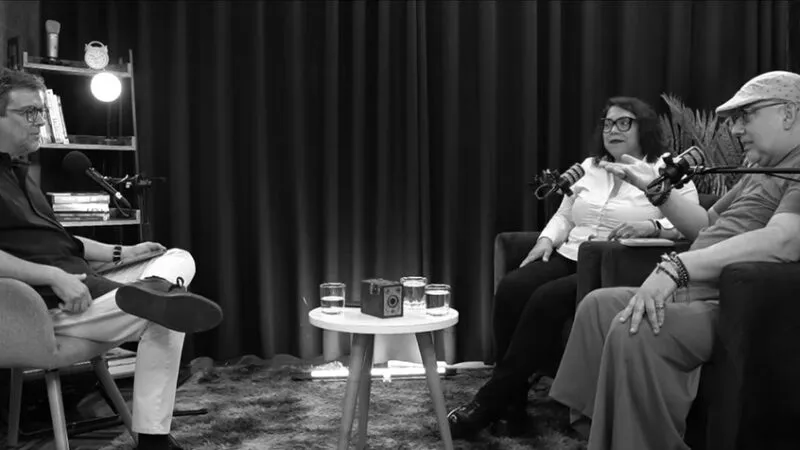

Indigenous scholar Tyson Yunkaporta has spent years studying how narratives—the stories societies tell themselves—determine whether we protect nature or exploit it. His conclusion is straightforward: we're living by the wrong story, and it's costing us.
Yunkaporta, of the Apalech clan (Wik) Lostmob Nungar, argues that at the heart of environmental destruction lies a fundamental lie. It's the story of the individual who takes what they want regardless of consequences, who treats the land as a resource to extract rather than a living system to reciprocate with. In his book Right Story, Wrong Story: Adventures in Indigenous Thinking, he traces how this narrative—one of separation and entitlement—has become so embedded in modern culture that we barely notice it anymore.
The damage runs deep because stories don't just entertain. They're the invisible architecture of how communities function. They teach us who we are in relation to the land, and that relationship determines everything downstream: how we govern, what we consider acceptable, whether we exploit or steward. When the story is wrong, the whole system follows.
We're a new kind of news feed.
Regular news is designed to drain you. We're a non-profit built to restore you. Every story we publish is scored for impact, progress, and hope.
Start Your News DetoxStories as Operating Systems
Yunkaporta illustrates this through Aboriginal lore. In the folk tale of Tidalik, a giant frog hoards all the water for himself, leaving the land dry. The animal kingdom doesn't fight him directly. Instead, they gather and make him laugh so hard he spits the water back out. The story isn't about punishment—it's about recognizing that hoarding breaks the system. Abundance only works when it circulates.
This is the inverse of the narrative that dominates modern economies: accumulation as virtue, scarcity as motivation, individual gain as the measure of success. Indigenous systems, by contrast, operated on different stories. Ones where your relationship to land came first, relationships with people second, and everything else followed from those two things being right.
What makes Yunkaporta's work significant is that he's not romanticizing the past. He's identifying a structural problem in how contemporary society thinks. The "wrong story" isn't just morally corrosive—it's practically unsustainable. A narrative built on endless extraction from finite systems doesn't work. It never has, across any civilization that tried it long-term.
The path forward isn't returning to some earlier way of living. It's recognizing that Indigenous knowledge systems spent thousands of years solving the exact problem we're facing now: how to live well without destroying the conditions for life. Those solutions are embedded in stories, laws, and practices that are still alive and being practiced.
What shifts when we listen to different stories? Governance changes. Land use changes. The metrics we use to measure success change. A community that tells itself "we are part of this ecosystem" makes different choices than one that tells itself "we own this resource."
Yunkaporta's work suggests that environmental restoration isn't primarily a technical problem waiting for the right technology. It's a narrative problem waiting for the right story.