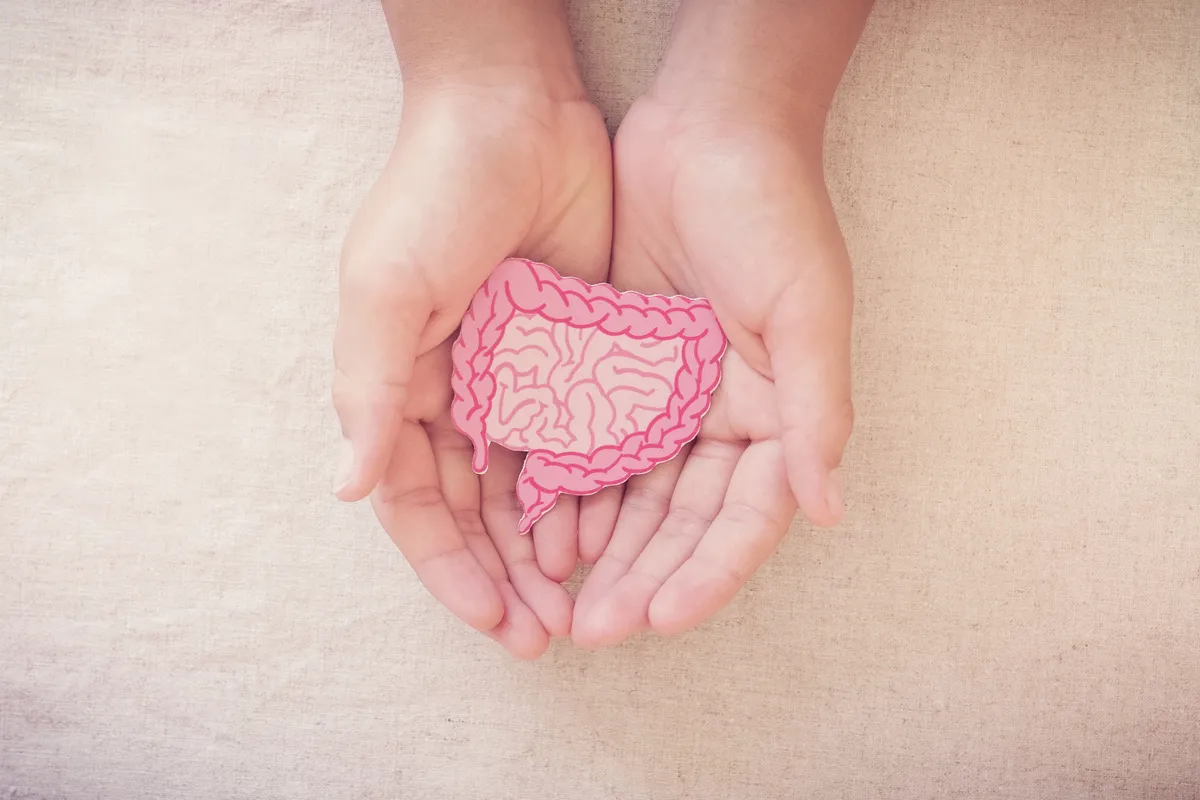
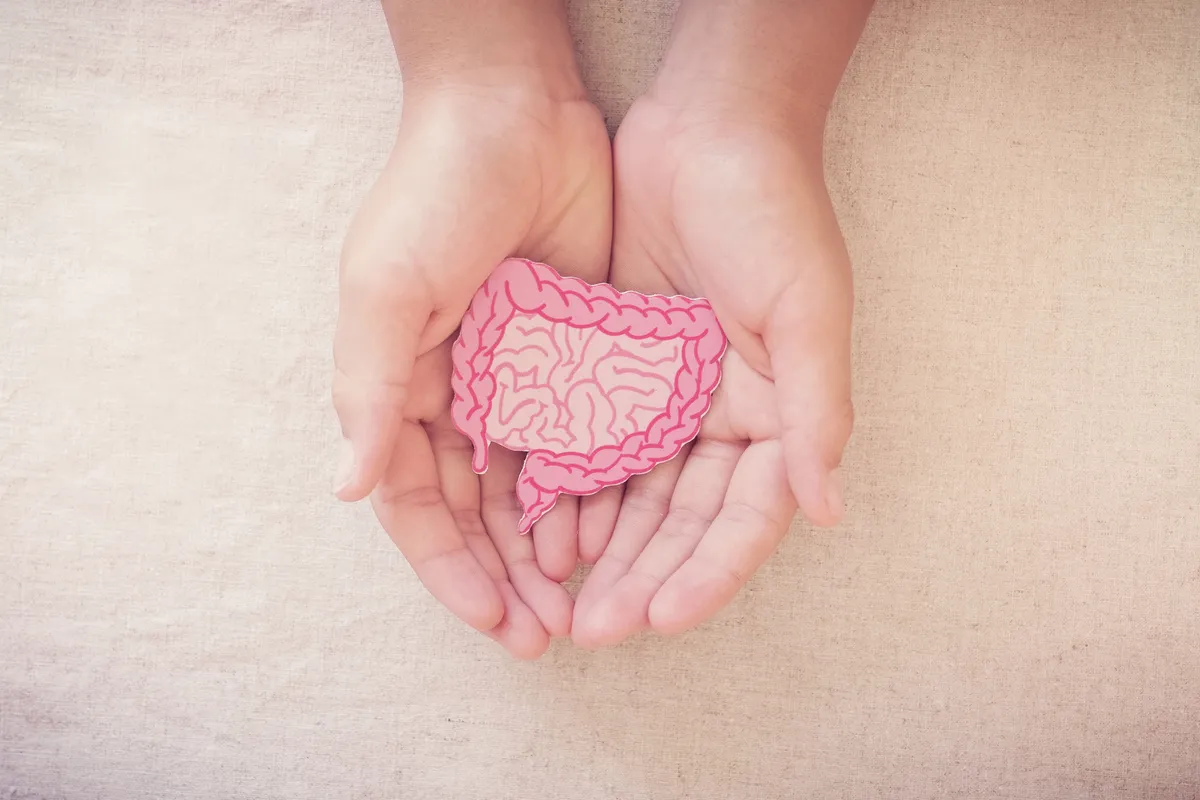
Ever feel like your insides are staging a quiet rebellion? Bloated, sluggish, generally off? You're not alone. Dr. Trisha Pasricha, a gastroenterologist in Boston, hears it all the time. But before she sends you off for a battery of tests, she suggests something surprisingly simple: a 30-day gut reset built on five small, daily adjustments.
And yes, one of them involves how you sit on the toilet. Because apparently, that's where we are now.
The Five-Step Fix
First, let's talk about that bathroom posture. Modern toilets, bless their ergonomically questionable hearts, often have us sitting with our knees level with our hips. This, it turns out, is the digestive equivalent of a kinked garden hose. A muscle near the end of your digestive tract tightens up, making things… less smooth. The fix? Elevate those knees. A simple stool (or even a small trash can, if you're resourceful) can relax that muscle, straighten things out, and make the whole process significantly easier. Patients are often genuinely shocked by the difference, which, if you think about it, is both impressive and slightly terrifying.
We're a new kind of news feed.
Regular news is designed to drain you. We're a non-profit built to restore you. Every story we publish is scored for impact, progress, and hope.
Start Your News DetoxNext up: fiber. Most of us aren't getting enough, and Dr. Pasricha wants us to eat it earlier in the day. Think high-fiber, high-protein breakfast. Then keep it going with raw veggies, lentils, or almonds. Psyllium husk is your friend if food isn't cutting it. Don't be alarmed if things get a bit more active — softer, more frequent stools are usually a sign of healthy digestion, not a problem. Many people, it turns out, have been subtly constipated for years without even realizing it.
Then, for 30 days, we play a little game of subtraction. Dr. Pasricha asks patients to reduce three major gut disruptors:

- Ultra-processed foods: These can mess with your gut lining and have been linked to some seriously unpleasant things like polyps and early-onset colorectal cancer. Best to give them a vacation.
- Alcohol: Your gut microbiome does not appreciate a nightly tipple. It's an irritant.
- NSAIDs: Ibuprofen, naproxen, even Excedrin. Regular use can damage your gut lining and lead to ulcers. If your doctor prescribed them, carry on. But if you're popping them daily for general aches, it's time for a gut check (pun absolutely intended).
Many find these cuts easier than expected and just… keep going after the 30 days are up. Go figure.
Move It, and Chill Out
Number four is movement. Your digestive tract likes a good walk, especially in the morning when your colon is most active. It stimulates those internal contractions, getting things moving in the right direction. Doctors even encourage post-surgery patients to walk for this exact reason. So, get your steps in. Even a short stroll can make a difference.
Finally, and perhaps most crucially, address your stress. The gut-brain connection isn't just a woo-woo concept; it's real. Stress can throw your gut bacteria out of whack and mess with its rhythm. Dr. Pasricha includes stress reduction as a non-negotiable part of the reset. How you do it is up to you — more sleep is a great start, and that morning walk can do double duty. The point isn't to eliminate stress, but to acknowledge it as a very real factor in how your stomach feels.

After 30 days, it's not about achieving digestive perfection. It's about understanding your body better. Some changes will stick because they just feel right. Others might highlight what still needs attention. Thirty days of small, consistent tweaks could give you a much clearer picture of what your gut actually wants. And maybe, just maybe, a happier toilet experience.