A new review suggests that exercising more and eating more protein than current minimums could help people stay stronger, sharper, and more independent as they get older. The goal is not just to look good, but to extend how long people can live healthy, active lives.
This idea comes from a paper in Frontiers in Nutrition. It argues that most health guidelines focus on preventing problems, not on helping people achieve their best possible health and quality of life.
Dr. Chris Macdonald, from Lucy Cavendish College, University of Cambridge, wrote the paper. He says there's growing evidence that higher levels of physical activity and protein might be better than what's currently recommended.
We're a new kind of news feed.
Regular news is designed to drain you. We're a non-profit built to restore you. Every story we publish is scored for impact, progress, and hope.
Start Your News Detox"Public health advice often focuses on the minimum people need to avoid problems," Dr. Macdonald noted. "But many people want to know what they should do to remain strong, independent, and mentally sharp throughout life."
Exercise for Healthy Aging
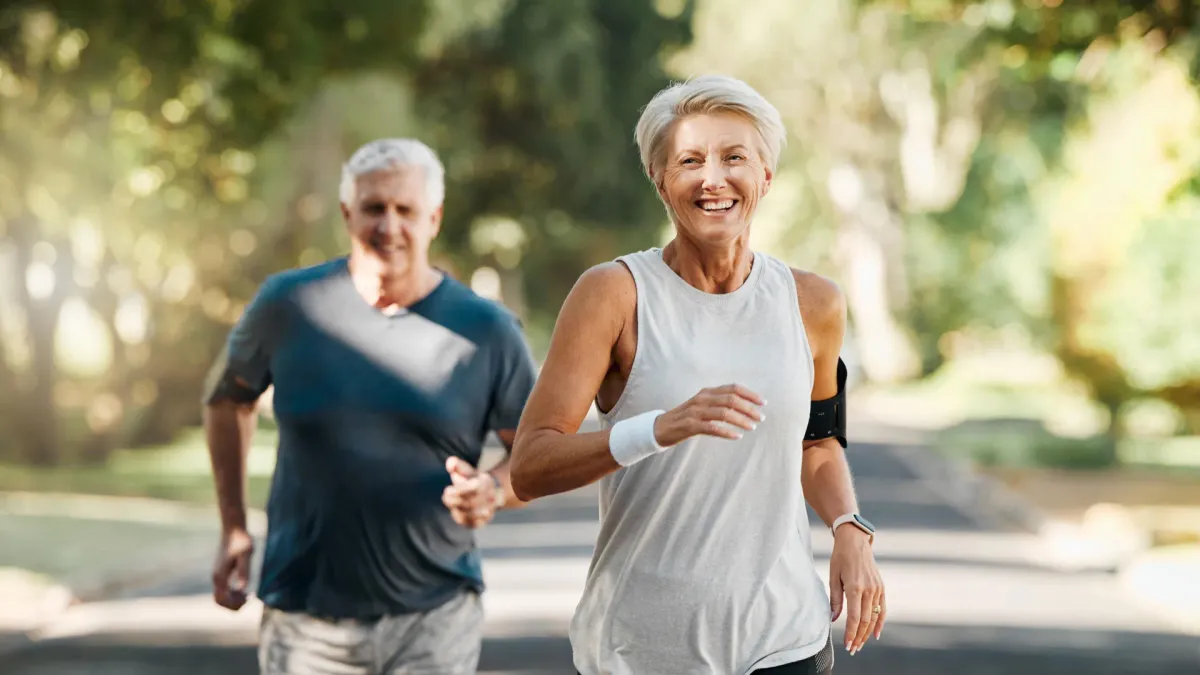
The paper looked at research showing that regular exercise offers many health benefits. These include a lower risk of death, better mental health, stronger thinking skills, and more resistance to age-related decline. Combining aerobic activities like walking or cycling with resistance training seems to be especially helpful.
Dr. Macdonald believes physical activity should be seen as a way to keep strength, mobility, and independence throughout life, not just to avoid illness.
Protein Beyond the Minimum
The review also examined protein recommendations. Current guidelines in places like the UK aim to prevent protein deficiency in adults who don't exercise much. However, newer research suggests that people who are physically active, older adults, and pregnant women might need significantly more protein.
The review also found that diets higher in protein can help with fat loss. This is because protein makes people feel fuller and burns more calories during digestion.
It's important to note that getting enough protein doesn't mean only eating meat. Well-planned plant-based diets can also provide plenty of protein, as shown by many vegan athletes.
Moving Towards Optimal Health
Dr. Macdonald suggests adding new guidelines that focus on "optimal health outcomes," rather than just replacing existing ones. He thinks people need clearer, more practical information on how exercise and nutrition can support long-term physical and mental performance.
He also believes society needs to change how it views exercise and protein.
"High-intensity exercise and high-protein diets are often associated with bodybuilders and superficial aesthetic goals," Dr. Macdonald explained. "However, these approaches also empower the general population to extend their lifespan and healthspan."
He added that it's not about having "abs" but about being able to play with and remember grandchildren. He suggests that many age-related health issues are not inevitable but come from a lifestyle that isn't based on evidence.
"We should not be quick to normalize and accept the consequences of a largely sedentary lifestyle," he said. "We should proactively empower people to reclaim their health and their independence. The reduction in unnecessary suffering would be profound."
Deep Dive & References
Beyond the bare minimum: the case for revised physical activity guidelines and protein intake recommendations that maximise healthspan - Frontiers in Nutrition, 2026