Turns out, the most potent drug on the market isn't found in a gleaming pharmacy aisle. It's already built into your body, and it's called movement. Even tiny doses, scientists say, can dramatically improve your health and kick disease to the curb.
Researchers at South Africa's Wits University have been digging into this, and what they've found is pretty wild: movement isn't just a nice-to-have; it's a powerful preventative, a recovery accelerator, a mental health guardian, and even a factor in cancer outcomes. And here's the kicker: your body responds to not moving alarmingly fast. We're talking measurable changes after just one day of slacking off.
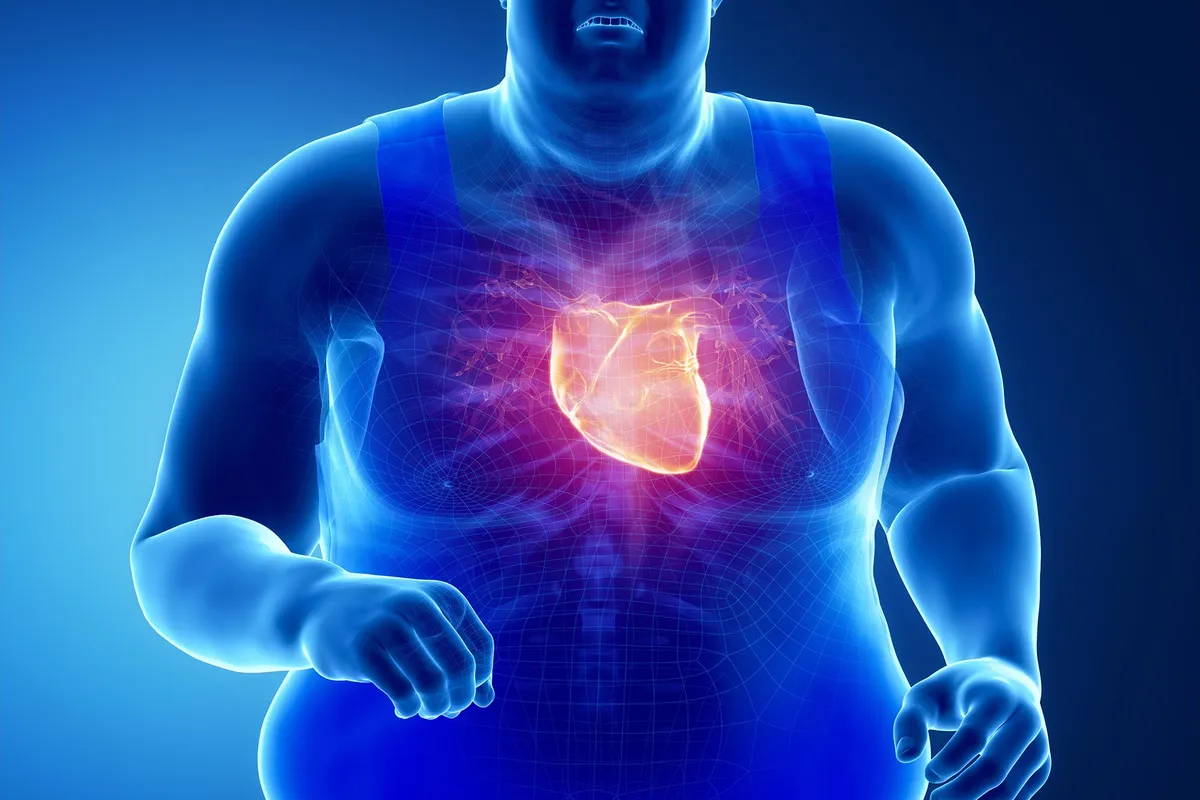
Professor Demitri Constantinou put it plainly: humans are engineered to move. Stop, and the decline is swift. His team observed that a single sedentary day impacts the heart, blood vessels, and muscles. Conversely, physical activity unleashes a cascade of beneficial molecules, boosting cell health, regeneration, and immunity. All this from something as simple as standing up. Let that sink in.
We're a new kind of news feed.
Regular news is designed to drain you. We're a non-profit built to restore you. Every story we publish is scored for impact, progress, and hope.
Start Your News DetoxStand Up. Seriously.
Constantinou isn't asking you to run a marathon (unless you want to, of course). He's saying any movement is better than none. Standing instead of sitting? That alone makes a measurable difference. His department has studied everyone from desk jockeys to post-op patients, and the results are consistent.
They found that exercising before surgery (prehabilitation) and after (rehabilitation) improved healing, slashed complications, and generally made life better. Constantinou calls exercise a powerful, underutilized tool, especially when a sedentary lifestyle is, frankly, detrimental.
Professor Philippe Gradidge, who studies physical activity and obesity, backs this up. He emphasizes that movement isn't just about intense workouts. It's the small, everyday stuff: walking, stretching, even just fidgeting a bit. These micro-movements can lift your mood and improve your physical well-being.
His team even showed that standing desks can improve posture, reduce back pain, and help office workers focus. And those 10,000 steps everyone talks about? New evidence suggests as few as 2,000 to 4,000 steps daily can help reduce symptoms of depression. Movement helps manage pain, stress, and blood pressure. It makes you more attuned to your own body. The goal, he says, is to build a world where moving is easy and joyful.
The Doctor's New Prescription Pad
Professor Jon Patricios, a sports science expert, agrees that small increases matter, but he still champions the World Health Organization's guideline of 300 minutes of moderate exercise per week. Why? Because the benefits are just too vast to ignore.
Patricios co-authored a study in the British Journal of Sports Medicine that revealed just 60 minutes of weekly exercise can reduce the chance of cancer worsening by 27% and death by a staggering 47%. That's the kind of number that should make doctors grab their prescription pads.
He calls regular physical activity the most powerful and accessible prescription available to patients. And it's free. Well, mostly.
Wits University is clearly taking this to heart, building the Wits Brian and Dorothy Zylstra Sports Complex, set to open in 2026. This isn't just a gym; it's a hub for advanced training, research, and clinical practice, bringing together healthcare pros and scientists to push the boundaries of movement as medicine. Students and the public will have access, because apparently, that's where we are now.
Dr. Georgia Torres, a researcher at the complex, dreams of a world where movement is simply part of daily life, even in communities where formal exercise feels out of reach. She points out that movement offers a crucial sense of control.
The real challenge? Designing our cities for active living. We need pavements, parks, and public transport that encourage movement, not hinder it. Free events like Parkruns are a great start. Torres concludes that movement is about prevention, connection, and empowerment. It's the simplest science, yet often the hardest habit to form. So, stand up. Stretch. Take a walk. Your body will thank you.