For decades, the idea of using psychedelics to improve a healthy brain was largely confined to, well, certain music festivals. But now, scientists are getting serious. A new study is about to explore if psilocybin — the active compound in magic mushrooms — can actually help healthy, aging brains stay sharp.
This isn't about treating a diagnosis; it's about optimizing the brain's natural ability to adapt. And for the first time, the focus is squarely on adults between 60 and 85 years old. Because apparently, even the golden years could use a little extra sparkle.
The PLASTICITY Project: A Brain Tune-Up?
Led by the UC Berkeley Center for the Science of Psychedelics, the appropriately named PLASTICITY study wants to see if psilocybin can boost brain plasticity. That's the brain's remarkable talent for changing and forming new connections, which is pretty much the secret sauce for learning and memory. Think of it as your brain's internal gym membership, and researchers are wondering if psilocybin is the new protein shake.
We're a new kind of news feed.
Regular news is designed to drain you. We're a non-profit built to restore you. Every story we publish is scored for impact, progress, and hope.
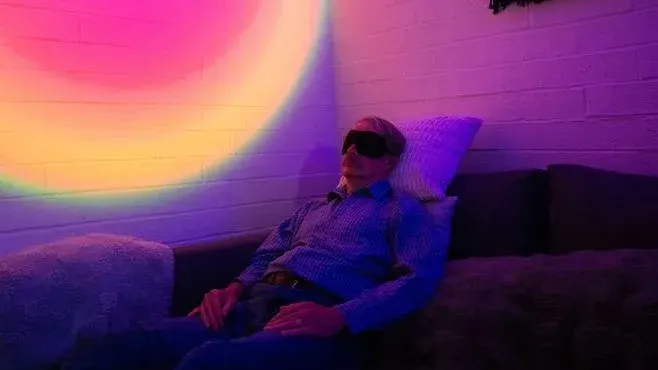
Start Your News DetoxParticipants will take a dose of psilocybin, then jump into a battery of tests measuring perception, emotions, and memory. Before and after, they'll get brain scans to track structural and activity changes. Oh, and surveys about their general well-being. Are they feeling more connected? Less isolated? Suddenly curious about interpretive dance? The researchers want to know.
Tyler Toueg, who co-designed the study, is particularly jazzed about focusing on healthy older adults. Most trials, he notes, target people with existing conditions. This study asks: what if we could just make good things better? Michael Silver, another designer, sees it not just as a potential mental health tool, but as a way to peek behind the curtain of how our brains construct reality.
How a Little Fungus Might Make a Big Difference
After decades of being shoved into the scientific equivalent of a dusty attic, psychedelic research is having a moment. Thanks to groups like the Multidisciplinary Association for Psychedelic Studies, the field is wide open again. And the results have been, shall we say, intriguing. A 2023 trial found a single psilocybin dose, combined with therapy, significantly eased depression. Even some governments, like Oregon and Australia, are now on board with supervised psilocybin therapy for specific conditions.
So, how does it work? Scientists are still decoding the full mechanism, but it seems psilocybin quickly reorganizes connections between brain cells, particularly in the hippocampus — that crucial hub for learning and memory. In young brains, these connections are super flexible. With age, or conditions like depression, that flexibility often declines. Psilocybin might just hit the reset button, nudging the brain back to a more youthful, malleable state.
Animal studies offer tantalizing clues. Rats shifted from dark moods to more exploratory behavior. Mice temporarily regained brain malleability and became more social. They even showed increased sensitivity to oxytocin, the so-called "love hormone." Basically, it seems to put neurons in a prime state for making new friends.
And it's not just the brain. Research has even found a link between the brain and spleen that influences fear and anxiety. Psilocybin suppressed inflammatory immune cells and reduced anxiety in stressed mice. So, increased plasticity and reduced inflammation? That's a double whammy against the less charming aspects of aging.
As Toueg puts it, we lose synaptic connections as we age, especially in the hippocampus. And the mental states influenced by psychedelics? They often overlap with those linked to successful aging: a sense of purpose, emotional control, and a good dose of awe. Which, if you think about it, is a pretty solid wish list for anyone.
The Road Ahead
The PLASTICITY trial, which started enrolling last November, is going deep. Participants get assessments for thinking, vision, and detailed MRI scans to pinpoint tiny changes in the hippocampus and observe brain activity during learning and memory tasks. They'll also check for increased vagus nerve activity, linked to better stress recovery. Then, the detailed surveys about emotional responses and outlook changes.
Depression, anxiety, and stress are all linked to worse aging outcomes. On the flip side, purpose, emotional control, and a sense of awe are linked to more successful aging. The trial aims to see if psilocybin can actually foster those positive traits. So far, two volunteers have completed tests, and the goal is to dose 20 people by the end of 2026. Because, let's be honest, who wouldn't want a little help staying sharp and curious? Especially if it comes from a mushroom.
Older adults are notoriously underrepresented in psilocybin trials — only about 1.4% are 65 or older. Which is a shame, because they might just have the most to gain. Silver believes this study will bridge the gap between animal findings and older humans, providing crucial data for future research on aging, thinking, and mental health. Toueg agrees, stating that no matter the results, this study will impact how we think about helping the aging brain. And that, dear reader, is a trip worth taking.