Ever feel like you're not quite seeing a student clearly? Turns out, our brains play sneaky tricks on us, even for the most caring teachers. But a clever new approach shows how you can actually train your brain to ditch bias and connect with every student.
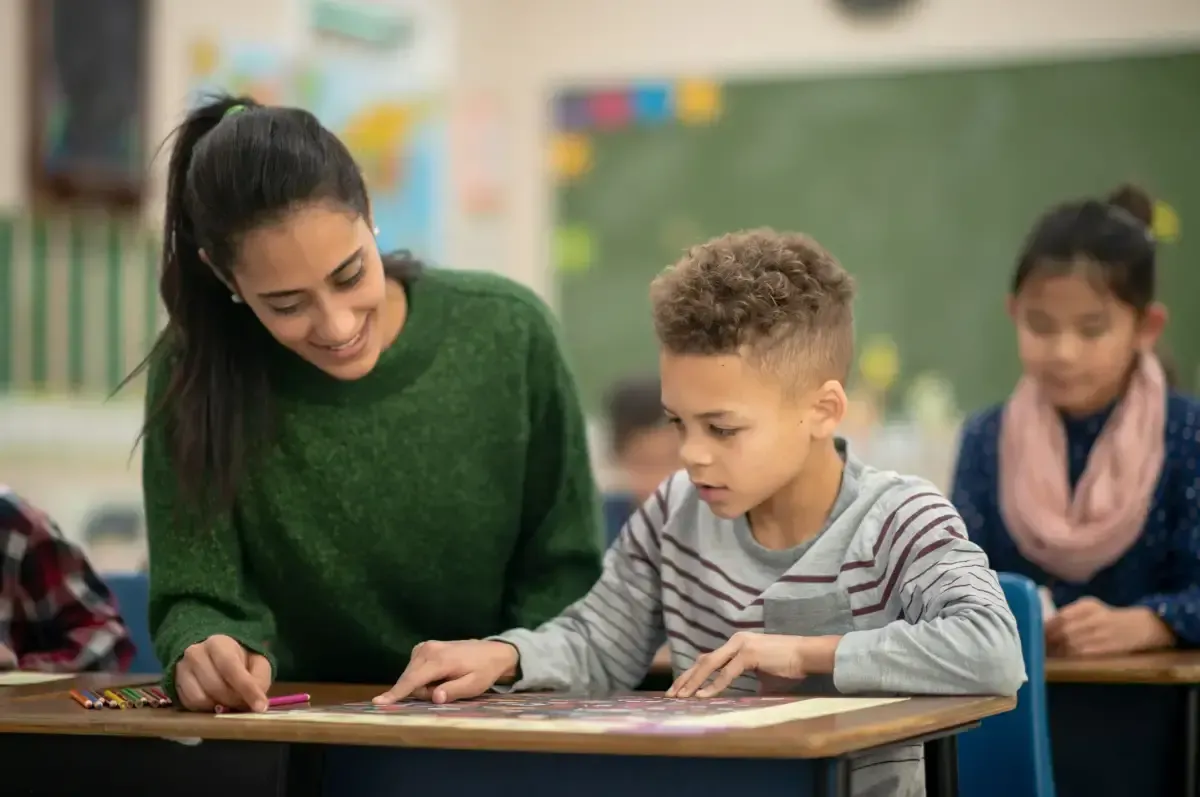
Think back to the teachers who truly 'got' you. Those connections stick with us, shaping who we become. Research is super clear: positive student-teacher bonds don't just boost grades. They improve social skills, emotional growth, and even long-term physical and mental health. Seriously cool, right?

Teachers benefit too. When you click with your students, you feel more effective and happier. But here's the catch: a thing called implicit bias can get in the way. This isn't about being intentionally unfair. It's about unconscious attitudes and stereotypes that sneak into how we see people.
We're a new kind of news feed.
Regular news is designed to drain you. We're a non-profit built to restore you. Every story we publish is scored for impact, progress, and hope.
Start Your News DetoxFor example, a teacher might unconsciously assume an Asian student is quiet and self-reliant, or a Black student is loud. Even if they believe everyone is equal, these hidden biases can make them miss who a student really is. The good news? Understanding this brain glitch helps us fix it.
Why Our Brains Play Tricks

Our brains are wired for speed. They take shortcuts, especially when we're tired, stressed, hungry, or short on time. These moments are called "vulnerable decision points," and teachers hit them daily. This is when implicit bias is most likely to kick in.
These biases aren't just minor annoyances. They contribute to real problems in schools, like gaps in academic success and discipline issues. Students of color often report less strong relationships with teachers, and implicit bias is a big part of why. It determines if a student feels seen or invisible.

Past efforts tried to erase bias, which is super hard. But new research found a smarter way: disrupting it before it turns into unfair actions. And here's the kicker: changing our actions can actually weaken the bias over time. It's like retraining your brain!
Three Steps to Rewire Your Teaching Brain
Neuroscience points to three steps to stop bias from taking over:
- Spot the clash: Notice when your automatic reaction doesn't match your true teaching values.
- Hit pause: Before you react, take a breath. This gives you a tiny window to choose differently.
- Choose your values: In that pause, pick a response that reflects the educator you want to be.
Think of it like planning for your own needs, just like you plan for students. Here's how to put it into action.

Step 1: Get Curious and Pick a Target
Start by thinking about your core values as an educator. What kind of classroom do you want to create? How do you want students to feel? Then, pick one student you want to connect with better.

Reflect on your typical responses when things get tough with them. Are you acting according to your values? Consider if any unconscious beliefs about their background might be at play. Also, think about those "vulnerable moments" – when are you most likely to make quick judgments? Once you've thought it through, decide on one specific behavior you want to change.
For instance, a teacher might realize they value connection but aren't showing it with Justin, a 15-year-old who struggles with transitions. The teacher wonders if they're unconsciously holding him to an unfair maturity standard. Their plan? Instead of calling him out, they'll give Justin a quiet heads-up before transitions and check in privately if he needs more time. This swaps frustration for an invitation.

Step 2: Tune In and Try It Out
This is where the rubber meets the road. Your body often gives you clues before your mind does – a clenched jaw, a knot in your stomach. When you feel that reactive impulse, hit pause. Take a few deep breaths. This small pause helps you shift from reacting to being intentional.

Then, try your new behavior. It doesn't have to be perfect. The goal is just to respond with your values. For example, the teacher gives Justin a heads-up. He still isn't ready. The teacher feels that familiar frustration but, instead of a public correction, walks over and quietly checks in. Justin grumbles but starts packing up. Even this small shift offers valuable info.
Step 3: Talk It Out with Others
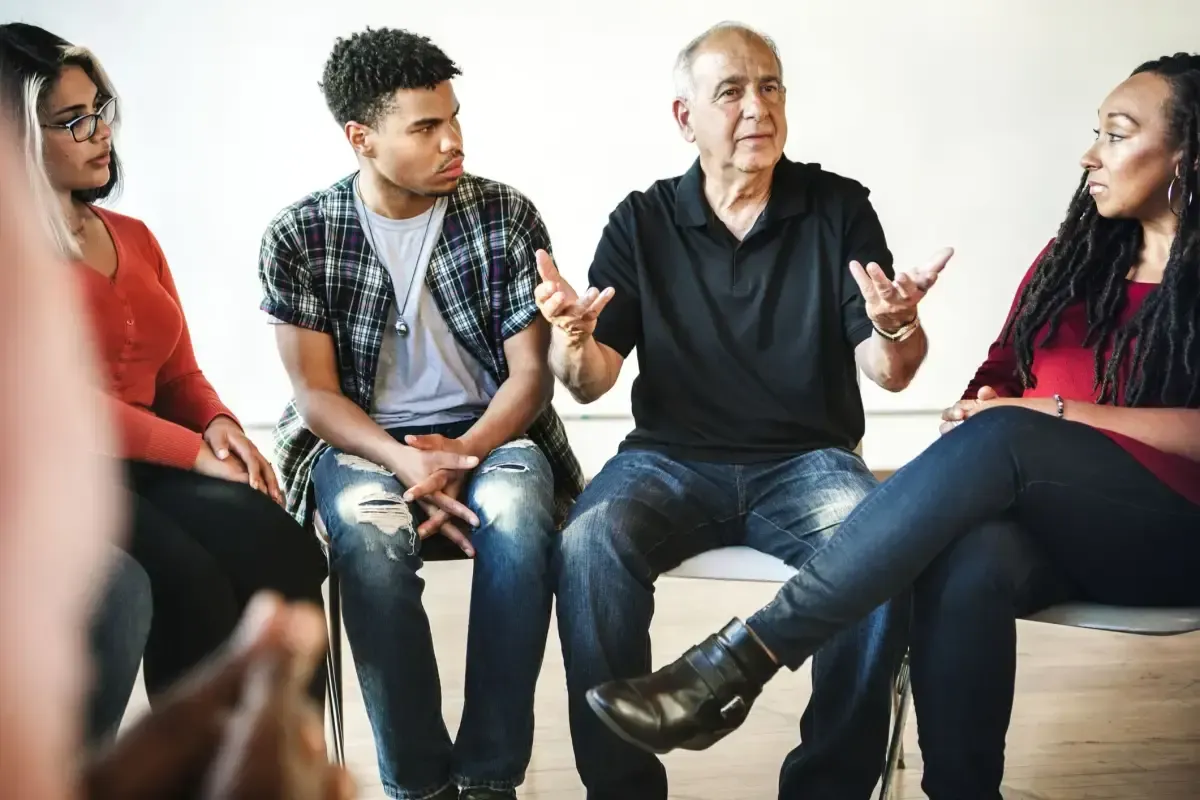
This step is crucial. Share your experiences with trusted colleagues. They can offer fresh eyes and help you spot things you might miss. Describe what happened, then talk about your interpretations. Did you assume something negative about Justin's grumbling?
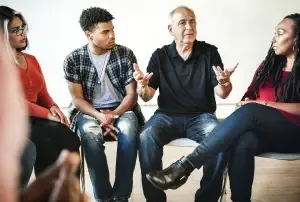
Your colleagues can offer other ideas: maybe Justin was just super focused on his work, not being disrespectful. Together, you can decide what to try next. Maybe the teacher will acknowledge Justin's effort next time. Or perhaps they'll design lessons with fewer transitions for students who need more time.
Every time you choose your values over bias, you're not just changing one relationship. You're shaping a whole classroom and school environment. It helps you see students for who they are and who they can become, and helps you become the educator you truly want to be. That's pretty powerful.