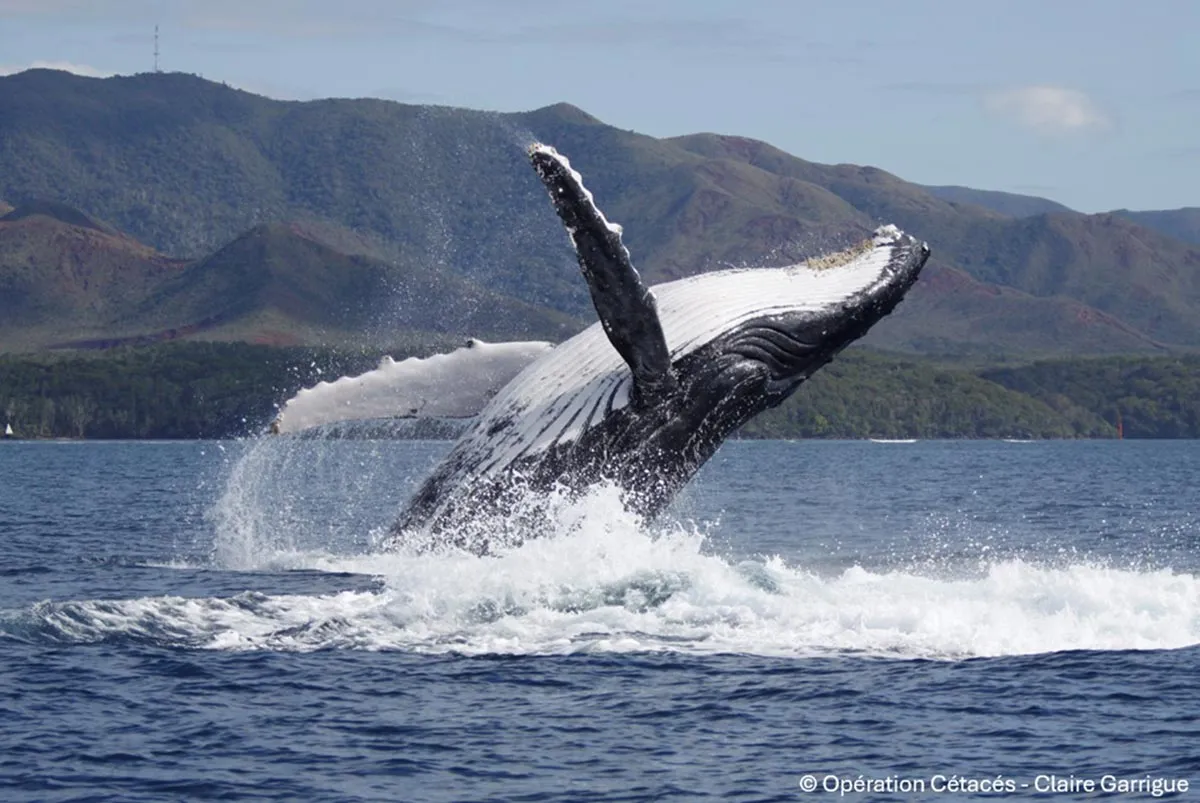
Humpback whales are making a comeback — and that recovery is changing which males get to pass on their genes.
New research from the University of St Andrews tracked nearly 20 years of breeding data from humpbacks near New Caledonia and found something unexpected: as populations rebounded from commercial whaling, older males increasingly outcompeted younger rivals to father calves. It's a hidden shift that reveals how the scars of exploitation don't simply fade when hunting stops.
The Age of Experience
For most of the 20th century, whaling decimated whale populations worldwide. When hunting finally slowed and protections kicked in, the numbers began to climb back. But the legacy lingered in ways scientists are only now beginning to understand.
We're a new kind of news feed.
Regular news is designed to drain you. We're a non-profit built to restore you. Every story we publish is scored for impact, progress, and hope.
Start Your News DetoxIn the early stages of recovery, the breeding grounds were dominated by young males — the survivors who'd grown up in a depleted population. Over time, as more older whales returned, the dynamic shifted. Those experienced males started winning more mating contests, fathering more calves. The pattern was clear in the genetic data: age now confers a reproductive advantage in ways it didn't when populations were bottlenecked.
Dr. Ellen Garland, who led the research at the Sea Mammal Research Unit, explained the shift plainly: "Mating behavior, and who was successful at mating, changed with these shifts in age structure. As the population recovered, there were more older males than expected singing, escorting females, and successfully fathering calves compared to younger animals."
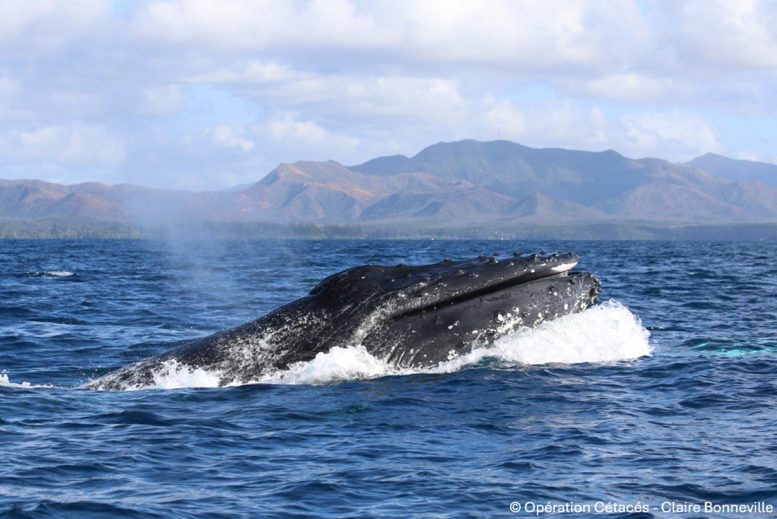
Male humpbacks compete through some of the most intricate vocal displays in the animal kingdom — songs that travel across vast breeding areas and attract mates. They also escort females and engage in intense physical confrontations with rivals. The research suggests that males need years to develop and refine these strategies. Experience matters. With time, a male's songs become more sophisticated, his competitive instincts sharper.
What Whaling Stole (and Still Steals)
The study reveals something sobering: scientists have spent decades studying whale populations that were already profoundly altered. Most modern whale research began during or after the commercial whaling era, meaning researchers have only ever seen populations in recovery — not in their natural state. We're still learning what normal looks like.
Dr. Franca Eichenberger, the study's lead author, put it directly: "It is only now, as whale populations recover and new analytical tools become available, that we are beginning to understand how far-reaching the consequences of whaling truly are. The impacts extend beyond population size — they shape behavior, competition, and reproduction."
To trace paternity, the team used genetic testing on skin samples collected from the whales. They also employed an "epigenetic molecular clock" — a technique that estimates age from those same samples. Humpbacks have never been directly observed mating in the wild, so this genetic detective work was the only way to piece together who fathered which calves.
The findings underscore why long-term monitoring matters. Humpback populations have shown a remarkable recovery in recent decades, but that recovery is still unfolding. As older males return and females become more selective, the social dynamics continue to shift. Understanding these changes — how the whales are rewriting their own behavioral rules as they rebuild — is essential for knowing what recovery actually looks like.