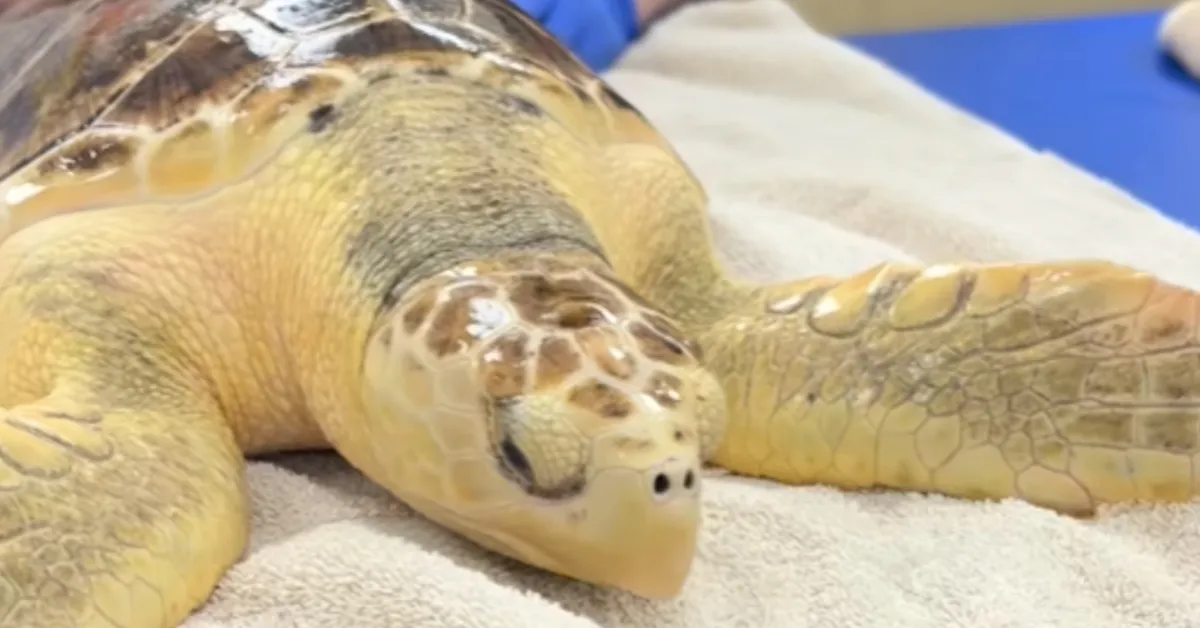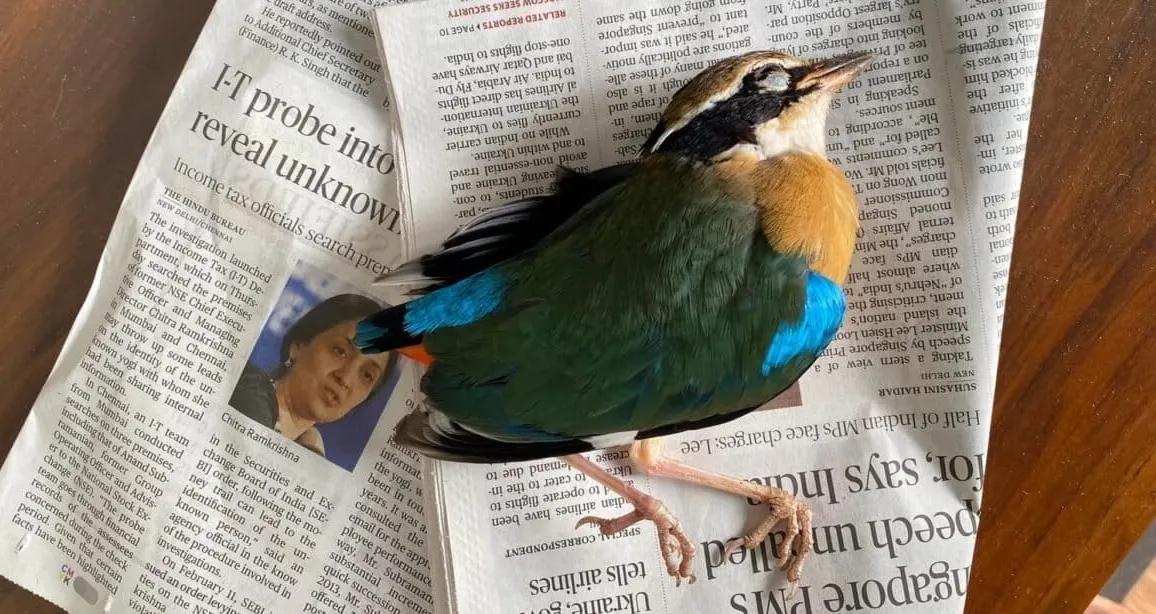
Turns out, you're not the only one who occasionally walks into a clean pane of glass. Birds do it all the time, often with far more tragic results. And in India, where the problem has largely flown under the radar, experts are just starting to grasp the sheer scale of the issue.
See, while we humans learn that glass is a solid, transparent barrier, birds see something else entirely: a perfectly reflected sky, a lush tree line, or an inviting bit of foliage. They think it's real. They fly toward it. Thwack. The party's over.

Take February 2022, when a dozen rosy starlings met an untimely end against a glass building in Gujarat. Or just this past January, when several long-tailed broadbills mistook a car showroom in Meghalaya for open air. These incidents make the news, sure, but until recently, there hasn't been any organized data to connect the dots.
We're a new kind of news feed.
Regular news is designed to drain you. We're a non-profit built to restore you. Every story we publish is scored for impact, progress, and hope.
Start Your News DetoxThe Silent Threat
Thankfully, some sharp minds are on the case. A 2025 study (yes, a study from the future, apparently) in the Nilgiri Biosphere Reserve documented 35 collisions in a single year. These weren't just sparrows, either. Twenty-two different species were involved, including the rather distinguished Nilgiri wood pigeon.
And here's the kicker: these collisions weren't just with towering skyscrapers. Even two-story buildings were death traps. As architect and bird-watcher Peeyush Sekhsaria points out, many Indian birds routinely fly as high as the fourth floor, putting most urban structures squarely in their flight path. So, your average office block? It's basically a giant, invisible predator.
To get a clearer picture of this feathered catastrophe, Sekhsaria teamed up with ecologist Ashwin Viswanathan in 2020 to launch Bird Collisions India. They've turned to the iNaturalist app for a citizen science effort, allowing anyone to report a collision. By April 2026, the project had logged nearly 88 incidents. It's a start, offering a much-needed glimpse into a problem that's been hiding in plain sight. Because if we can't see the problem, how are the birds supposed to?