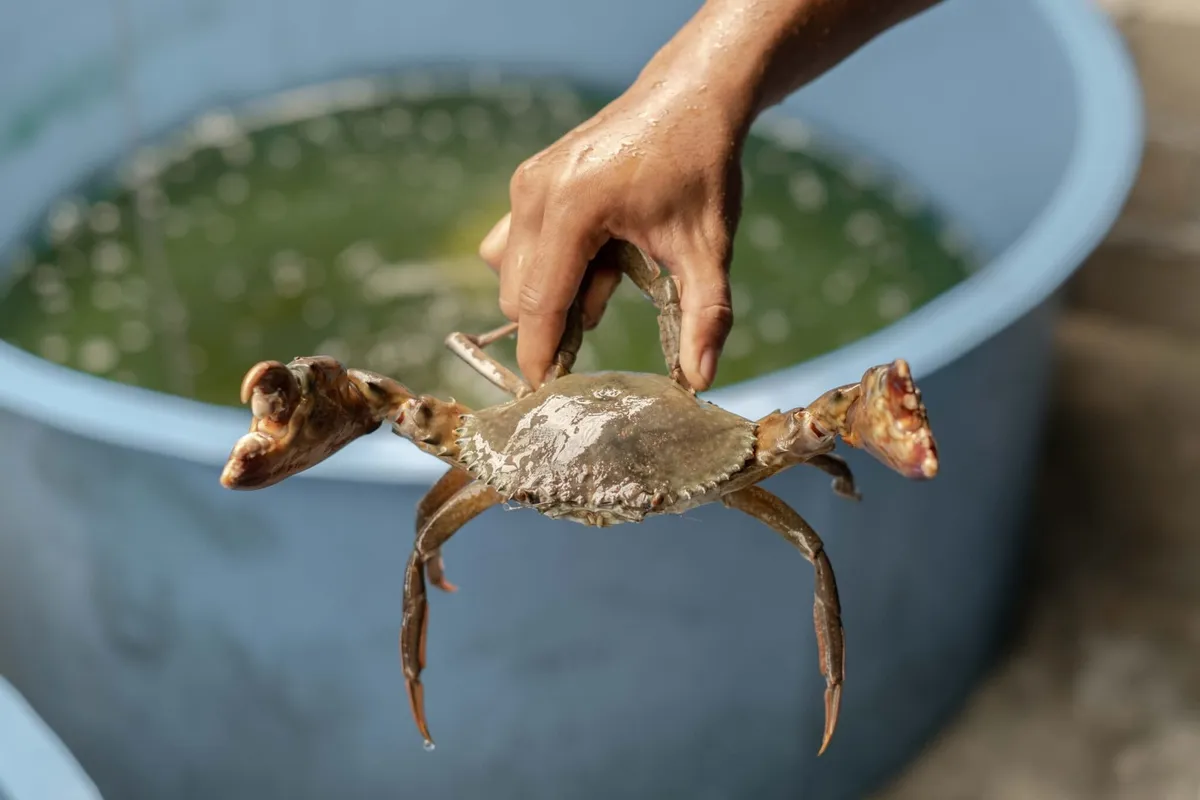
Jamil, a 63-year-old from Sugian village in Lombok, Indonesia, recently stood by a pond, bucket of fish guts and chicken heads at the ready. He wasn't prepping for a particularly unappetizing dinner. He was waiting for mud crabs to wake up and eat.
Turns out, mud crabs are a big deal around here. They used to be caught in the wild, traps set in estuaries, and then sold off. No one really bothered to spare the young or small ones. Why would they? Smaller crabs meant smaller paychecks, and everyone needed to eat.
But, as these things often go, too much fishing led to a classic case of too few crabs. Which, naturally, led to even smaller paychecks for families already struggling. This part of Indonesia sees an alarming number of residents leaving to work overseas, often separating families in the process.
We're a new kind of news feed.
Regular news is designed to drain you. We're a non-profit built to restore you. Every story we publish is scored for impact, progress, and hope.
Start Your News DetoxLast year, East Lombok district had the highest number of people — 14,000 to be precise — leaving to find work elsewhere among Indonesia's 500+ districts. The local minimum wage is about $150 a month, which is less than half of what you'd make in Jakarta. So, you can see why a crab shortage became more than just a culinary inconvenience.
The Mangrove Solution
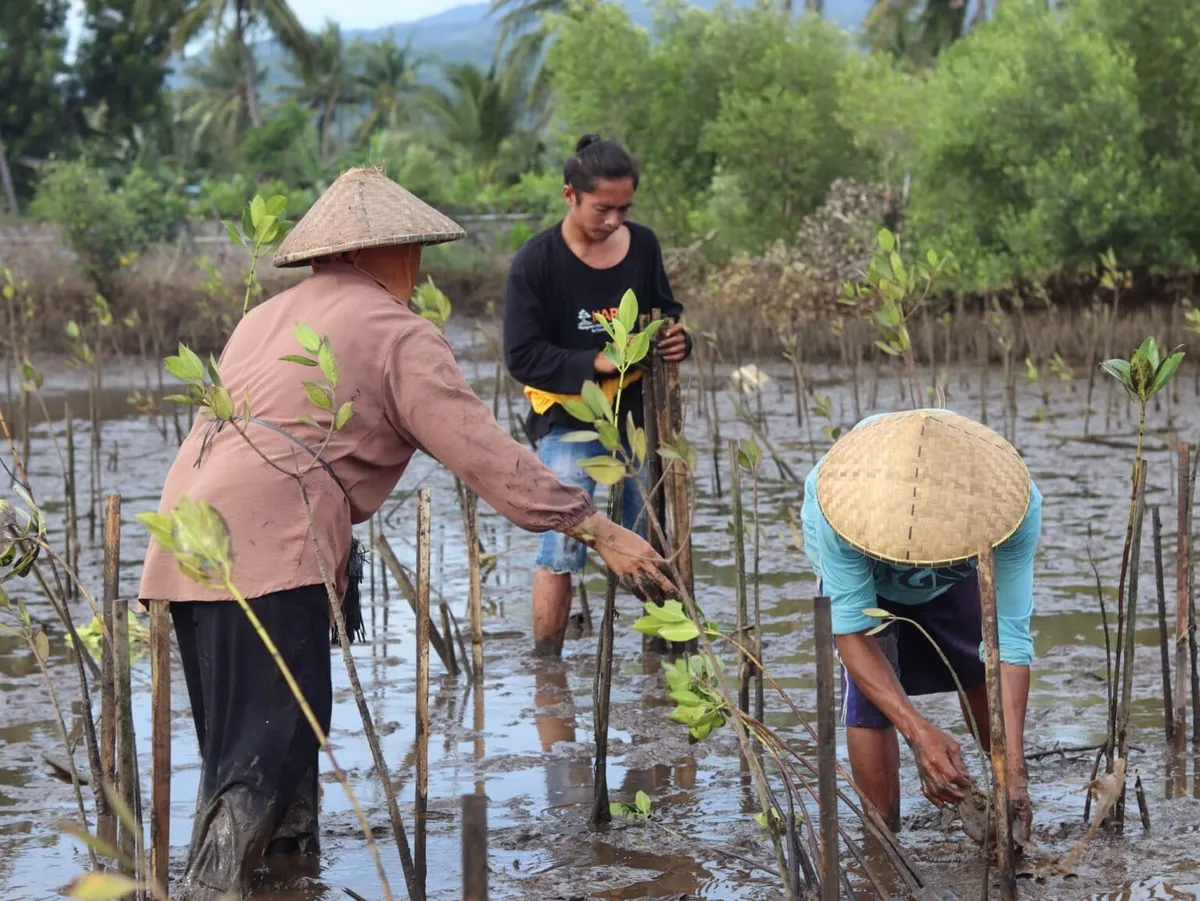
Enter the mangroves. These twisty, rooted trees are basically five-star resorts for mud crabs. Their roots offer shelter, keep the temperature just right, and provide all the tiny microorganisms and nutrients a crab could ever want. Without mangroves, the crabs struggle.
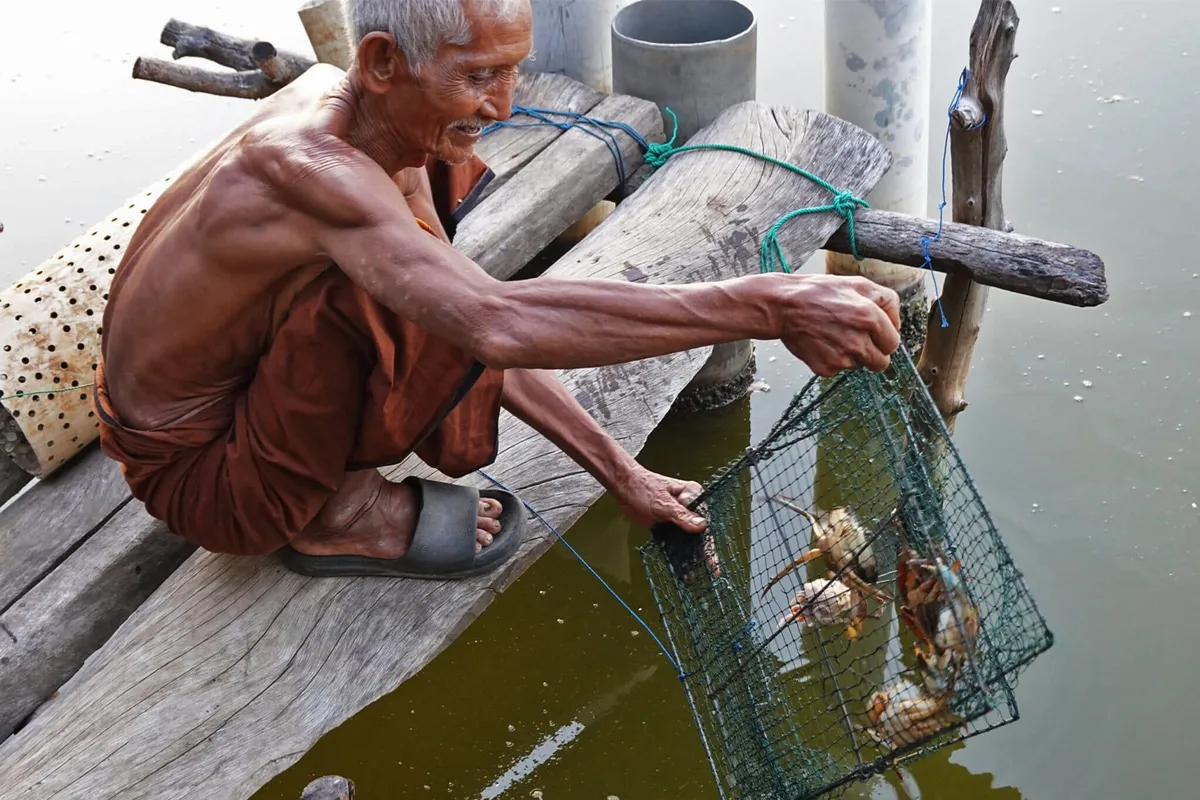
So, what did the local fishers do? They started planting them. Lots of them. Reforesting the mangroves isn't just good for the environment; it's a direct investment in their own food security and, more importantly, their wallets.
It’s a neat bit of ecological economics: plant a tree, grow a crab, keep families together. Because sometimes, the solution to big problems like poverty and family separation isn't found in a boardroom, but in a muddy estuary, waiting for the sun to set and the crabs to get hungry.