In 2018, fire consumed 73,000 hectares of the Santana Indigenous Territory in Brazil's Cerrado savanna while the Bakairi people watched for authorities who arrived far too late. That failure became a catalyst. The community decided they couldn't wait for rescue from outside — they would protect themselves.
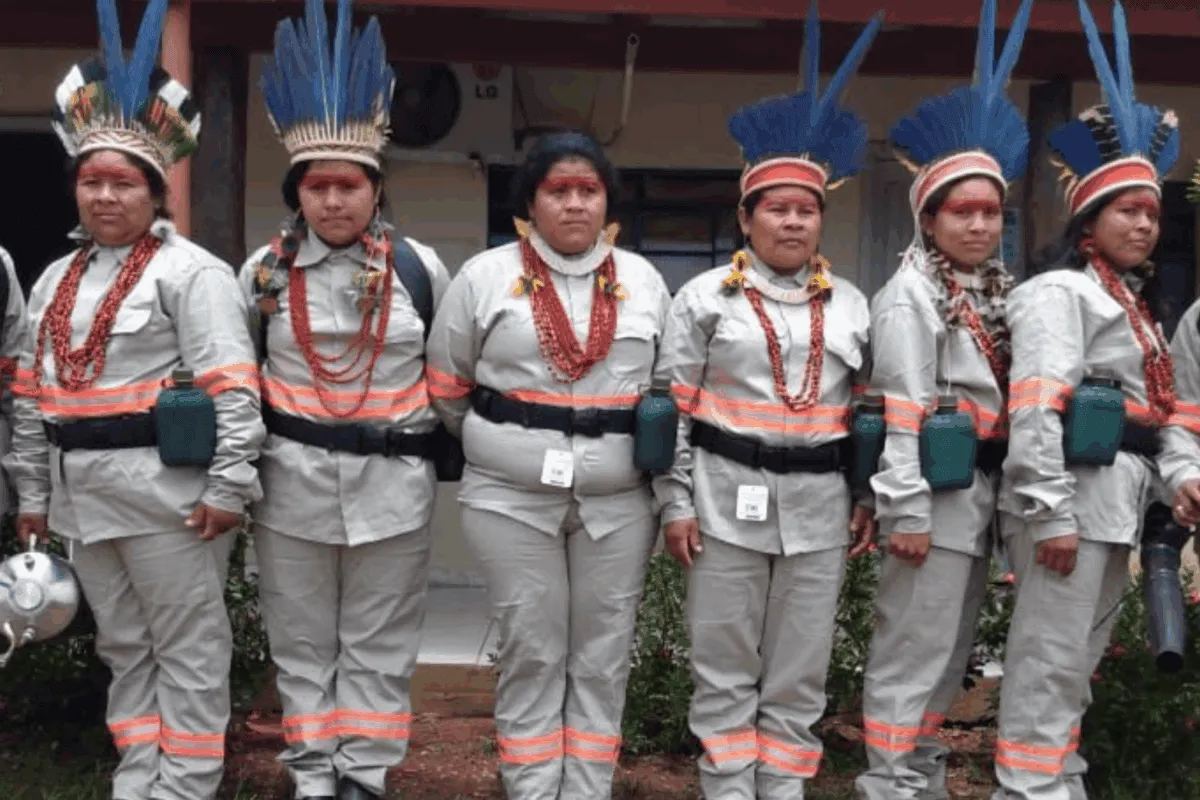
Today, a volunteer fire brigade of 45 trained firefighters defends the territory, and 25 of them are women. Some are teenagers. Some are grandmothers. Edna Rodrigues Bakairi, a local educator and brigade member, puts it plainly: "It's not just young girls. There are women aged 40, 45, 50 who can fight the fires. They come from all age groups, and they all act with courage."
The brigade exists because Paulo Selva, a retired colonel from Mato Grosso's fire department, recognized a hard truth: official fire services only respond to fires within their legal jurisdictions, leaving more than 45% of forest fires undefended. In 2021, when Selva visited Santana to train volunteers, he realized who should lead the effort. "They tend to spend more time in the community, they know the territory better, and they are more committed to protecting their land," he said of the women.
We're a new kind of news feed.
Regular news is designed to drain you. We're a non-profit built to restore you. Every story we publish is scored for impact, progress, and hope.
Start Your News DetoxThe brigade members train on equipment operation, terrain navigation, and safe fire suppression. But prevention is their focus — controlled burns and brush clearing that reduce the risk of catastrophic blazes. Every year, the fires intensify. Waiting is no longer an option.
"We can't just wait for the government to come and help us," Edna says. "We have to take action ourselves."
This isn't isolated. Across Brazil, Indigenous communities are stepping into wildfire management and environmental protection roles that government systems have left vacant. The Bakairi women's brigade is part of a broader shift: Indigenous stewardship, long dismissed or ignored, is becoming recognized as essential to defending threatened ecosystems like the Cerrado. Selva formalized this work through his nonprofit, the Environmental Operations Group Institute, which now travels to Indigenous communities across the region offering firefighting, prevention, first aid, and survival training.
The movement reflects a reality that research increasingly confirms — Indigenous-managed lands often show better ecological outcomes than government-protected areas. But it also reflects something simpler: when communities are left to fend for themselves, they do.