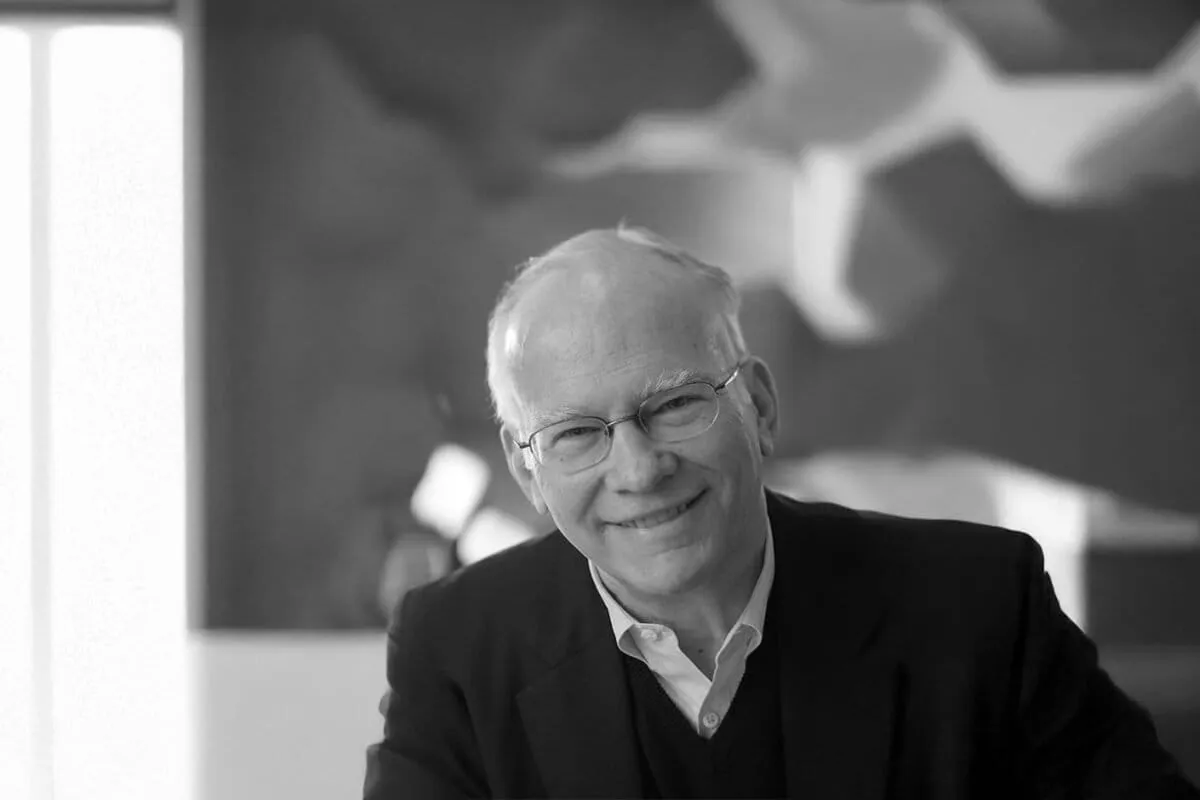
Richard Frederick "Dick" Bradshaw, who died in December 2025, understood something most conservation donors miss: the best environmental progress doesn't come from crisis campaigns. It comes from steadily building the people and institutions that do the work.
Bradshaw spent decades in finance, helping build Phillips, Hager North into one of Canada's most respected investment firms. That success gave him both resources and credibility to pursue what he actually cared about: understanding why salmon runs were vanishing from rivers where they'd once seemed infinite.
He was an avid fisherman. He watched the decline firsthand. And instead of funding emergency interventions or splashy awareness campaigns, he did something quieter and more radical: he funded the people who study these systems.
We're a new kind of news feed.
Regular news is designed to drain you. We're a non-profit built to restore you. Every story we publish is scored for impact, progress, and hope.
Start Your News DetoxWith his wife Val, Bradshaw endowed research chairs at McGill University, the University of Victoria, and Simon Fraser University. These weren't restricted grants tied to specific projects or grant cycles. They were permanent positions designed to let scientists think long-term, build expertise, and stay in the field when many were leaving it. The chairs covered fisheries, coastal systems, and ecosystem science—the foundational knowledge that underpins any serious conservation strategy.
Building Continuity, Not Campaigns
This approach put Bradshaw at odds with how most conservation philanthropy actually works. The dominant model thrives on urgency. It speaks in the language of crisis. It funds campaigns with clear endpoints and measurable wins. There's a logic to it—crisis gets attention, attention moves money, money funds action.
Bradshaw's model was different. He treated environmental protection as a decades-long institutional challenge, not a problem to be solved by the next funding round. By steadying young scientists with fellowships and permanent positions, he helped ensure expertise didn't leak away. By supporting research capacity at universities, he built systems that would outlast any single donor's lifetime.
His influence is harder to trace in headlines. You won't find press releases about "Bradshaw funds salmon research." But over forty years, his approach shaped how Canadian environmental science actually happens—which universities train which researchers, which questions get asked, which ecosystems get studied carefully rather than episodically.
There's a lesson here about patience and compounding. A single research chair might seem modest compared to a $10 million campaign. But a chair endures. It trains students who become the next generation of scientists. It builds institutional memory. It allows researchers to ask questions that take a decade to answer, because they know funding won't vanish after three years.
As conservation challenges grow more complex—climate change, biodiversity loss, ecosystem collapse—the need for this kind of steady, long-term scientific infrastructure only increases. Bradshaw's approach suggests that the most important conservation work often happens in university offices and research stations, not in the headlines.