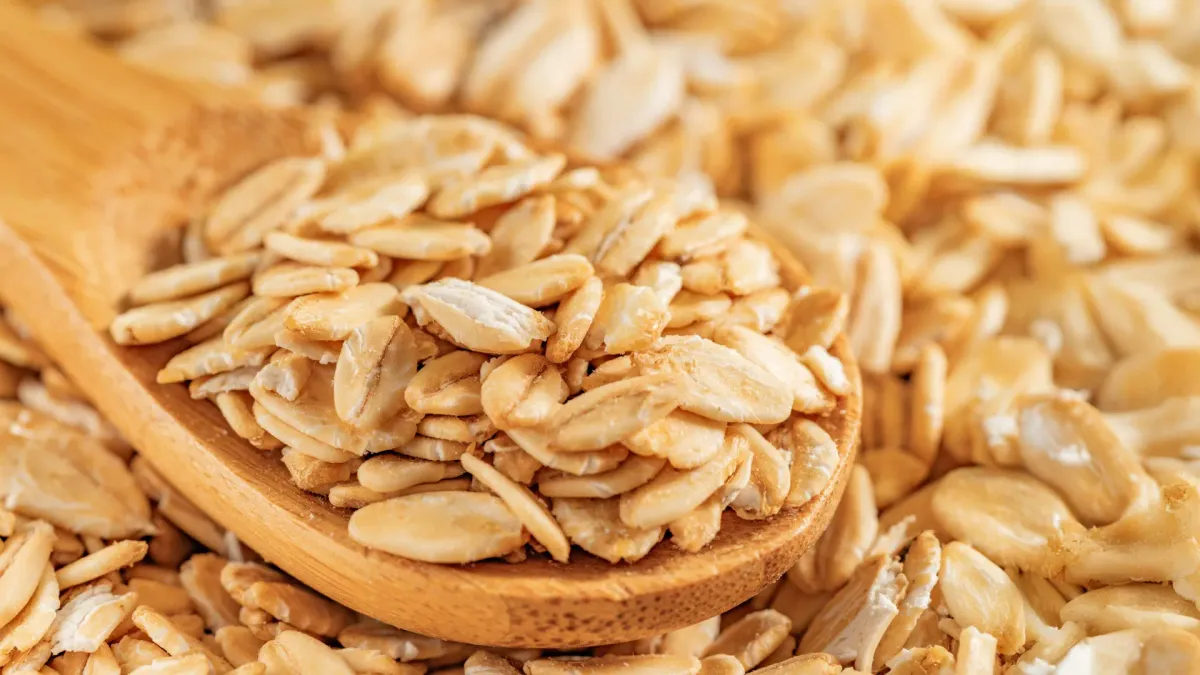
A clinical trial from the University of Bonn found something quietly striking: eating mostly oatmeal for 48 hours reduced LDL cholesterol by 10 percent in people with metabolic syndrome. The effect persisted six weeks later. No medication required—just oats, water, and a willingness to eat the same thing three times a day.
The study involved 32 participants who consumed 300 grams of oatmeal daily while cutting their usual calorie intake roughly in half. They ate boiled oats for breakfast, lunch, and dinner, with only small amounts of fruit or vegetables allowed. A control group also reduced calories but without the oats. Both groups lost weight and saw modest improvements, but the oat group's cholesterol drop was markedly steeper. Participants also lost an average of two kilograms and experienced a slight drop in blood pressure.
Why does this matter? LDL cholesterol builds up inside artery walls over time, forming plaques that narrow blood vessels. When these plaques rupture—triggered by physical strain, stress, or sudden blood pressure spikes—a blood clot can form and block blood flow entirely. That clot can travel to the heart or brain, causing a heart attack or stroke. A 10 percent reduction in LDL is substantial enough to measurably lower that risk.
We're a new kind of news feed.
Regular news is designed to drain you. We're a non-profit built to restore you. Every story we publish is scored for impact, progress, and hope.
Start Your News DetoxHow gut bacteria turn oats into medicine
The real story isn't about the oats themselves. It's about what happens when your gut bacteria eat them. Researchers found that the oatmeal shifted the balance of microbes in participants' guts, triggering the production of compounds called phenols. One of these, ferulic acid, appears to influence how the body metabolizes cholesterol. These bacterial byproducts don't just stay in your gut—they enter the bloodstream and affect organs throughout your body.
At the same time, certain bacteria eliminated histidine, an amino acid that the body can convert into a compound linked to insulin resistance and diabetes. So the oats triggered a dual mechanism: producing beneficial compounds while eliminating harmful ones. This explains why the effect was so pronounced and why it lingered weeks after the intervention ended.
This isn't a new idea dressed up in modern science. In the early 1900s, German physician Carl von Noorden used oats to treat diabetes patients and reported strong results. The method faded from use as pharmaceutical treatments became available. "Today, effective medications are available," notes Marie-Christine Simon, junior professor at the University of Bonn's Institute of Nutritional and Food Science. "As a result, this method has been almost completely overlooked."
The catch: the benefits were strongest when oats were consumed in high amounts alongside calorie restriction. In a separate phase, participants ate 80 grams of oatmeal daily without cutting calories, and the improvements were only modest. The intensity mattered. "A short-term oat-based diet at regular intervals could be a well-tolerated way to keep cholesterol levels within the normal range," Simon said. The next question is whether repeating an intensive oat intervention every six weeks could create lasting prevention.
The research was published in Nature Communications and used standard randomized controlled trial methodology, with lab teams analyzing blood and stool samples blinded to which group each sample came from. The findings suggest that sometimes the oldest remedies, understood through modern biology, might offer a surprisingly accessible option for managing metabolic health.