The British royal family has had a rather unroyal year, with both King Charles and Kate Middleton recently going public with cancer diagnoses. While the specifics remain under wraps, they've both been surprisingly open about their treatments and, more importantly, about offering a very public hand of support to others navigating similar journeys.
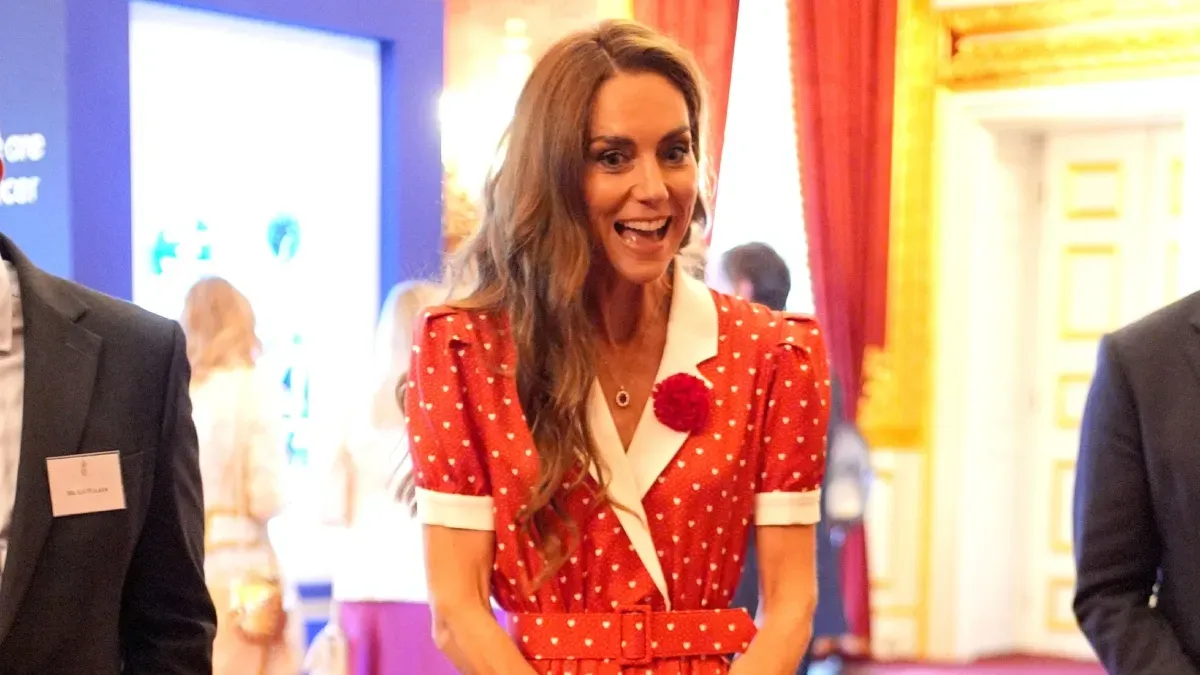
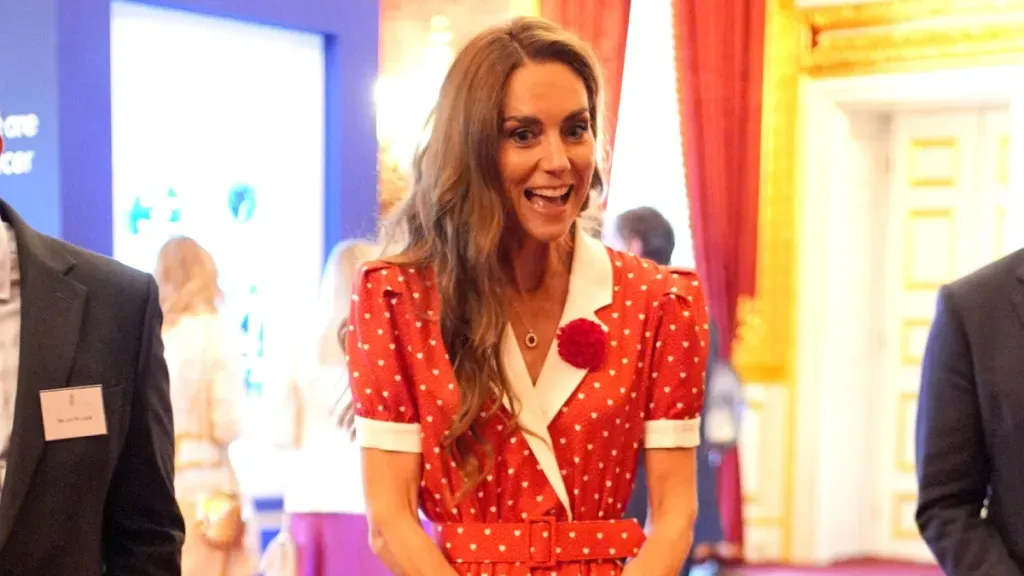
Which is why June 2nd felt like a bit of a moment. King Charles, Queen Camilla, Prince William, and Princess Kate all stepped out together at St. James’s Palace in London to mark the 125th anniversary of Cancer Research UK. It wasn't just any royal engagement; it was the first cancer-focused event the King and Princess have attended together since sharing their own health news.
United in Support
Think about it: two of the most scrutinized people on the planet, both undergoing cancer treatment, choosing to use their platform to shine a light on the disease. It’s a powerful message, especially given the individual efforts they've both made over the past couple of years.
We're a new kind of news feed.
Regular news is designed to drain you. We're a non-profit built to restore you. Every story we publish is scored for impact, progress, and hope.
Start Your News DetoxKate, ever the picture of quiet resilience, recently took to social media to share a message of thanks. She talked about learning patience with uncertainty, listening to her body, and allowing herself the time to heal. She also thanked those who've bravely shared their own stories with her — a subtle nod to the community she's now part of.
King Charles echoed that sentiment during the Stand Up to Cancer broadcast, revealing that his treatment schedule might actually be reduced thanks to early diagnosis and effective care. He called it a personal blessing and a testament to modern cancer care, hoping his story would inspire others facing similar diagnoses. Because, let's be honest, nearly 50% of us will hear those words in our lifetime.
In a world where royal appearances are often about pomp and circumstance, this one was about something far more universal: shared vulnerability and collective hope. And sometimes, that's precisely the kind of unity we need to see.