In California's interior, a long, straight aqueduct carries snowmelt south to a city that grew as if water were a birthright. Along the way, it passes a valley that was once defined by water and birds, and is now defined, in part, by what remains when water is removed.
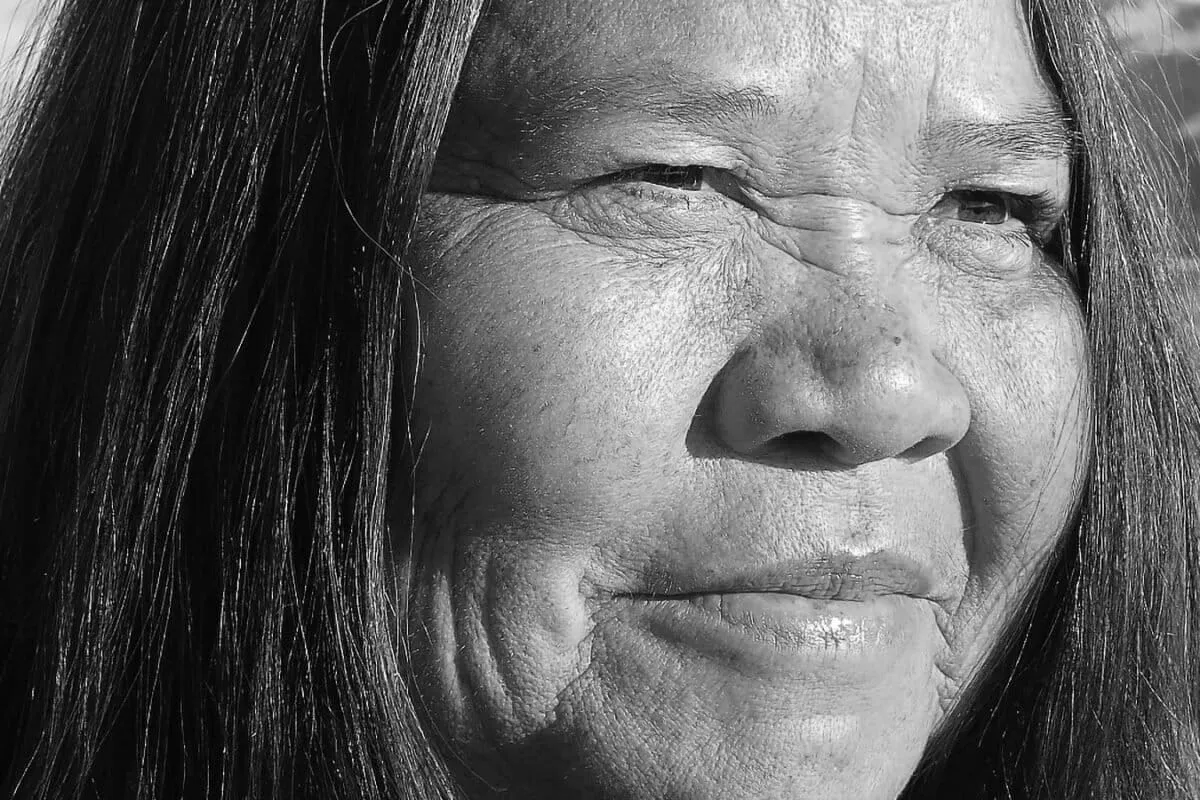
Kathy Jefferson Bancroft spent her life refusing to let that erasure happen quietly.
Bancroft was born and raised in Owens Valley. In a 2017 interview, she described hearing stories from her grandmother about Owens Lake when it was full—about migrating birds that "would darken the sky." Those weren't just memories. They were instructions. For the Paiute and Shoshone people of Payahüünadu (the ancestral name for this land), the lake and valley weren't resources to be managed on a spreadsheet. They were history, responsibility, and relationship.
We're a new kind of news feed.
Regular news is designed to drain you. We're a non-profit built to restore you. Every story we publish is scored for impact, progress, and hope.
Start Your News DetoxBut that's not how the bureaucracies and water companies saw it. A lakebed became a workplace. The wind became a health hazard. A landscape with thousands of years of human memory got sorted into boxes: dust over here, hydrology over there, cultural sites as a checklist item. Tribal "consultation" happened at the end of a process, not the beginning—if it happened at all.
Bancroft refused to accept that partition. For decades, she insisted that Payahüünadu be treated as a place with obligations, not just an asset with constraints. She faced off against powerful agencies and corporations that preferred their smaller boxes, their cleaner separation of concerns. She didn't waver.
What made her different wasn't just stubbornness—though she had that. It was that she understood something the agencies didn't: you can't solve a problem you won't look at whole. You can't restore a relationship by managing its component parts. You can't honor a people's connection to their land while treating that land as a technical problem.
Bancroft passed away on January 25, 2026, at 71. Her legacy lives in the fact that Payahüünadu is no longer treated as a simple resource extraction zone. The valley is now recognized—in policy, in conversation, in the way agencies approach their decisions—as a place where land, water, culture, and responsibility are inseparable. The lake remains gone. But the obligation to remember it, to restore what can be restored, and to listen to the people who have always known how to live with this land: that obligation is now part of the official record.
Few people did more to insist on that shift. Even fewer did it against such resistance, with such grace.