Tigers haven't roamed Kazakhstan's grasslands and wetlands for roughly a hundred years. Now, the country is methodically rebuilding the habitat they need to return—one seedling at a time.
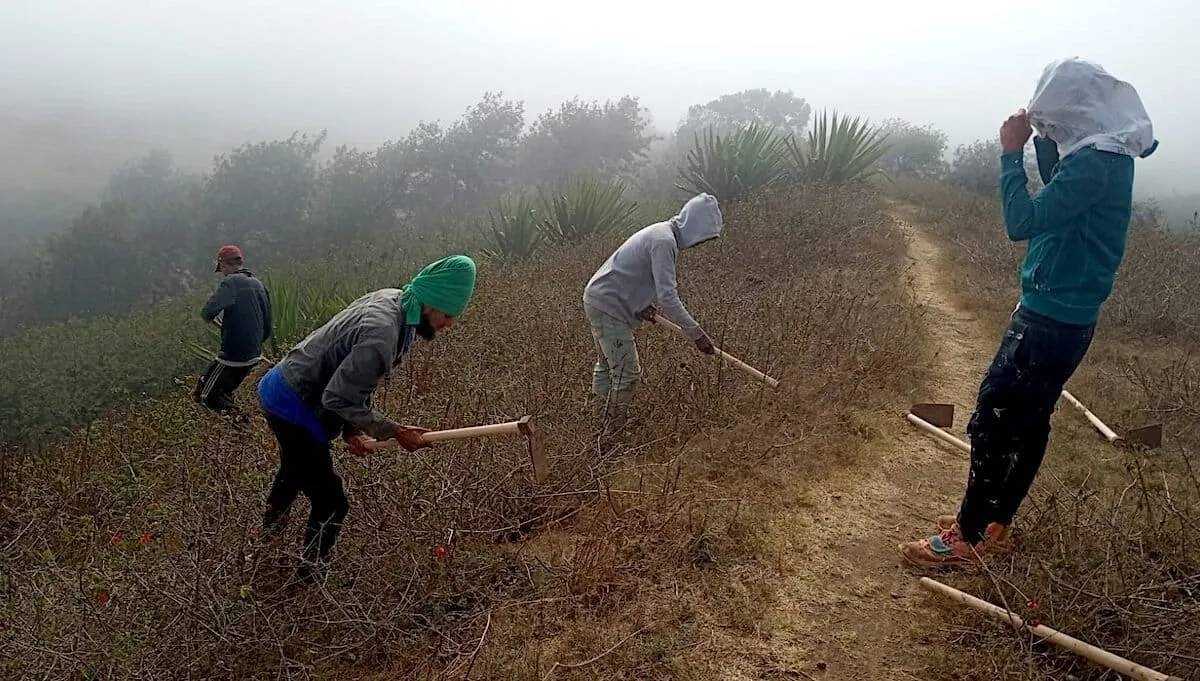
Last year alone, 37,000 young trees went into the ground around the Ile River and Lake Balkhash in southern Kazakhstan. Over the past four years, that number has reached 50,000. The species matter: 5,000 willows, 30,000 long-leaved oleasters, and 2,000 native poplar trees called turangas, planted along a 2.4-mile stretch of lakeshore in what's known as tugai forest—the dense riparian woodland that once thrived here.
This isn't romantic rewilding. It's infrastructure. "We are not simply planting trees," says Aibek Baibulov, the WWF Central Asia project manager overseeing the reforestation. "We are laying the foundation for resilient ecosystems capable of sustaining themselves."
We're a new kind of news feed.
Regular news is designed to drain you. We're a non-profit built to restore you. Every story we publish is scored for impact, progress, and hope.
Start Your News DetoxThe ecosystem has to work first
Tigers don't just need trees. They need prey. For decades, Kazakhstan has been rebuilding populations of wild ungulates—the animals that feed predators. Saiga antelope numbers have rebounded from a catastrophic low of 48,000 in 2005 to over 1.9 million today. Starting in 2019, Bukhara deer were reintroduced to the reserve in small groups, with another 200 released in subsequent years. These animals are already foraging on the newly restored sites, a sign that the ecosystem is beginning to function as a working whole.
The trees planted in previous years have already grown to 2.5 meters tall, their root systems reaching groundwater and forming natural communities. Each one is a building block—not just habitat, but proof that the landscape can heal.
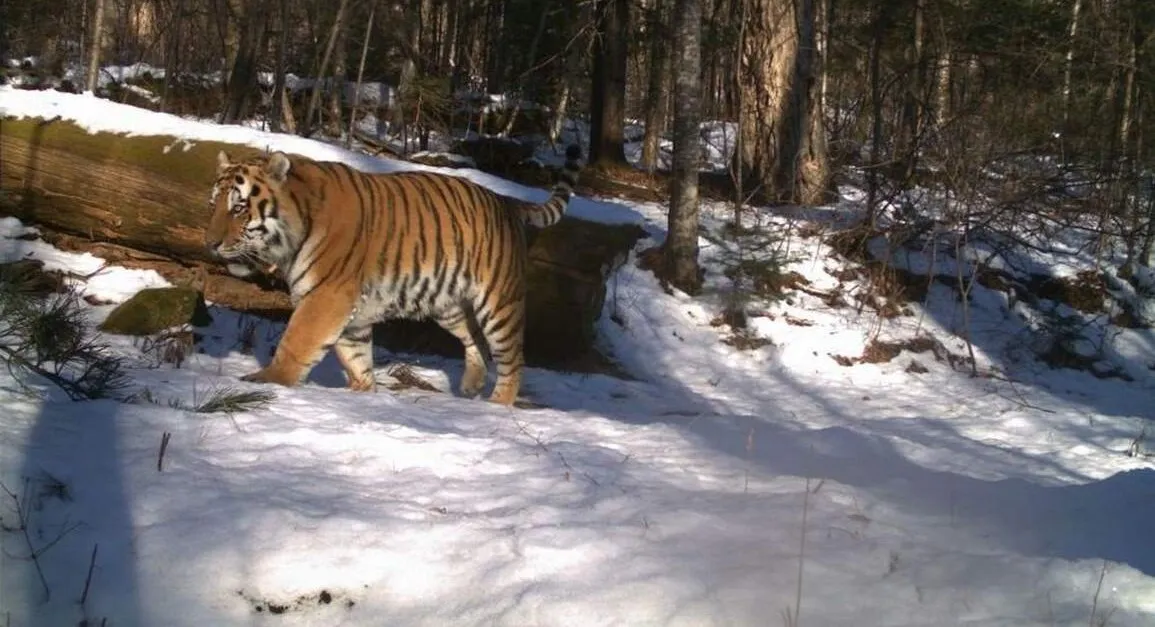
Genetic research on tiger remains and furs held in Kazakhstan's national collections revealed something crucial: the tigers that once lived across Central Asia, Iran, southern Russia, and around the Caspian Sea were extremely similar to today's Siberian tigers. That meant the blueprint existed. In 2024, two Amur tigers—a male named Bodhana and a female called Kuma—were transported from a sanctuary in the Netherlands to a semi-natural holding facility in the Ile-Balkhash Nature Reserve, where they're acclimating to the climate and landscape.
Three to four more tigers from Russia are expected to arrive before June. Their offspring, once fully grown, will be released into the reserve as a second wave, the culmination of years of coordinated work between Kazakhstan's government, WWF Central Asia, and the UN Development Program.
What makes this different
If this succeeds, it will be the first time tigers have been reintroduced to a range country where they're currently extinct. That distinction matters. It's not about moving animals around; it's about proving that a landscape can be restored to the point where a large predator can thrive again. It's also a signal about what coordinated conservation can achieve when governments, international organizations, and specialists commit to a decades-long timeline rather than quick wins.
A working group is already forming to develop strategies for managing human-wildlife conflict—because tigers and people will share this landscape. Russian specialists will train Kazakh teams on coexisting with large predators, turning potential conflict into managed reality.
The first tigers are already in the reserve. The ecosystem is still being built around them. By the time their offspring are ready for release, the foundation—37,000 seedlings and counting—should be ready to hold them.