Andrea Meanwell is planting fruit trees in hedgerows across Low Park, an abandoned farm in England's Lake District, and watching something quieter than restoration unfold: nature gently reclaiming what humans once worked.
This morning she's adding damson and apple trees sourced from local growers to the new hedges—one fruit tree every 200 metres, a deliberate choice to rebuild diversity. When she arrives at Low Park in the Lune gorge, primroses are already flowering in the sheltered orchard, even as snow still grips the higher fells. Nearby, fluorescent orange fungi—witches' butter—spreads across deadwood, a small visual reminder that life moves at many speeds simultaneously.
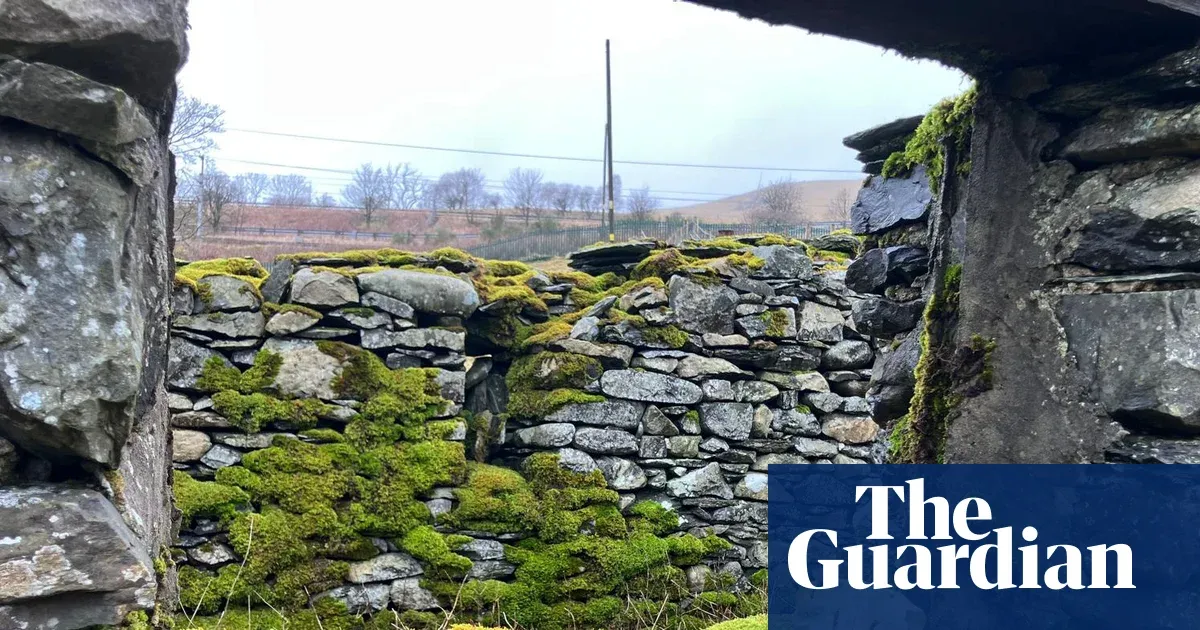
What strikes Meanwell most is the pace of forgetting. The old farmstead itself is being slowly consumed by moss and seeded trees. Inside the roofless rooms, polypody ferns grow on branches that have pushed through stone walls. A temperate rainforest is emerging where people once washed, dressed, and prepared for their day. Within a single lifetime, the everyday has become archaeological.
We're a new kind of news feed.
Regular news is designed to drain you. We're a non-profit built to restore you. Every story we publish is scored for impact, progress, and hope.
Start Your News DetoxThe farm's history is written in broken infrastructure now being swallowed by growth. Children were once hauled across the River Lune in a wooden box suspended on metal cables to reach the railway station. The Ingleton branch line ran nearby; the farm even operated its own crossing over the west coast mainline until the M6 motorway severed that access fifty years ago. The cables still dangle, slowly engulfed by a tree.
The Long View
Meanwell's work—planting new hedgerows, establishing orchards—sits in tension with what she's witnessing. She's actively restoring diversity while watching the landscape's human layer dissolve. This isn't contradiction. It's the reality of land stewardship in a moment when farming itself is being questioned, when margins are thin and young people often leave. The trees she plants now may outlast the farming that prompted their planting.
What makes this story matter beyond one farm: Meanwell's observation captures something happening across upland Britain. Agricultural abandonment isn't always tragic—it's creating space for ecological recovery. But it's also erasing knowledge, skills, and ways of life that took centuries to develop. The hedgerows she's planting aren't just about biodiversity; they're about choosing what we want to remember and what we're willing to let go.
The quad bike ride back to her own farmhouse, three miles away, carries an unspoken question. Will that house too eventually be reclaimed. Will upland farming here become only the memory of a few. For now, Meanwell is planting trees that will answer that question long after she's gone.