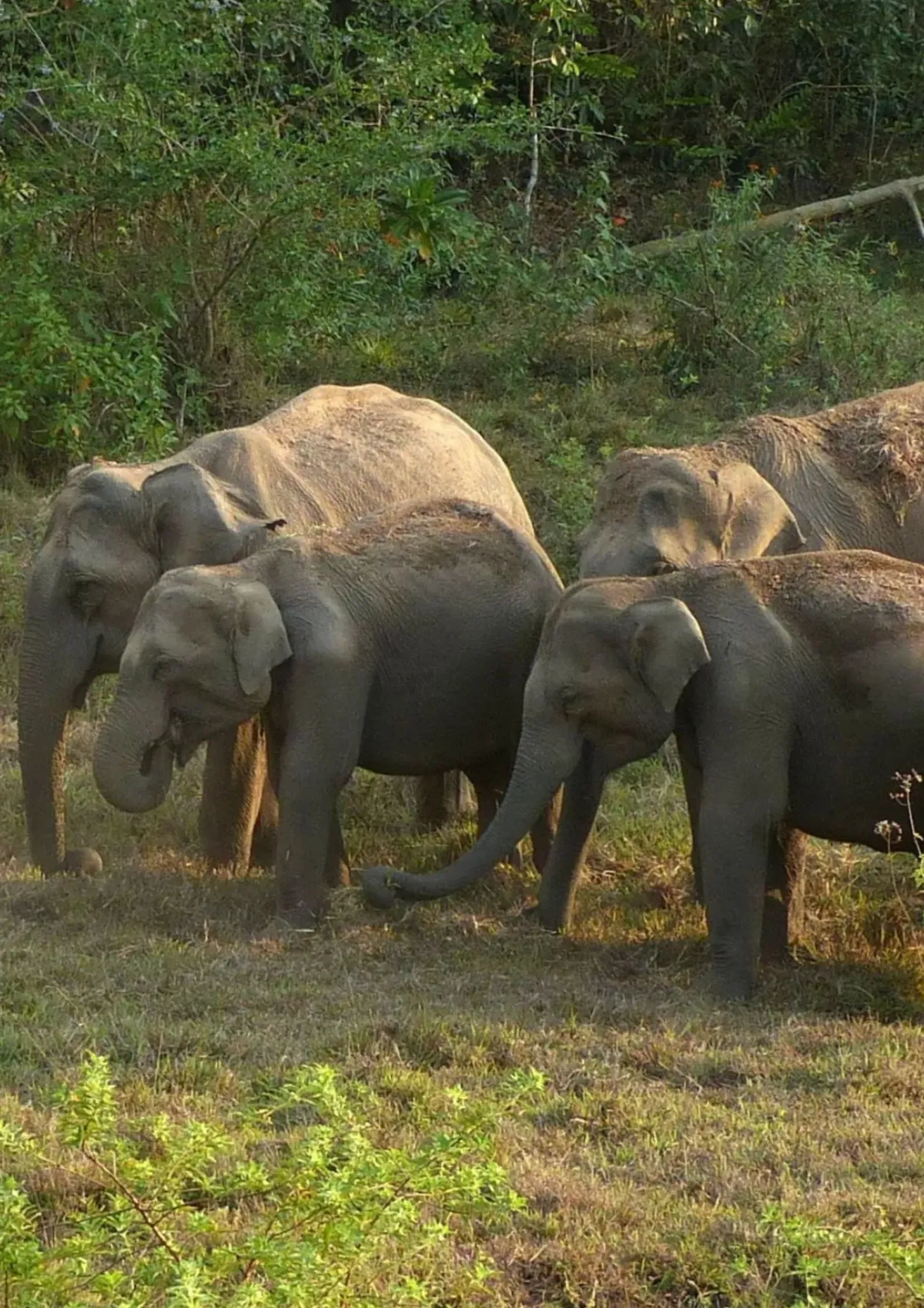
India's wild elephant population has dropped from 27,312 in 2017 to 22,446 today. Poaching, illegal trade, habitat loss, and the daily friction between expanding human settlements and roaming herds have all played a role. But across the country, local communities are doing something unexpected: they're mapping the invisible highways that elephants have used for generations, and they're fighting to keep them open.
The Wildlife Trust of India launched Right of Passage in 2005 with a simple idea: elephants need corridors—strips of land connecting one forest to another—to survive. Rather than relying on satellite maps or computer models alone, teams walk these routes on foot, notebook in hand. They document every barrier, every potential conflict point, every emerging threat. "We note down everything: the barriers an elephant may be facing, the possibilities of conflict situations, and upcoming threats," says Upasana Ganguly, who heads the project. This granular, human-scale research reveals what numbers on a screen can't: what it actually feels like to be an elephant moving through a landscape carved up by roads, farms, and villages.
The project has now identified and mapped 101 corridors across India—up from 88 when the work began. Each one represents a negotiation between conservation and survival: both for elephants and for the people living on the edges of these routes.
We're a new kind of news feed.
Regular news is designed to drain you. We're a non-profit built to restore you. Every story we publish is scored for impact, progress, and hope.
Start Your News DetoxThe real innovation: making protection profitable for communities
Mapping corridors is one thing. Protecting them is another. The Right of Passage project works alongside India's government-led Project Elephant (launched in 1992) and state forest departments, but the secret ingredient is local buy-in. They've created a role called Green Corridor Champions: residents from villages along these routes who become the frontline protectors of elephant passage.
These champions aren't volunteers working against their own interests. The initiative deliberately addresses the economic side of coexistence. Communities receive benefit-sharing arrangements. Key stretches of land are acquired and handed to state forest departments for legal protection. Schools run awareness programs that build a culture of elephant protection from childhood onward. The message is clear: you don't have to choose between your livelihood and living alongside elephants.
This matters because elephants don't follow conservation plans—they follow hunger and water. When a corridor is blocked or degraded, they move through villages instead, raiding crops and occasionally causing human deaths. When villages see elephants as a threat to their survival rather than a shared responsibility, protection collapses. The Right of Passage model inverts that equation.
The scalability of the approach—corridors growing from 88 to 101 in less than two decades—suggests the model is working. But the real test lies ahead. As India's population continues to grow and forests continue to shrink, keeping these corridors open will require communities to keep choosing coexistence, even when it costs them.