Kenya just made history, becoming the first country in Africa to tap into a specialized fund designed to help nations reeling from climate disasters. The initial payout? A tidy 90 million Kenyan shillings, which, for those of us not fluent in shillings, is roughly $700,000.
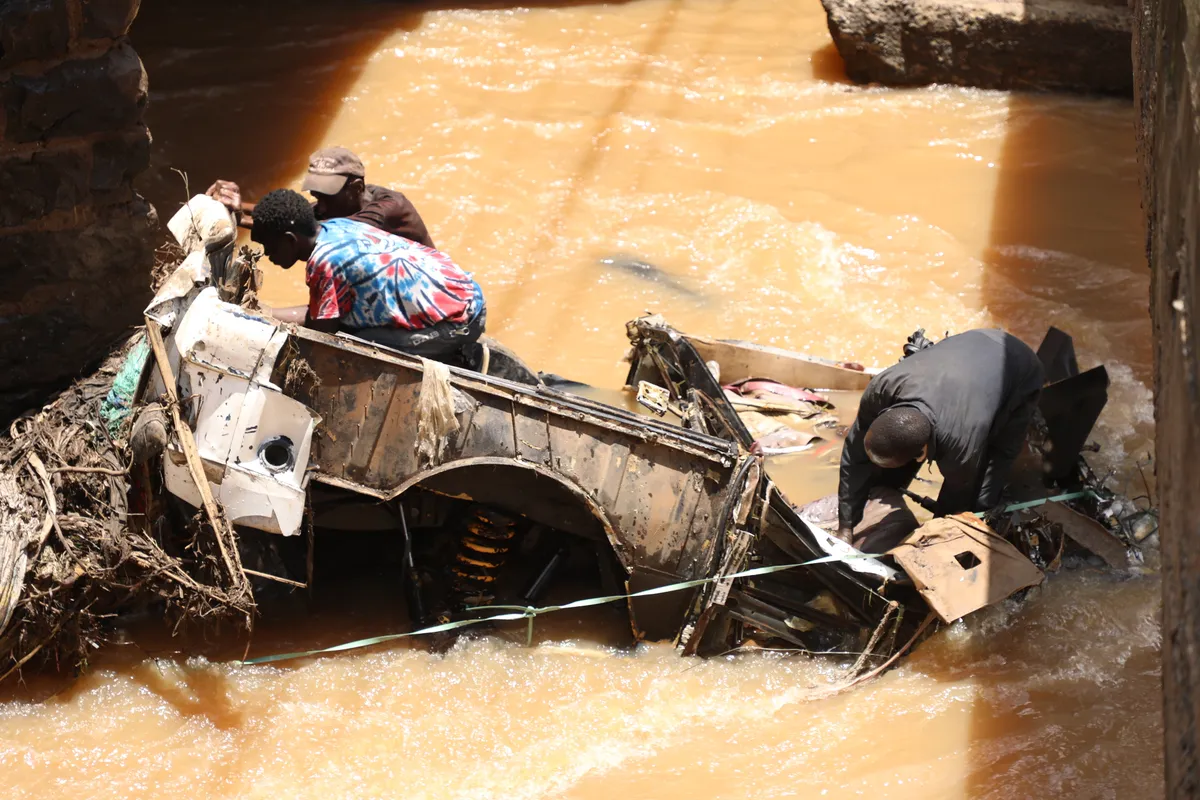
This isn't just pocket change; it's a significant marker. This cash infusion will help Kenya trace exactly what its citizens have lost to climate change over the past decade – think droughts, floods, and the kind of crop failures that make farmers sigh deeply.

The money flows from the Santiago Network on Loss and Damage, a UN initiative based in Switzerland and backed by donations from more developed nations. Kenya's government will be the one managing the purse strings, ensuring it reaches the communities hit hardest.
We're a new kind of news feed.
Regular news is designed to drain you. We're a non-profit built to restore you. Every story we publish is scored for impact, progress, and hope.
Start Your News DetoxFestus Ng’eno, a top environment official for Kenya, dropped this news at a UN climate meeting in Germany. He also pointed out that Kenya is only the second country globally to receive this specific funding, with the island nation of Vanuatu having been the first. Let that sink in for a moment.
From Talk to Action
Kenya’s State Department for Environment and Climate Change put it plainly on Facebook: the country has been battered by severe climate shocks, but it’s never had the resources to fully quantify the damage. This funding aims to change that, moving beyond just observing the problem to actually measuring its impact.
Fred Njehu, a strategist with Greenpeace, noted to the Daily Nation that this represents a crucial shift. For too long, climate action has been heavy on the rhetoric and light on tangible support for the countries on the front lines. This funding, he suggests, is a sign that things are finally moving from talk to actual, you know, doing things. Which, if you think about it, is a rather welcome development.
It’s a small step, perhaps, but a remarkably significant one for African nations who have been, for quite some time, politely but firmly demanding climate justice from the countries that have, shall we say, contributed most enthusiastically to the problem.