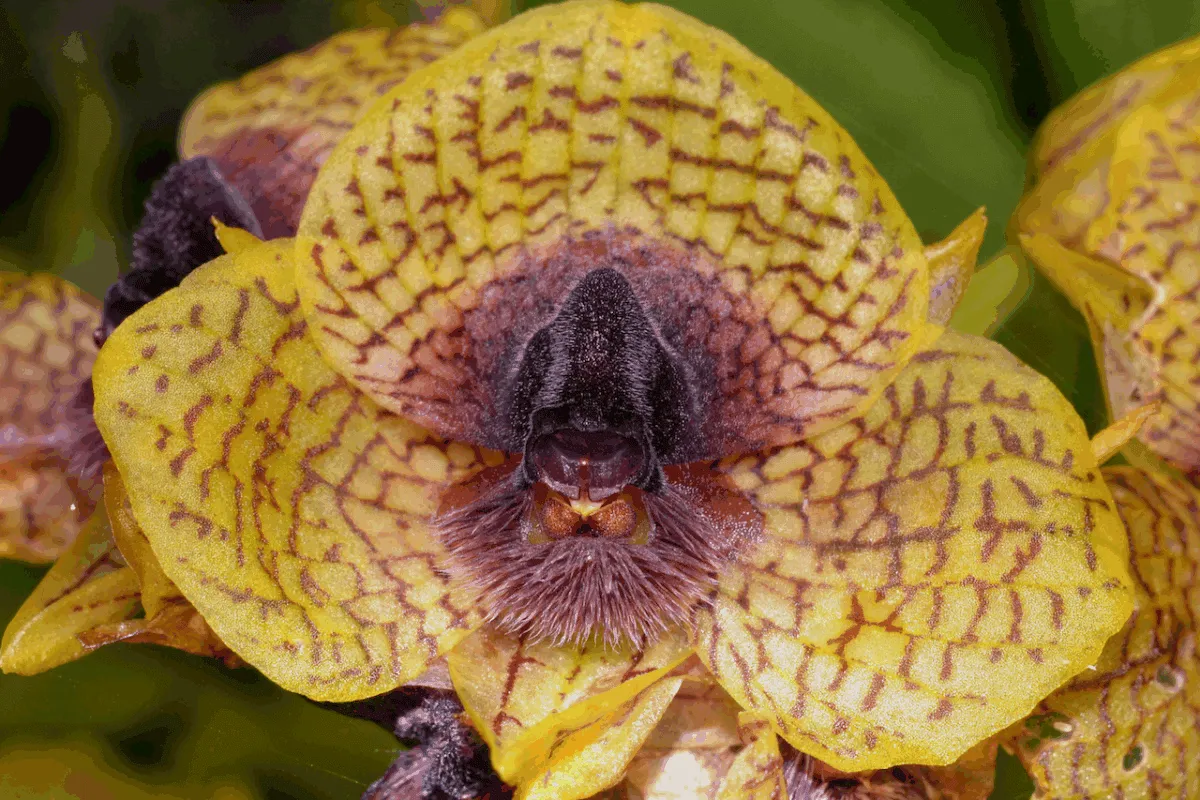
Scientists at the Royal Botanic Gardens, Kew, officially named 125 new plant species and 65 fungi this year — including a parasitic fungus that hijacks Brazilian spiders' nervous systems, turning them into what researchers call "zombies," and a critically endangered orchid with blood-red markings hidden in Ecuador's cloud forests.
There's also a shrub named after Calcifer, the fire demon from Hayao Miyazaki's Howl's Moving Castle. Science can be playful even when the stakes are high.
Kew releases an annual "top 10" list of newly discovered species to highlight two truths at once: nature's staggering diversity, and its fragility. The problem is that many species get named just as they're disappearing. According to Kew's 2023 report on the state of the world's plants and fungi, three out of four undescribed plant species face extinction threats. One species described in 2025 — Cryptacanthus ebo, a bromeliad from Cameroon's Ebo Forest — may already be gone.
We're a new kind of news feed.
Regular news is designed to drain you. We're a non-profit built to restore you. Every story we publish is scored for impact, progress, and hope.
Start Your News DetoxA race against time
Across the globe, researchers officially name roughly 2,500 new plant species each year, plus far more fungi. But the backlog is staggering: an estimated 100,000 plant species and between 2 million and 3 million fungal species remain undescribed by science. Many of these unnamed fungi are endophytes — organisms that live entirely within plant tissues, forming invisible microbiomes that plants depend on to survive.
The naming matters more than it might seem. "It is difficult to protect what we do not know, understand and have a scientific name for," said Martin Cheek, a senior research leader in Kew's Africa team. Without a formal scientific description, a species can vanish without ever entering the conservation conversation. It can't be listed as endangered. It can't be studied. It can't be saved.
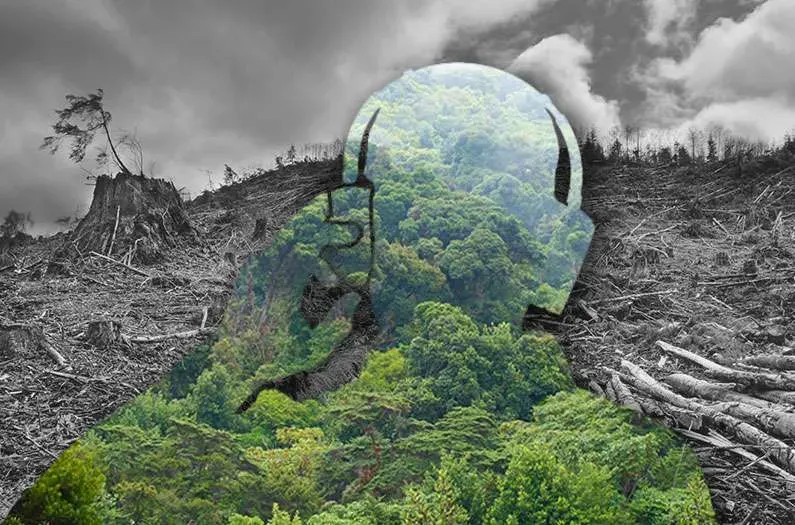
The urgency is real. Climate change and habitat loss are accelerating faster than taxonomy can keep up. Every year, the window to document and protect these species narrows. But the work continues — quietly, methodically, often in remote forests and overlooked ecosystems where the next discovery might be waiting.