A large study tracking toddlers born to vaccinated and unvaccinated mothers found no differences in autism risk, developmental delays, speech, motor skills, or social development. The findings add concrete data to a question that's weighed on many pregnant people since the vaccines rolled out.
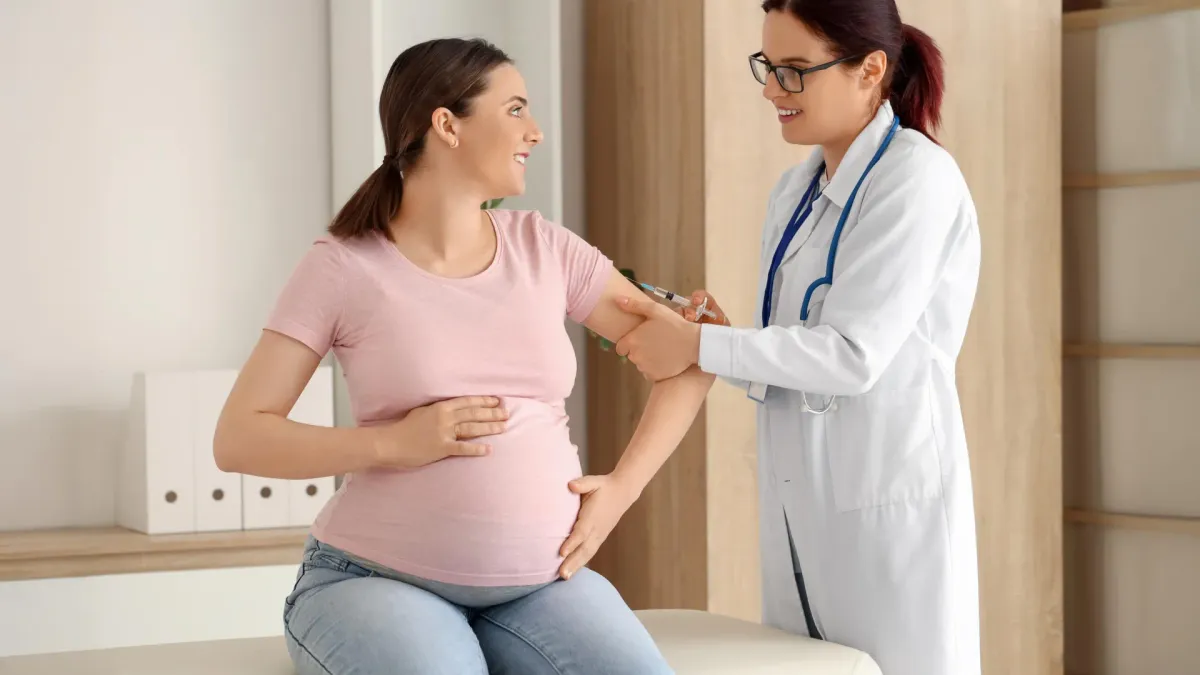
Researchers with the Maternal-Fetal Medicine Units Network followed 434 children between 18 months and 2.5 years old. Half were born to mothers who received at least one mRNA COVID-19 vaccine during pregnancy or within 30 days before conception. The other half were born to unvaccinated mothers. The study ran from May 2024 through March 2025.
To make the comparison fair, the researchers paired vaccinated mothers with unvaccinated ones based on where they delivered, delivery date, insurance status, and race. They excluded pregnancies that ended early, involved multiples, or resulted in major birth defects in either group.
We're a new kind of news feed.
Regular news is designed to drain you. We're a non-profit built to restore you. Every story we publish is scored for impact, progress, and hope.
Start Your News DetoxWhen the toddlers were assessed, researchers used multiple tools to measure development: the Ages and Stages Questionnaire (which checks communication, gross and fine motor skills, problem-solving, and social interaction), the Child Behavior Checklist, the Modified Checklist for Autism in Toddlers, and the Early Childhood Behavior Questionnaire. No meaningful differences emerged between the groups across any of these measures.
"Neurodevelopment outcomes in children born to mothers who received the COVID-19 vaccine during or shortly before pregnancy did not differ from those born to mothers who did not receive the vaccine," said George R. Saade, senior researcher and chair of obstetrics and gynecology at Old Dominion University.
This study matters because vaccine safety in pregnancy has been a persistent source of anxiety for many people, even as evidence accumulated. Real-world data like this—prospective, multi-center, and rigorous—helps close the gap between what the research shows and what people actually feel confident about. The study was funded by the Eunice Kennedy Shriver National Institute of Child Health and Human Development and will be published in the February 2026 issue of Pregnancy, the official journal of the Society for Maternal-Fetal Medicine.
As more children born during the vaccination campaign reach school age, longer-term developmental tracking will continue. For now, this data provides concrete reassurance for pregnant people weighing vaccination decisions.