Researchers in Italy have found that a ketogenic diet—high in fat, low in carbohydrates—may protect developing brains from the lasting effects of stress experienced in the womb.
The discovery emerged from a study where pregnant rats were exposed to stress during their final week of pregnancy. After birth, their pups were divided into two groups: one fed a standard diet, the other a ketogenic diet. By 42 days old (roughly equivalent to late adolescence in rats), the differences were striking. Among offspring raised on a regular diet, half of those born to stressed mothers showed behavioral problems linked to prenatal stress—reduced sociability and diminished interest in their surroundings. On the ketogenic diet, only 22% of males and 12% of females developed similar difficulties.
The rats on the high-fat diet also showed clearer behavioral improvements: they spent more time grooming and interacting socially compared to their peers on standard food.
We're a new kind of news feed.
Regular news is designed to drain you. We're a non-profit built to restore you. Every story we publish is scored for impact, progress, and hope.
Start Your News DetoxHow Diet May Shield the Brain
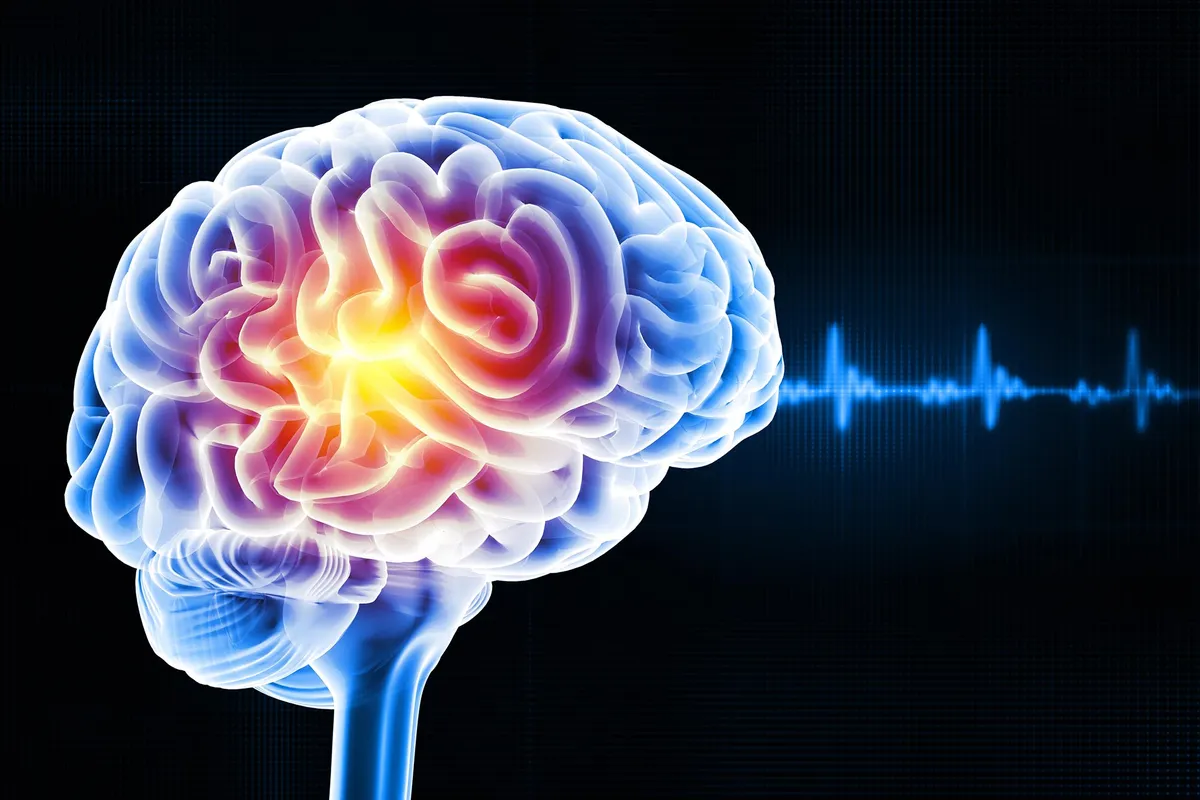
Dr. Alessia Marchesin, the lead researcher from the University of Milan, describes the effect as a shield for the developing brain. "The diet seems to have acted like a shield for their developing brains, so preventing social and motivational problems from ever taking root," she explains. The ketogenic diet produces several biological shifts—improved mitochondrial efficiency (the brain's energy powerhouses work better) and changes in hormone balance—that appear to counteract stress damage.
What's particularly interesting is that the protective mechanism worked differently in male and female rats, suggesting that dietary interventions could eventually be tailored to individual needs.
This research sits within a growing field called Nutritional Psychiatry, which examines how what we eat shapes our mental health. The findings are preliminary—they've only been tested in rats—and human studies will be needed before doctors could recommend ketogenic diets for at-risk children. But the implications are significant: if these results hold up in people, it could mean that something as accessible as diet might help children recover from early trauma.
Dr. Aniko Korosi of the University of Amsterdam notes that the work "nicely contributes further to the nascent field of Nutritional Psychiatry," pointing to a broader shift in how researchers think about the connection between nutrition and mental resilience.
The next step is clear: human trials. If a simple dietary change can genuinely buffer young brains against the weight of prenatal stress, it could reshape how we support children born into difficult circumstances.