For years, plastic has been essential for sealing paper packaging. This is true even for products that seem to be all paper. Things like milk cartons and snack bags need plastic to keep air out and liquids in.
This plastic makes recycling harder and slows down how quickly paper breaks down naturally.
Lasers Create Plastic-Free Seals
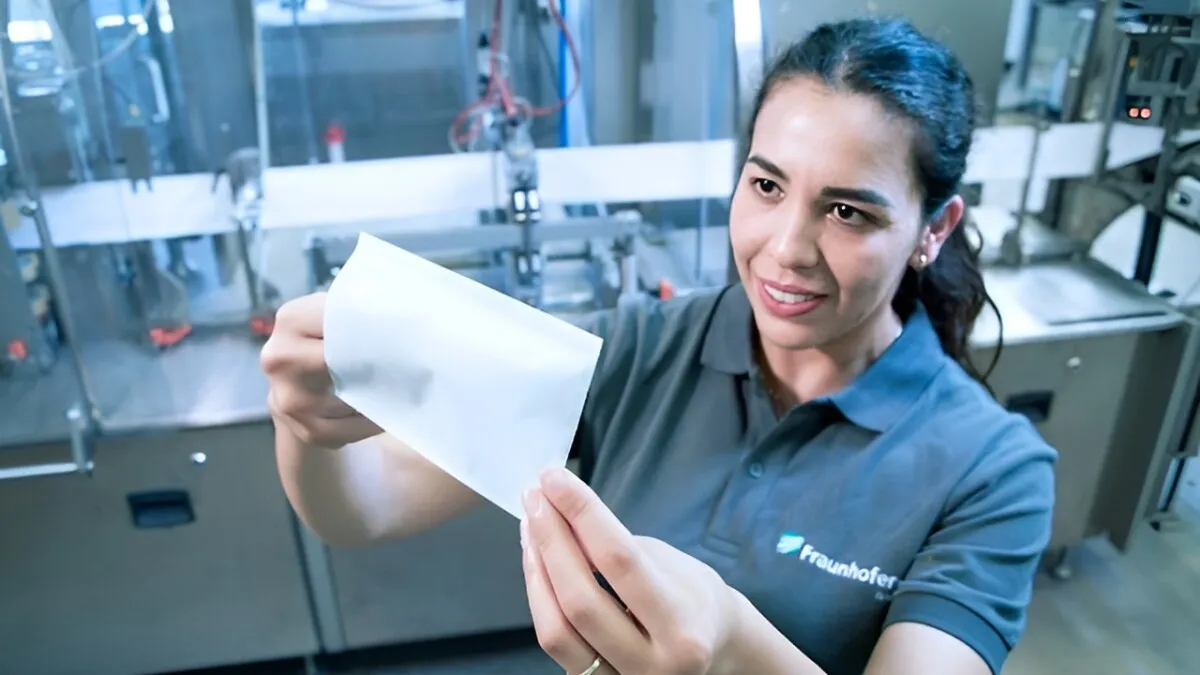
To fix this, researchers from Fraunhofer, a German research group, started the PAPURE project. Their goal is to create a laser-based heating method that seals paper without any adhesives or plastic.
We're a new kind of news feed.
Regular news is designed to drain you. We're a non-profit built to restore you. Every story we publish is scored for impact, progress, and hope.
Start Your News DetoxThe project uses a multi-step process. First, they analyze different types of paper to see how well they will react to heat. This involves checking the paper's natural components like lignin, hemicellulose, and cellulose. These parts affect how well the paper can stick to itself. They also look for inorganic compounds that might interfere with the laser treatment.
Robert Protz, a Fraunhofer research scientist, explained that too many inorganic compounds like talc and calcium carbonate can weaken the seals. He also noted that thicker papers work better for this type of sealing.
The main innovation involves using a CO laser to treat the paper surface. The laser quickly heats the paper, changing its natural components into short-chain compounds. This process creates a "fusible cleavage product" on the paper's surface. When heat and pressure are then applied, this product seals the paper.
Essentially, the laser turns parts of the paper itself into a glue-like substance that can be heat-sealed.
Volker Franke, another team member, said they are making their own adhesive from the paper's natural components. This replaces the synthetic materials or glues usually needed for heat sealing.
Strong Seals and Future Plans
Beyond the laser treatment, the researchers are also developing sealing systems for the treated paper. They are studying how material properties, laser settings, and the new reaction products affect the strength and leak-proofness of the seals.
Marek Hauptmann, the project head, said they measure mechanical stability under different loads. This helps them understand how laser and sealing parameters impact bond strength. Key sealing factors include time, temperature, pressure, and the shape of the sealing tool.
The results are promising. Researchers were able to lift 20 kilograms (44 pounds) with a seal only 2 centimeters (0.4 inches) long and 3 millimeters (1.18 inches) wide.
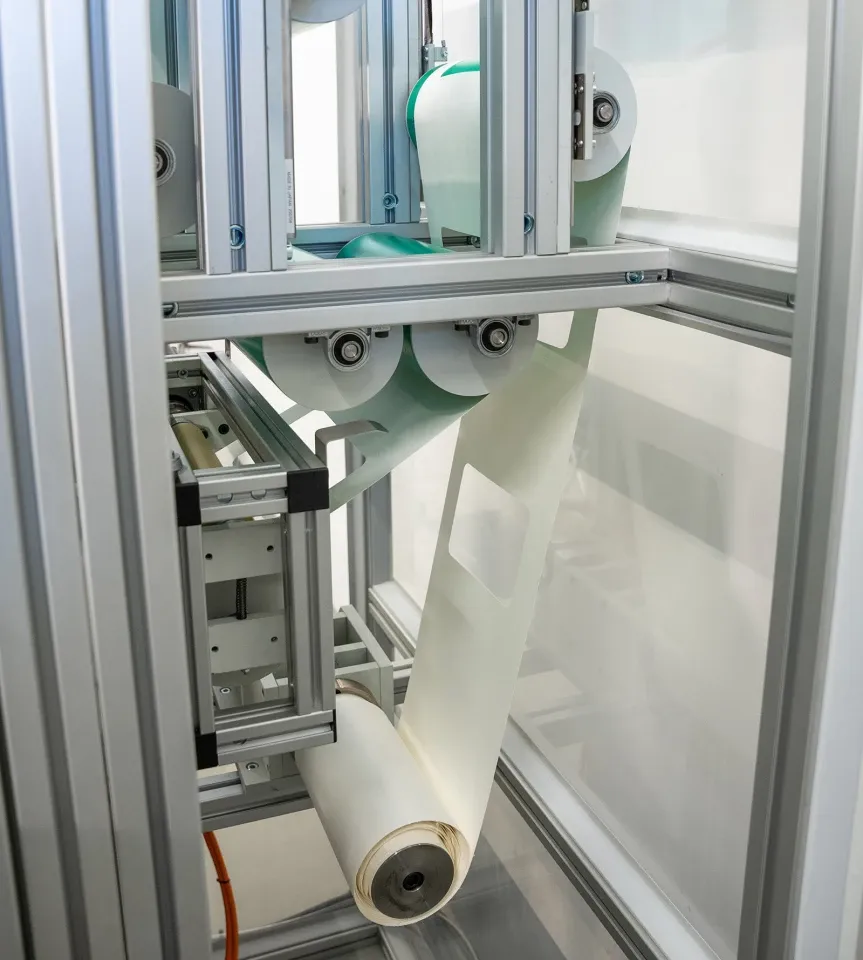
The team is also building a modular, lab-scale manufacturing unit. This unit combines laser treatment and sealing. It can make flat, four-sided bags, which are common in packaging. This unit could be added to existing production lines, making it easier for companies to switch to truly eco-friendly packaging.
Deep Dive & References: Sealing paper packaging without adhesives - Fraunhofer