Get this: you can now buy a DIY quantum computer. Seriously. It's called EduQit, and it lets you build your own tiny quantum machine right at home. It comes with a chip that has super-small circuits, a special fridge to keep things super cold, and all the electronics you need to control it. It's like a Lego set for advanced physics.
This is just one of the wild things happening in tech right now. CPUs, the brains of our computers, are making a huge comeback thanks to new AI. For a bit, they weren't the stars, but AI is changing so fast that everyone needs more of them. Chip companies are scrambling to keep up.

Clever New Tools
And here’s something pretty nuts: a computer language that checks math found a mistake in a major physics paper. This is the first time a tool like this has caught an error in physics, which makes you wonder what else it might find.
We're a new kind of news feed.
Regular news is designed to drain you. We're a non-profit built to restore you. Every story we publish is scored for impact, progress, and hope.
Start Your News DetoxScientists also created a new test for AI called ARC-AGI-3. The idea is to see if AI can really learn new things, not just remember stuff it's seen before. This could tell us how close AI is to thinking like humans.
On the health front, imagine an implant under your skin that delivers three different medicines exactly when you need them. Scientists just made a "living pharmacy" implant that does exactly that. It's packed with specially engineered cells that produce medicine, shielded from your body's immune system.

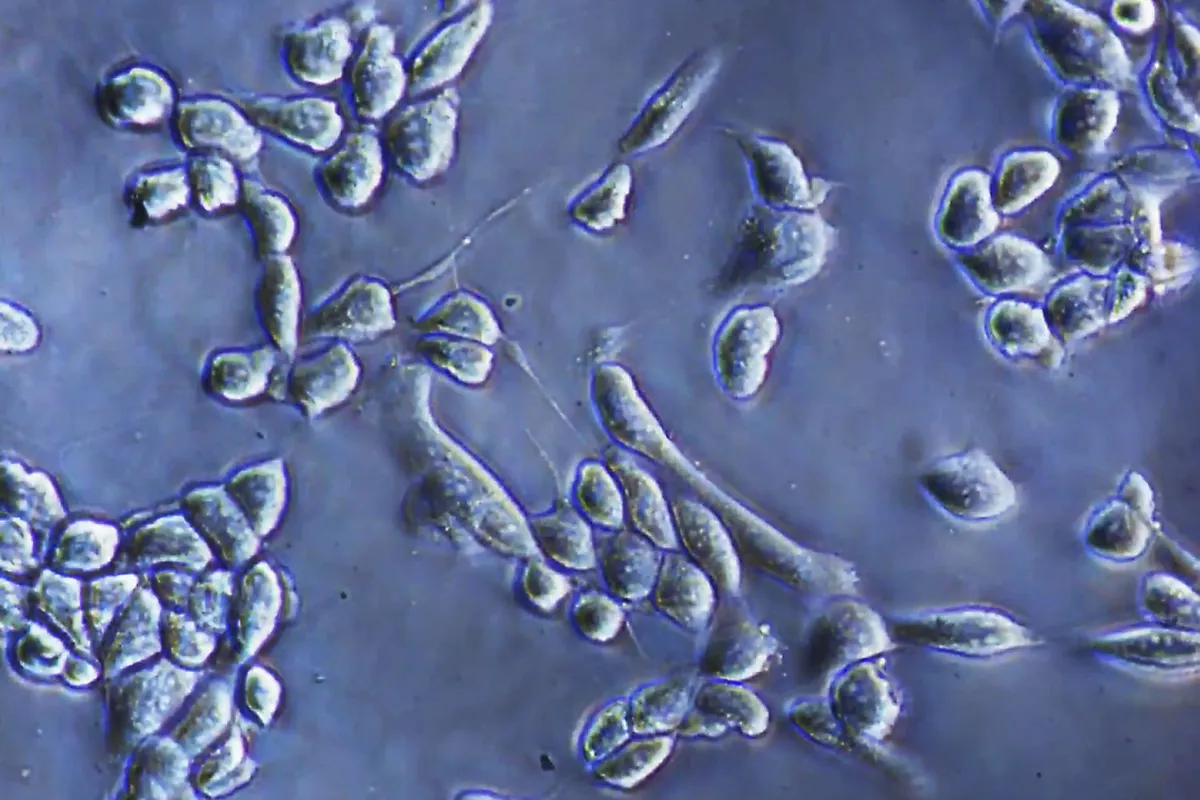
They even made "zombie" cells by putting genetic material into dead bacteria. Some of these dead bacteria then came back to life, grew, and divided normally. It’s the first time living, synthetic cells have been built from non-living parts. Wild, right?
Big Ideas, Big Questions
Some big thinkers are even looking at how to protect Earth from dangerous asteroids. Their idea? A spacecraft with a giant magnet, about 65 feet wide, powered by a nuclear reactor. It would orbit an asteroid and use its powerful magnet to nudge the space rock off course. It’s like a tractor beam, but for asteroids.
But not all new tech is without its quirks. A startup called R3 Bio wants to grow "organ sacks" – whole organ systems without brains – to replace animal testing. While that sounds promising, it brings up some big ethical questions about creating something that's almost human.

And while AI can give us instant answers, some experts worry it might make things too easy. Our brains actually learn better when we have to work a bit for the answer. So, while AI is super helpful, maybe don't let it do all your thinking for you. What if making things too easy actually makes us less smart?