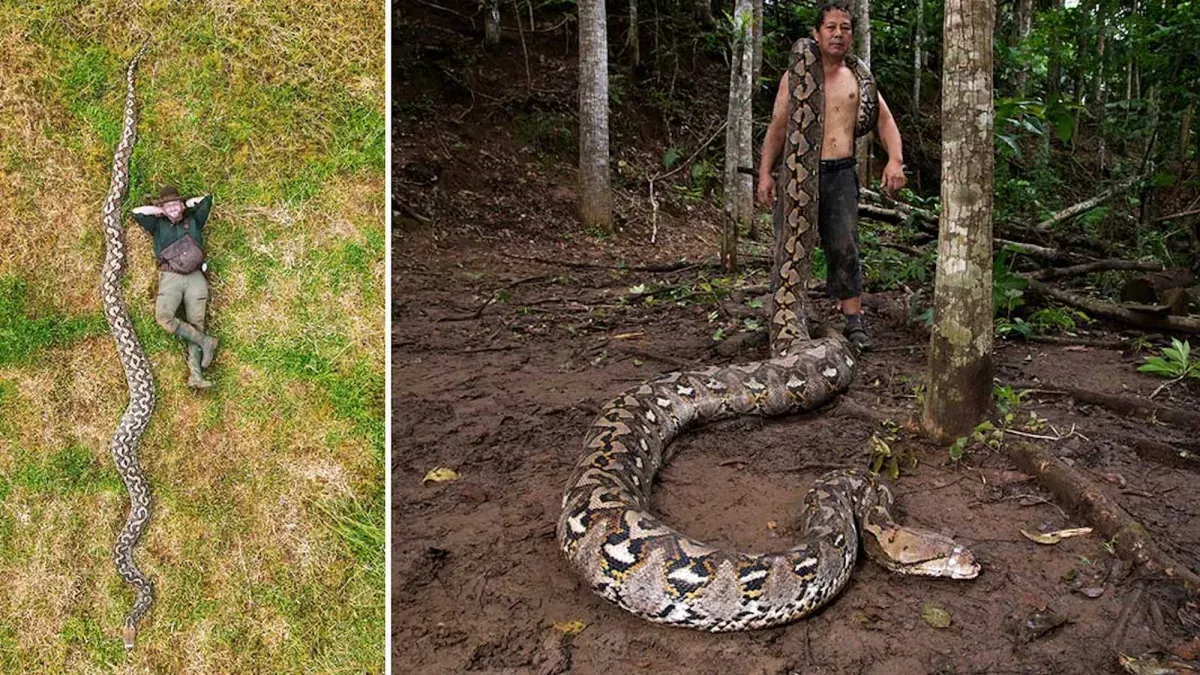
A female reticulated python in Indonesia has just claimed the Guinness World Record for longest snake ever measured in the wild. Nicknamed "Ibu Baron" (the Baroness), she stretches 23 feet and 8 inches from head to tail—longer than a regulation soccer goal by about 10 inches. That's enough to dethrone a Borneo python that held the title since 1999.
The measurement itself tells you something about the care this discovery required. When the team of conservationists, handlers, and photographers located the Baroness in late 2025 in South Sulawesi, Indonesia, they had to move fast. Reticulated pythons—even ones much smaller than this—are routinely killed by locals when spotted, seen as threats to livestock and families. The team measured her while fully awake, without sedation. It's a practical choice, but it likely understates her true length: snakes can stretch up to 10 percent longer when their muscles relax under anesthesia, meaning the Baroness could actually exceed 26 feet. The conservationists chose not to sedate her to avoid unnecessary risk.
At 213 pounds, she weighs roughly as much as a mature giant panda. Photographer Radu Frentiu, part of the measurement team, described the experience as quietly overwhelming: "Every coil of muscle is a powerhouse on that snake and it seemed to work individually. So it's the power of such a snake that silently impresses you the most, along with its ability to expand when swallowing enormous prey, right up to the size of a cow."
We're a new kind of news feed.
Regular news is designed to drain you. We're a non-profit built to restore you. Every story we publish is scored for impact, progress, and hope.
Start Your News DetoxWhy This Matters Beyond the Record
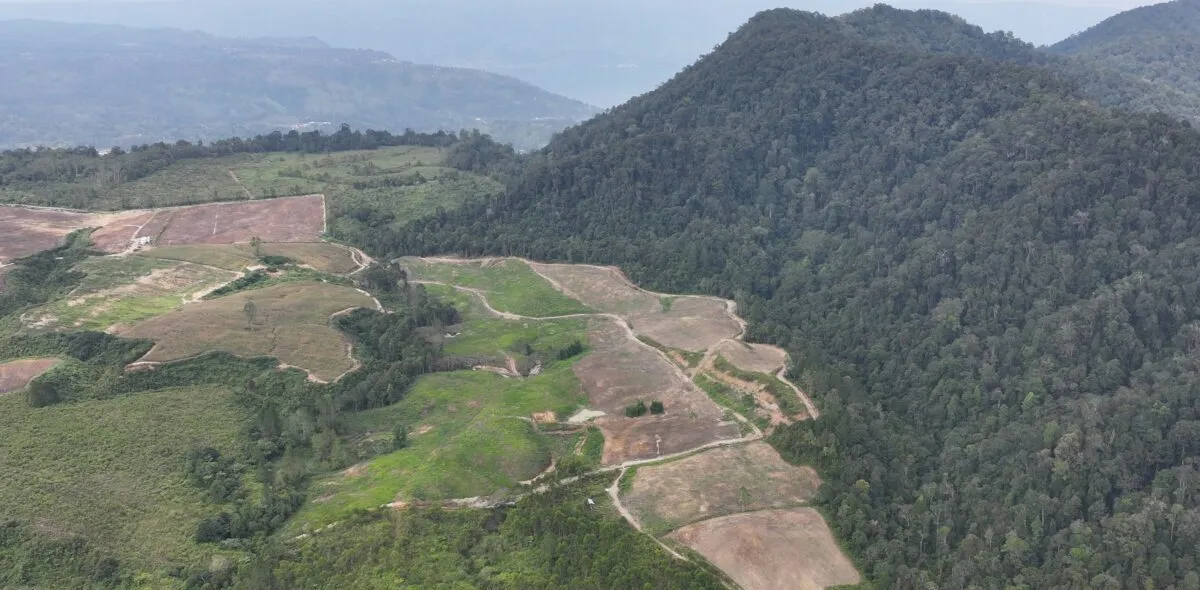
The Baroness's story reveals a quieter crisis in Indonesian ecosystems. Reticulated pythons aren't naturally drawn to human settlements, but encounters are rising as their habitats shrink and traditional prey—wild cattle and pigs—disappear. Simultaneously, poaching for the illegal wildlife trade continues to pressure wild populations. The result is a squeeze: pythons move closer to people, people see them as threats, and snakes die.
What makes this record-breaker significant isn't just her size. It's that she survived long enough to be documented. Local conservationist Budi Purwanto, who now provides sanctuary for the Baroness on his estate alongside other rescued snakes, frames the deeper hope: "Our hope is for pythons and other giant snakes to no longer be seen as vermin, but rather as a symbol of the islands and necessary animals to the ecosystem."
That shift—from pest to symbol—is what actually matters. The Baroness becomes a living argument for coexistence, proof that these snakes can exist in human-dominated landscapes if we choose to protect them rather than eliminate them. She's safe now, but her record is a reminder that the rarest, largest creatures often survive by luck, timing, and the commitment of a few people willing to act before it's too late.