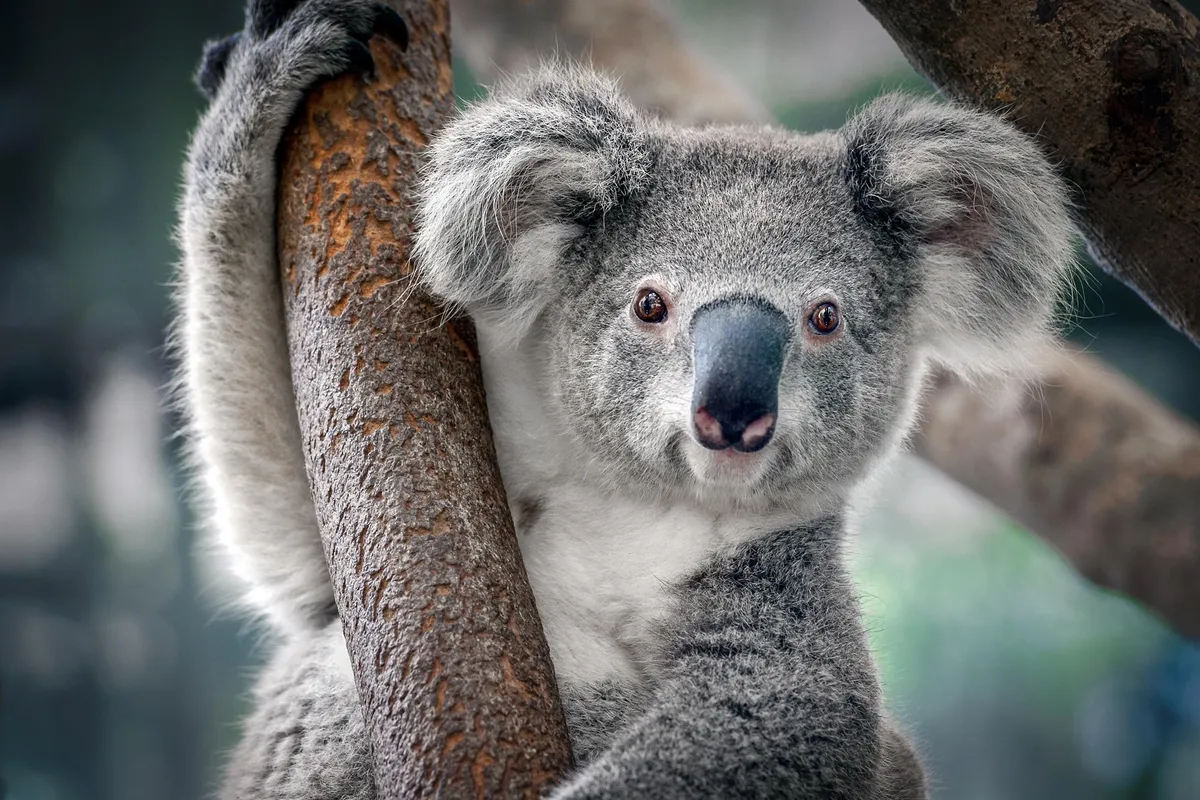
Koalas nearly wrote themselves out of existence. Their populations crashed so severely that genetic diversity plummeted, leaving them vulnerable to disease, infertility, and environmental shocks. It looked like a one-way ticket to extinction. But new research shows something unexpected: as koala numbers rebound across Australia, their DNA is actually reshuffling itself back toward health.
When a species population collapses, it's like shuffling a deck of cards and then throwing most of them away. The remaining cards get played over and over—which is what happens genetically during a bottleneck. Inbreeding intensifies. Harmful mutations accumulate. Fertility drops. The population gets trapped in what scientists call an "extinction vortex," where shrinking numbers and declining genetic fitness feed each other in a downward spiral.
But here's what the koalas are teaching us: that damage isn't always permanent. A team led by Collin Ahrens at the University of Sydney analyzed whole-genome data from 418 koalas across 27 populations and found something hopeful. As koala numbers have grown, a process called recombination has kicked into overdrive. Recombination is essentially DNA shuffling—it mixes existing genetic material into new combinations, creating diversity where there was none before. Think of it like having a smaller hand of cards but learning to play them in unexpected ways.
We're a new kind of news feed.
Regular news is designed to drain you. We're a non-profit built to restore you. Every story we publish is scored for impact, progress, and hope.
Start Your News DetoxThe koalas still carry the scars of their bottleneck. Their overall genetic diversity remains lower than it would be in a healthy, stable population. But the trajectory has shifted. The researchers found clear evidence that genetic recovery is underway, driven largely by the sheer momentum of population growth. Larger populations mean more opportunities for genes to recombine, more chances for beneficial mutations to appear and spread. It's slow work, but it's work.
What makes this finding significant beyond koalas is what it suggests about conservation strategy. For decades, the focus has been on preventing extinction—keeping populations from disappearing entirely. But this research hints at something equally important: how we bring species back matters. Rapid population recovery doesn't just increase numbers on a spreadsheet. It actively restores the genetic health that makes long-term survival possible. It's the difference between saving a species and giving it a future.
Koalas still face enormous pressures. Habitat loss, disease, and climate change remain serious threats. But their genetic story is no longer one of inevitable decline. It's a reminder that nature, given space and time to recover, can heal itself in ways we're only beginning to understand.