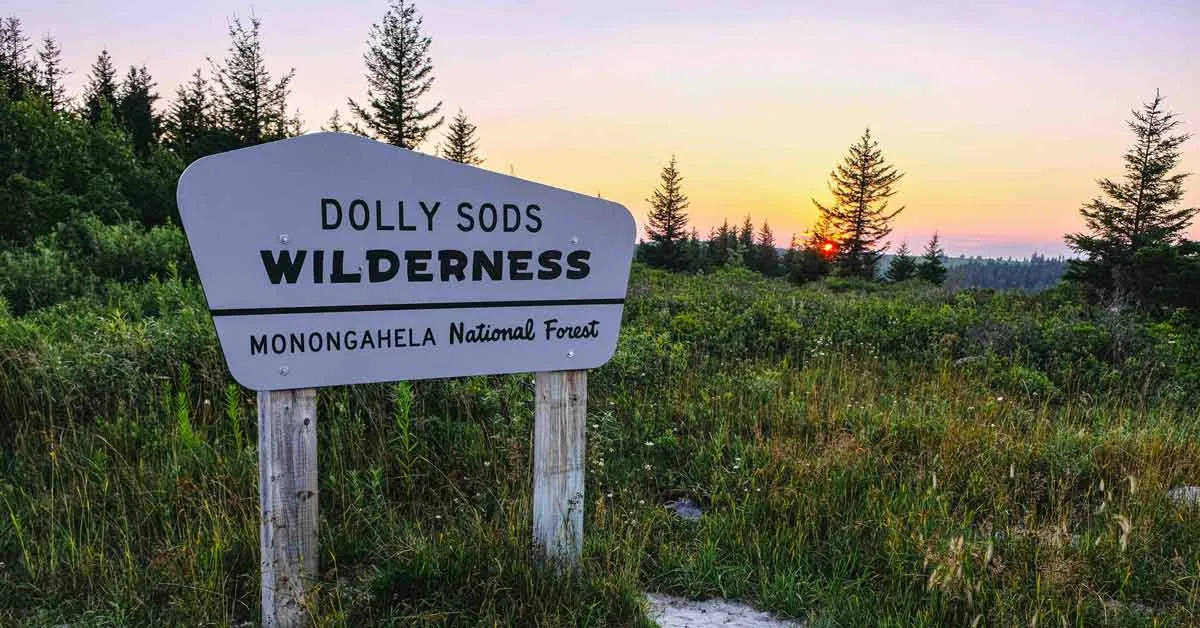
More than 110 million acres of U.S. land sit protected in federal wilderness areas — an expanse larger than California. For decades, the mandate has been clear: leave them alone. The 1964 Wilderness Act explicitly required these places remain "untrammeled by man." But that philosophy is colliding with two stubborn realities: Indigenous peoples shaped these landscapes for millennia, and climate change is rewriting the ecological rules these protections were designed to preserve.
The tension is becoming impossible to ignore. In California's Sequoia-Kings Canyon Wilderness, the 2020 Castle Fire killed between 7,500 and 10,600 giant sequoias — roughly 10 to 14 percent of all sequoias in the Sierra Nevada. These ancient trees historically survived because fire was frequent and manageable. Now, after a century of suppression, fires arrive with catastrophic intensity. In New Mexico's Dome Wilderness, repeated intense blazes have killed entire forests, converting them to shrubland. Models suggest up to 30 percent of forested landscapes in the Southwest face this transformation.
The irony cuts deep: by doing nothing, we may be allowing wilderness to become something entirely different.
We're a new kind of news feed.
Regular news is designed to drain you. We're a non-profit built to restore you. Every story we publish is scored for impact, progress, and hope.
Start Your News DetoxWhat the land remembers
When the Anishinaabe people traveled waterways through what is now Minnesota's Boundary Waters Canoe Area Wilderness, they burned resting areas and campsites regularly. This wasn't destruction — it was maintenance. Those frequent, low-intensity fires created the open red pine forests that define the landscape today. Tree-ring records and archaeological evidence confirm it. Indigenous peoples across North America actively shaped their environments for thousands of years: Northwest tribes in Washington burned huckleberry fields to increase yields. Southwestern peoples selectively bred agave plants. Alaskan Dena'ina marked trail networks by scarring tree bark.
As Indigenous ecologist Robin Wall Kimmerer observed, "Every landscape reflects the history and culture of the people who inhabit it." What looks wild to modern eyes often reflects centuries of deliberate stewardship.
This matters now because many wilderness areas were and remain ancestral homelands. The Confederated Salish and Kootenai Tribes, for instance, have deep cultural ties to whitebark pines in western high-elevation wilderness. The trees' seeds were a traditional food source, and the species is now threatened by climate change, invasive fungi, and beetle outbreaks. The tribes have developed a restoration plan for their reservation that includes active tending — prescribed fire and replanting — practices that would likely be prohibited in federal wilderness.
The management question
Some land managers are beginning to shift. In 2024, the National Park Service removed a 2-mile fence at Tomales Point in California's Phillip Burton Wilderness after tribal pressure, allowing tule elk to roam freely again and adding interpretive programs rooted in traditional knowledge. A 2021 agreement gave the Federated Indians of Graton Rancheria a voice in managing native elk populations there.
These aren't isolated experiments. Federal wilderness managers across the country are working to include tribes in stewardship decisions. Yet the philosophical barrier remains substantial. Some wilderness advocates argue that prescribed burning by federal managers constitutes "imposing their will on Wilderness" rather than letting nature shape the area — even though fire suppression itself is a human intervention that's widely accepted.
The Wilderness Act contains two potentially conflicting directives: keep lands "untrammeled by man" while also "preserv[ing] natural conditions." In a rapidly changing climate, those goals may no longer align. Doing nothing is itself a choice — one that increasingly leads to catastrophic fires, species loss, and ecosystems transformed beyond recognition.
The question facing land managers isn't whether to intervene, but how: through partnerships that honor Indigenous knowledge and restore historical fire regimes, or through continued hands-off policies that allow unprecedented ecological disruption. Several federal wilderness areas are testing the first path. Whether that approach spreads may determine whether these protected lands remain recognizable to future generations.