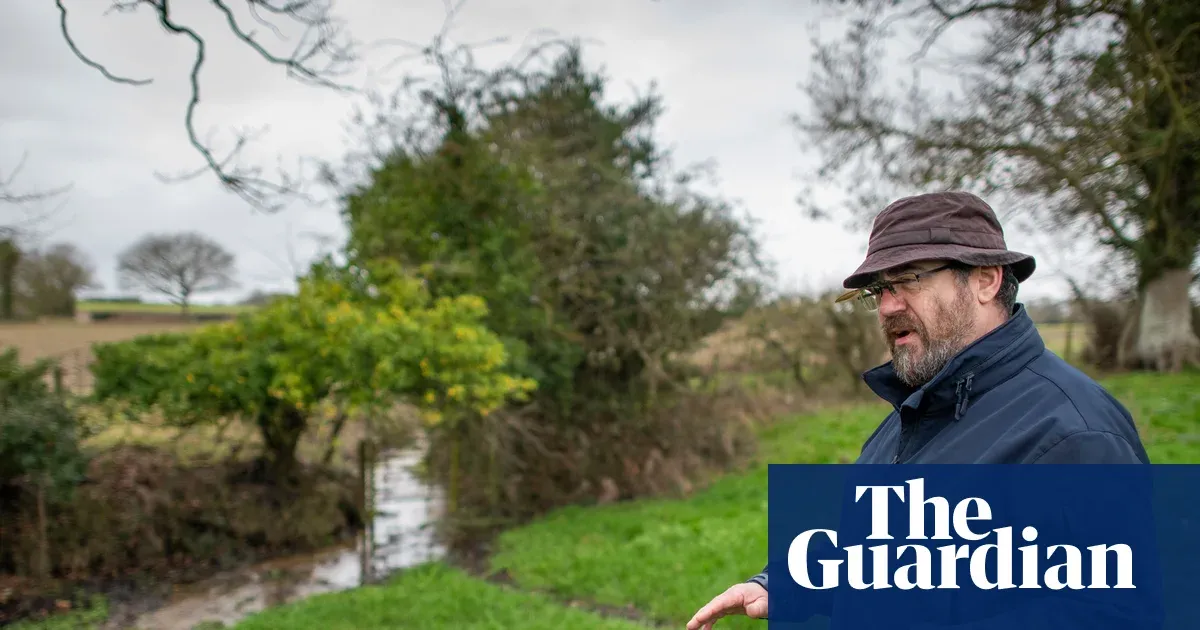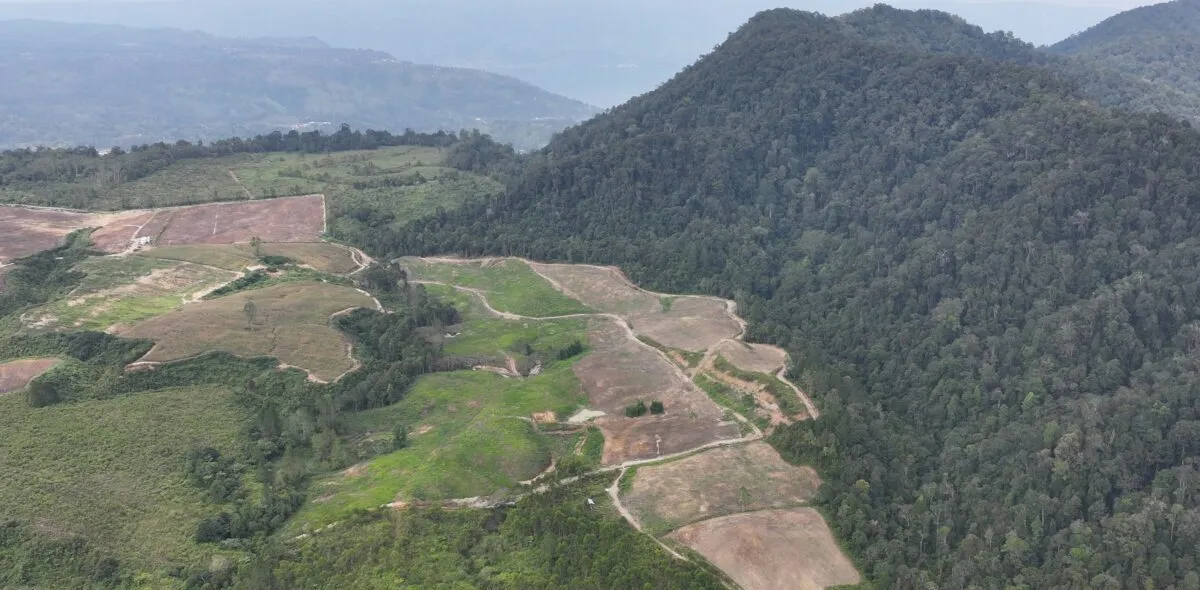
Sahala Pasaribu walks across land his family hasn't managed in over 30 years. A pulpwood company controlled it. Now, after the government revoked the permit in January, he's replanting corn and vegetables on soil his father knew. "We feel free to manage our own land without the intimidation we often faced," he says.
This moment matters because it represents something rare: a government actually taking back what it had given away to corporations. In January 2026, Indonesia revoked forest permits for 28 companies, citing environmental violations linked to deadly floods and landslides that killed dozens in November 2025. For Indigenous communities across North Sumatra and beyond, it felt like a door opening.
Sahala's village of Natinggir is one of dozens now hoping to reclaim customary lands. His family plans to restore what they call a sacred forest alongside the crops already growing. He inherited this responsibility from his father Tomu, who died last year watching the land remain out of reach. Now there's work to do.
We're a new kind of news feed.
Regular news is designed to drain you. We're a non-profit built to restore you. Every story we publish is scored for impact, progress, and hope.
Start Your News DetoxThe Uncertainty That Follows
But here's where the story gets complicated. The government hasn't actually handed the land back to communities yet. Instead, state-owned companies under an agency called Danantara will manage it. Some of the revoked companies have already signaled they'll appeal. And the communities asking for clarity on whether they can legally reclaim their customary lands? They're still waiting for answers.
This reveals a pattern in land restitution globally: the political will to take permits away doesn't always match the legal architecture to return land to its original stewards. Indonesia has been trying to reform its approach to Indigenous land rights for years, but implementation lags behind policy. What looks like a win—28 permits revoked—can mask a murkier reality where communities end up in bureaucratic limbo.
There's also a timing element worth noting. The permit revocations came after environmental disasters killed people. That's tragic, but it also means the government acted under pressure rather than principle. That matters for what happens next. Will these lands stay protected once the political heat fades, or will new permits quietly get issued to different companies?
For Sahala and families like his, the next months will determine whether walking across their own land becomes permanent, or whether this opening closes again.